
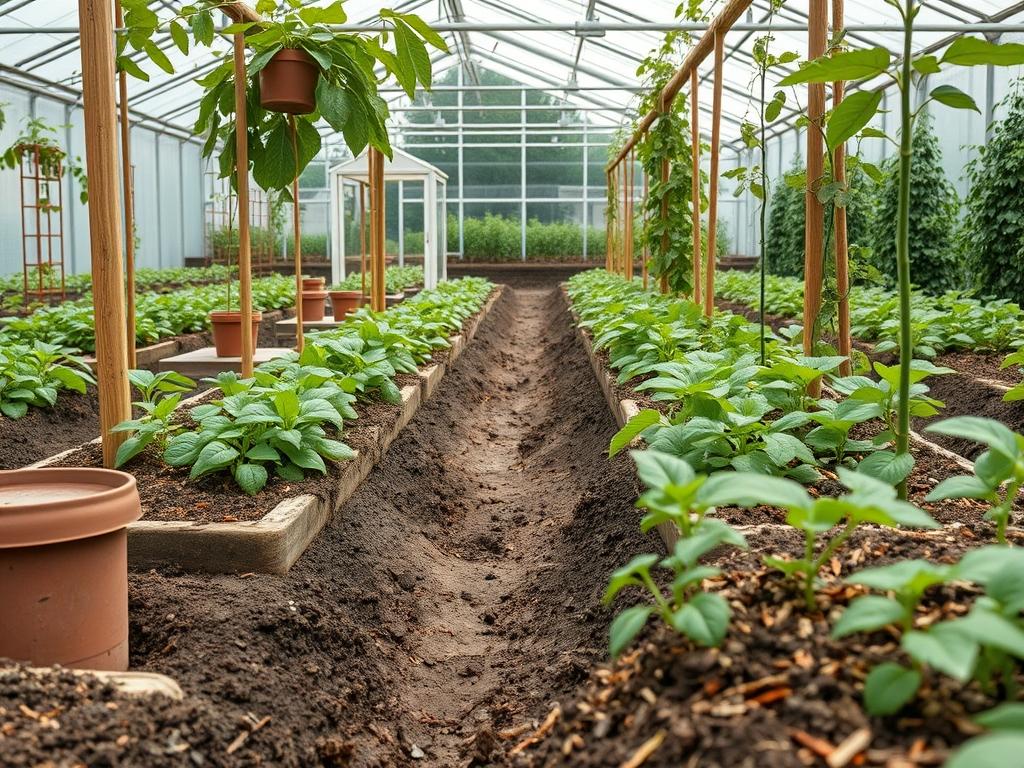
Integrating vertical structures into a residential landscape serves as a sophisticated method to maximize square footage while introducing essential architectural interest. When a designer introduces a Bean Trellis into a master plan, the goal is often to create a lush, green screen that provides privacy and biological diversity. However, professionals frequently encounter the biological challenge of ants in bean trellises, an issue that stems from a symbiotic relationship with leaf-sucking pests like aphids. In a professional landscape, pests are not merely a gardening nuisance; they represent a failure in the microclimate management of the outdoor living space. Addressing these insects requires an integrated approach that combines structural design, proper irrigation, and ecological balance to ensure the garden remains a functional asset rather than a maintenance liability.
The presence of ants on vertical structures usually suggests that the plants are under stress or that the surrounding environment is overly hospitable to colony scouting. From a landscaping perspective, a trellis must be sited where air circulation is optimal. Stagnant air pockets in the corners of a yard or against a solid fence create the humid conditions that leaf pests thrive in, subsequently attracting ants that farm these pests for honeydew. By understanding the intersection of hardscaping and horticulture, we can design environments that naturally discourage these infestations. High-end outdoor environments focus on the health of the Soil Substrate and the durability of the Hardscape Materials to ensure that every element, from the Cedar Posts to the Drip Emitters, contributes to a resilient ecosystem.
Landscape Design Principles
Effective landscape design relies on the core concepts of symmetry, focal points, and elevation layers. When planning for vertical growth, the Bean Trellis should act as a structural anchor that draws the eye upward, providing a transition between low-lying groundcovers and the overhead canopy of specimen trees. Symmetry is achieved by mirroring these structures across a central axis, such as a Flagstone Path or a formal lawn. This balance is not only aesthetic but also functional; it allows for even light distribution and access for maintenance.
Elevation layers involve placing plants in a hierarchy that mimics natural forest edges. At the base of the trellis, designers should specify mid-level shrubs and low-profile perennials to hide the utilitarian base of the climbing structure. This layering does more than create visual depth. It protects the soil from direct solar radiation, which prevents the rapid drying that leads to plant stress and pest vulnerability. Furthermore, the inclusion of well-planned walkways, measuring at least 36 inches in width, ensures that homeowners can inspect their plants for signs of ants or aphids without compacting the soil near the root zones. Compaction is a primary driver of poor drainage, leading to the weak plant growth that attracts leaf pests.
Irrigation planning is perhaps the most critical principle when managing vertical edible gardens. Overhead watering should be avoided at all costs in a professional design. Moisture on the foliage encourages fungal pathogens and provides the damp environment favored by many leaf pests. Instead, a Drip Irrigation System should be installed at the base of the trellis, using 0.5 GPH Emitters to deliver water directly to the root zone. This precision irrigation keeps the foliage dry and the plant turgid, making it less susceptible to the piercing mouthparts of insects that ants are so keen to protect.
Plant and Material Selection
Selecting the right combination of flora and structural materials is the difference between a thriving garden and a failing one. The following table outlines the specifications for a resilient vertical garden environment.
| Plant Type | Sun Exposure | Soil Needs | Water Demand | Growth Speed | Maintenance Level |
| :— | :— | :— | :— | :— | :— |
| Phaseolus vulgaris (Pole Bean) | Full Sun | Loamy, Well-Drained | Moderate | Fast | Moderate |
| Tagetes (Marigold) | Full Sun | Adaptable | Low | Medium | Low |
| Lavandula (Lavender) | Full Sun | Sandy, Alkaline | Low | Slow | Medium |
| Rosmarinus officinalis (Rosemary) | Full Sun | Well-Drained | Low | Medium | Low |
| Nepeta (Catnip) | Full or Part Sun | Average | Moderate | Fast | Low |
For the structural components, use Rot-Resistant Cedar or Powder-Coated Steel for the trellis itself. A sturdy frame prevents swaying in high winds, which can cause micro-tears in the plant stems. These tears release sap that acts as a beacon for scouting ants and other pests.
Implementation Strategy
The implementation of a professional garden layout begins with precise grading. The area around the trellis must be graded at a 2 percent slope away from any residential structures and the base of the trellis itself to prevent water logging. Once the site is leveled, the layout of the Hardscaping elements should be marked using Surveyor’s Tape or Marking Paint.
For the trellis installation, dig post holes to a depth of 24 inches for structures taller than 6 feet. Fill the bottom of the holes with 3 inches of Crushed Stone to facilitate drainage and prevent the wooden posts from sitting in water. After the posts are secured with Concrete or Packed Aggregate, the planting bed should be prepared. Incorporate 3 inches of Organic Compost into the top 8 inches of the native soil to improve its structure.
Edging is a vital step that is often overlooked. Use Steel Edging or Brick Pavers to create a clear delineate between the garden bed and the surrounding lawn. This barrier serves a dual purpose: it keeps invasive turf grass out of the bean bed and provides a clean line for applying Diatomaceous Earth if an ant infestation occurs. Finally, apply a 3-inch layer of Hardwood Mulch or Pine Bark Nuggets across the bed. Mulch regulates soil temperature and provides a habitat for beneficial predatory insects like ground beetles, which prey on the larvae of leaf pests.
Common Landscaping Failures
One of the most frequent failures in garden planning is root overcrowding. When designers place too many plants in a confined space to achieve an instant full look, they compromise the long term health of the landscape. Overcrowding leads to poor air circulation, which is a primary catalyst for the leaf pests that attract ants. Plants should be spaced at least 4 to 6 inches apart at the base of the trellis to allow each vine to develop a robust vascular system.
Soil compaction is another significant issue, particularly in new construction where heavy machinery has been used. Compacted soil lacks the pore space necessary for oxygen to reach the roots. This leads to anaerobic conditions and root rot. When plants are struggling to breathe at the root level, they produce stress signals that pests can detect from a distance. Professionals must use an Augar or Tiller to break up compacted layers before planting.
Irrigation inefficiency also ranks high among landscaping failures. Systems that are not zoned correctly may underwater the deep roots of the bean plants while overwatering the companion perennials. This imbalance creates a patchwork of plant health that is difficult to manage. Every professional plan should include a Smart Controller that adjusts watering schedules based on local weather data, ensuring the garden receives exactly what it needs to stay resilient against ants in bean trellises and other environmental stressors.
Seasonal Maintenance
Landscape management is a year round commitment that changes with the solar cycle. In the spring, the focus is on soil preparation and structural integrity. Inspect the Trellis for any winter damage and ensure that the Drip Lines are free of clogs. As the weather warms, monitor the new growth of Pole Beans for the first signs of aphids.
Summer maintenance involves vigorous monitoring and pruning. Remove any yellowing leaves immediately, as these are the preferred hiding spots for leaf pests. If you notice ants trailing up the Cedar Posts, application of a Sticky Barrier around the base of the trunk can prevent them from reaching the foliage. This breaks the cycle of ants protecting aphids from natural predators like ladybugs.
During the autumn, clear away all spent vegetation. This is crucial for preventing pests from overwintering in the debris. If the beans suffered from a heavy infestation, do not compost the vines; instead, dispose of them to ensure the cycle is broken. Winter is the time for hardscape care. Seal any wooden elements with a Non-Toxic Wood Sealer and check the tension on any Wire Trellising to ensure it can handle the weight of next year’s crop.
Professional Landscaping FAQ
How can I stop ants from climbing my trellises naturally?
Apply a narrow band of Sticky Resin or Horticultural Glue around the base of the trellis supports. This creates a physical barrier that ants cannot cross, effectively cutting off their access to the aphids living on the bean leaves.
Do certain plants naturally repel ants in a landscape?
Yes, incorporating Mentha (Mint) or Chrysanthemums near the base of the trellis can discourage ants. The strong aromatic oils in these plants interfere with the pheromone trails that ants use to communicate and navigate through the garden beds.
What is the best mulch to prevent pest nesting?
Cedar Mulch is highly effective because it contains natural oils that repel many insects. Ensure it is applied at a depth of 3 inches but kept a few inches away from the plant stems to prevent moisture rot.
How does irrigation affect ant populations?
Leaky pipes or overwatering creates the damp, soft soil that ants prefer for building nests. By using a precisely calibrated Drip System, you keep the surrounding soil dry and less attractive for long term colonial establishment.
Can structural design reduce leaf pest issues?
Absolutely. Designing for maximum Solar Exposure and Airflow reduces the humidity that aphids and whiteflies require. A trellis positioned in an open, breezy area will always have fewer pest problems than one tucked into a stagnant corner.