
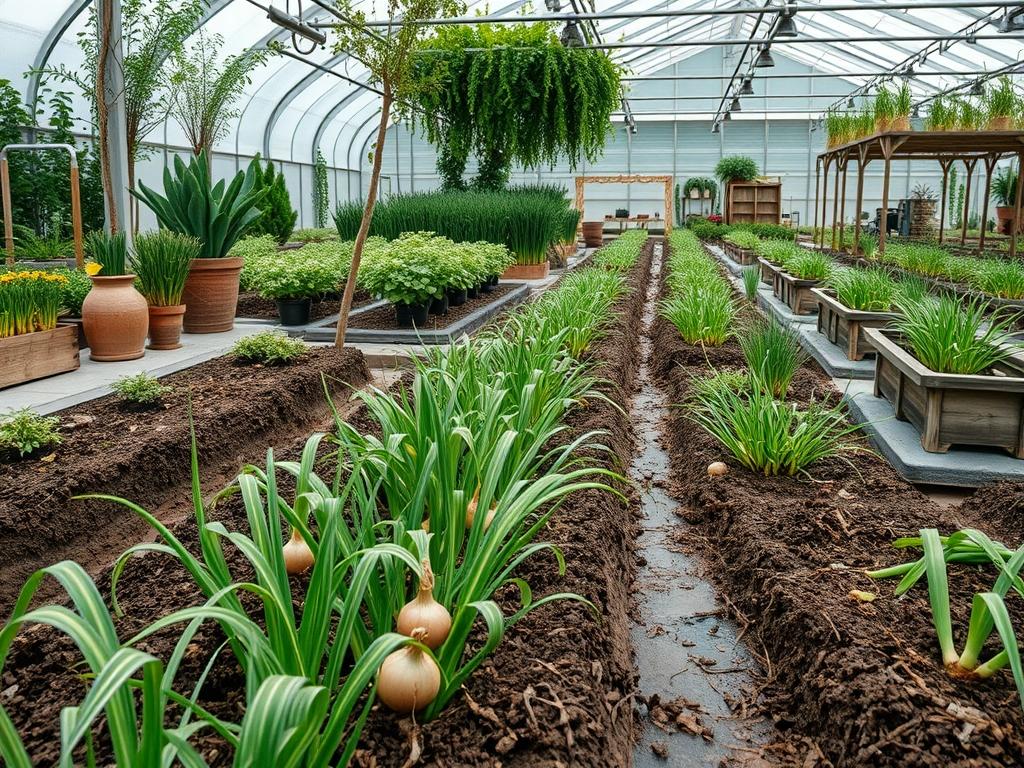
Designing a cohesive outdoor environment requires a delicate balance between aesthetic appeal and biological reality. While we often focus on the structural integrity of retaining walls or the sweeping curves of a flagstone path, the health of the soil remains the primary foundation for any successful landscape. In professional garden planning, vegetable beds are increasingly integrated into high-end residential designs, blending the utility of an edible garden with the elegance of ornamental borders. A peculiar phenomenon sometimes observed in these spaces involves the presence of ants in onion beds. Architects and consultants often select onions for their natural ability to repel various insects, making the sight of an active ant colony within these pungent rows a significant point of interest for landscape consultants. If you see ants targeting your Allium crops, it usually suggests an underlying issue involving moisture levels, soil structure, or the presence of secondary pests such as aphids.
The integration of vegetable gardens into luxury landscapes demands more than just aesthetic placement. It requires an understanding of how different species interact with the local microclimate and various soil types. Ants in onion beds are rare because the sulfurous compounds found in Onions, Garlic, and Leeks act as a natural deterrent. When an infestation occurs, it is frequently a symptom of dry, neglected soil or a parasitic relationship where ants are farming aphids on the green stalks. From a consulting perspective, this issue must be addressed by evaluating the entire irrigation and drainage system to ensure that the landscape maintains its functional goals and high-end curb appeal. A well-managed garden should be a self-sustaining ecosystem where pest imbalances are corrected through proper site preparation and plant selection rather than reactive chemical treatments.
Landscape Design Principles
Successful landscape design relies on the core principles of symmetry, focal points, and elevation layers. When planning for Ants in Onion Beds prevention and general garden health, we must consider how these principles affect the movement of water and insects. Symmetry is not merely about visual mirroring; it involves the balanced distribution of plant families to prevent the spread of soil-borne pathogens. A focal point, perhaps a large Weathered Stone Planter or a Tiered Fountain, should be supported by a ground-plane design that guides eye movement while serving a functional purpose for drainage.
Elevation layers allow a designer to create depth and visual interest. By utilizing Raised Beds at varying heights, such as 18-inch and 24-inch timber or masonry containers, we can control the soil environment more precisely. These elevated structures prevent soil compaction and provide a barrier against certain ground-crawling insects. Furthermore, irrigation planning must be integrated early in the design phase. A Drip Irrigation System ensures that water reaches the root zone directly, reducing the surface moisture that can attract unwanted pests if left to pool. Walkways made of Flagstone or Decomposed Granite should provide a clear boundary between the wilder elements of the garden and the manicured lawn, establishing a visual balance that underscores a sense of professional craftsmanship.
Plant and Material Selection
The following table outlines the essential plants and materials for a resilient landscape that incorporates edible elements alongside ornamental features.
| Plant or Material | Sun Exposure | Soil Needs | Water Demand | Growth Speed | Maintenance Level |
| :— | :— | :— | :— | :— | :— |
| Yellow Onion | Full Sun | Well-drained Loam | Moderate | Medium | Medium |
| French Lavender | Full Sun | Sandy/Alkaline | Low | Fast | Low |
| Rosemary | Full Sun | Gritty/Dry | Low | Moderate | Low |
| River Rock | N/A | Subgrade Foundation | None | N/A | Very Low |
| Cedar Mulch | N/A | Top Dressing | N/A | N/A | High |
| Marigolds | Full Sun | Nutrient Rich | Moderate | Fast | Low |
The selection of Cedar Mulch is particularly effective in high-end projects because it contains natural oils that repel a wide variety of insects, including the ants occasionally found in onion beds. Pairing Onions with Marigolds or Lavender creates a multi-layered defense system that utilizes natural scents to discourage pest colonization. When selecting hardscape materials, River Rock serves as an excellent drainage medium around the perimeter of elevated beds, preventing water from stagnating and attracting colonies.
Implementation Strategy
Implementing a structured backyard layout requires careful attention to the initial site conditions. The first step involves grading the land to ensure a 2-percent slope away from any permanent structures. This prevents hydrostatic pressure from building up against foundation walls and ensures that garden beds do not become waterlogged. For the specific layout of an edible-ornamental hybrid garden, we start by marking the boundaries using Marking Paint or Masonry String.
Once the layout is verified, we install the edging. Steel Edging or Concrete Curbing provides a clean, permanent line that prevents turf grass from encroaching on the garden beds. After the boundaries are set, we focus on the soil. A mix of Organic Compost, Peat Moss, and Coarse Sand provides the ideal drainage required for Allium species. We then lay a Drip Irrigation Line with emitters spaced every 6-inches to ensure uniform moisture.
The final stage of implementation is the application of mulch. A 3-inch layer of high-quality organic mulch should be spread across the surface, keeping it away from the base of the plant stems to prevent rot. This layer regulates soil temperature and moisture, which is critical in preventing the dry, powdery soil conditions that often attract ants to onion beds. For hardscaping elements like a Paver Patio or a Retaining Wall, we use a Class-2 Permeable Base to ensure that rain filters naturally into the groundwater rather than running off and causing erosion.
Common Landscaping Failures
The most common failure in modern landscaping is poor drainage planning. When water does not exit the site efficiently, it leads to soil compaction and root rot. In the context of an edible garden, poor drainage creates an environment where Ants in Onion Beds are more likely to appear because the plants become stressed and more susceptible to aphid infestations. Overlooking the importance of grading leads to “wet feet” for most popular landscape plants, causing a premature decline in curb appeal.
Root overcrowding is another frequent mistake. Designers often plant for immediate “fullness” without considering the mature size of the species. When Onions or other perennials are spaced too closely, airflow is restricted, leading to fungal diseases. Furthermore, improper spacing makes it difficult to maintain the beds, as tools like a Hand Trowel or a Scuffle Hoe cannot be used without damaging the root systems. Finally, irrigation inefficiency, such as using overhead sprinklers in the evening, creates an environment where pests and diseases thrive. Professional systems should always favor precision and timing to maximize plant health.
Seasonal Maintenance
Landscape management is an ongoing process that changes with the cycles of the year. In the spring, the focus should be on soil testing and the application of a Slow-Release Fertilizer. This is the time to check the irrigation system for leaks or clogged emitters before the peak heat of summer arrives. For those managing Ants in Onion Beds, a spring application of Diatomaceous Earth around the perimeter can provide a non-toxic barrier that protects young seedlings.
During the summer month, the priority shifts to moisture management and weed control. Regular inspections of the undersides of leaves will help catch aphid outbreaks early, which in turn reduces the likelihood of ants moving into the beds. In autumn, the landscape should be prepared for dormancy. This involves removing finished vegetable plants, including all Onion debris, to prevent pests from overwintering in the soil. Adding a fresh layer of Compost during this time helps replenish nutrients. In winter, maintenance involves dormant pruning of shrubs and ensuring that hardscape elements like Stone Walkways are clear of debris to prevent moss growth and slipping hazards.
Professional Landscaping FAQ
Why are ants attracted to my onion garden?
Ants are usually drawn to the honeydew produced by aphids. If aphids are present on the onion stalks, ants will colonize the area to farm them for food. It may also indicate the soil is excessively dry and provides stable nesting.
Can ants damage the onion bulbs?
Generally, ants do not eat the bulbs themselves. However, their tunneling can disturb the root systems and cause the soil to dry out too quickly. This stress can lead to stunted growth or a lower-quality harvest at the end of the season.
What is the best way to prevent ants without using harsh chemicals?
Improving soil moisture and using Cedar Mulch are effective deterrents. You can also plant strong-smelling herbs like Peppermint or Tansy nearby. These plants work alongside the onions to create a scent barrier that discourages ant scouts from staying.
How does drainage affect pest presence in the landscape?
Poor drainage leads to plant stress, which makes them targets for sap-sucking insects. Conversely, extremely dry pockets in poorly irrigated soil provide the perfect structure for ant mounds. A consistent, well-regulated moisture level is the best prevention against most garden pests.
Should I remove the ant mounds immediately?
If you see a large mound, you should address it. Gently disturbing the mound and applying a mixture of water and Neem Oil can encourage the colony to relocate. Ensure you also treat any underlying aphid issues to remove the ants’ primary food source.