
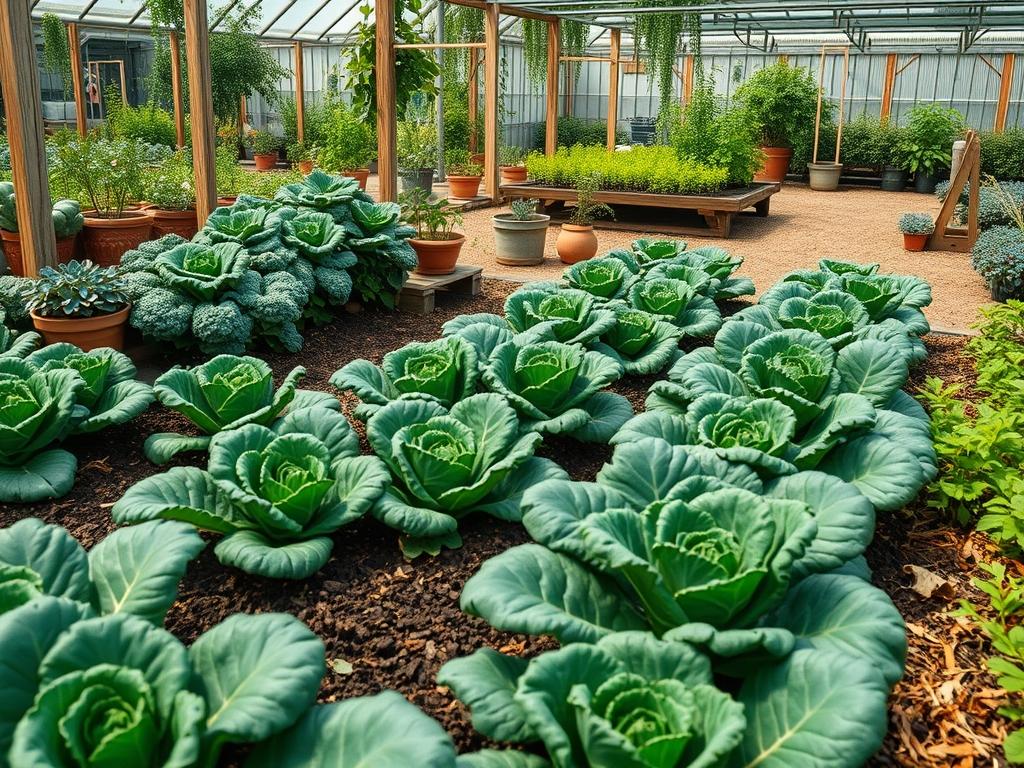
Designing a functional outdoor space requires a delicate balance between aesthetic appeal and ecological management. When we integrate edible crops like Kale into a professional landscape, we often encounter specific biological challenges that can compromise both the health of the plants and the visual integrity of the garden. One of the most persistent issues is the arrival of ants within the growing beds. From a landscape architecture perspective, the presence of ants is rarely an isolated event; it is usually a symptom of a larger environmental imbalance, such as an undetected aphid infestation or improper moisture levels in the soil. Maintaining curb appeal while managing these tiny invaders involves a sophisticated approach to site planning, drainage, and plant selection. We must view the garden as a holistic system where the structure of the beds, the choice of Mulch, and the surrounding hardscape elements all play a role in pest suppression. Effective landscape management ensures that your Kale beds remain a lush, vibrant focal point rather than a source of frustration.
In high-end residential design, the transition from ornamental borders to edible patches should be seamless. If ants are allowed to colonize the root zones of your Brassica species, they can lead to soil aeration issues or, more commonly, the protection of sap-sucking insects that secrete honeydew. This symbiotic relationship can result in leaf curling and soot mold, which significantly detracts from the outdoor functionality and beauty of the space. To counter this, a consultant looks at the climate and the specific microclimate of the backyard. High humidity or poor air circulation often invites the pests that ants farm. By utilizing strategic elevation and high-quality materials, we can create an environment that favors the plant while making the habitat less hospitable for ant mounds.
Landscape Design Principles
Symmetry and focal points are the cornerstones of a well-ordered garden. When placing Kale beds, we often use them as structural elements due to their architectural foliage and varied colors, ranging from deep blues to vibrant purples. To prevent ant issues from the outset, symmetry should extend below the surface. Elevation layers are critical; by using Raised Beds or Retaining Walls built from Natural Stone or Rot-Resistant Cedar, we create a clear physical boundary between the manicured lawn and the cultivation area. This verticality helps with drainage and makes it significantly harder for ground-dwelling ants to establish massive colonies within the prime root zone of the vegetables.
Irrigation planning is another vital design principle. Over-saturated soil or leaky pipes provide the hydration that ant colonies require to thrive. I recommend a Drip Irrigation System installed 2 inches below the soil surface. This directs water precisely to the roots of the Kale, keeping the top layer of soil and mulch dry. Ants generally prefer consistent moisture levels for their tunnels; therefore, a dry surface layer acts as a natural deterrent. Furthermore, visual balance is achieved by surrounding the edible beds with Flagstone Walkways or Crushed Gravel Paths. These hardscape materials do not just provide a clean aesthetic; they create a thermal barrier that ants often avoid during the heat of the day, effectively isolating the Kale beds from the rest of the landscape.
Plant and Material Selection
Selecting the right cultivars and supporting materials is essential for leaf protection and pest management. The table below outlines the primary selections for a resilient edible landscape.
| Plant Type | Sun Exposure | Soil Needs | Water Demand | Growth Speed | Maintenance Level |
| :— | :— | :— | :— | :— | :— |
| Curly Kale | Full Sun | Loamy, pH 6.5 | Moderate | Fast | Medium |
| Lacinato Kale | Full Sun to Part Shade | Rich Organic | Moderate | Medium | Medium |
| Red Russian Kale | Full Sun | Well-Drained | Low to Moderate | Fast | Low |
| French Marigolds | Full Sun | Standard Garden | Low | Medium | Low |
| Peppermint | Part Shade | Moist | High | Aggressive | High |
| Diatomaceous Earth | N/A | Dry Surface | N/A | N/A | Periodic Reapplication |
| Cedar Mulch | N/A | Surface Layer | N/A | N/A | Annual Refresh |
Implementation Strategy
The implementation phase begins with precise grading of the site. A professional landscape requires a 1 percent to 2 percent slope away from any permanent structures to ensure that water does not pool near the base of the Kale beds. Once the site is graded, we install Steel Edging or Paver Edging to define the perimeter. This creates a crisp line for curb appeal and prevents the creeping roots of lawn grasses from invading the beds, which can often hide ant trails.
Next, we focus on soil composition. A mixture of 60 percent Topsoil, 30 percent Organic Compost, and 10 percent Coated Sand provides the ideal structure for Kale. The inclusion of sand is a strategic choice; it improves drainage and creates a texture that ants find difficult for tunneling. Before planting the Kale starts, which should be spaced 12 inches to 18 inches apart, we apply a thin layer of Diatomaceous Earth around the base of the stems. This food-grade powder is composed of fossilized algae that acts as a mechanical barrier against ants and soft-bodied insects.
For leaf protection, we utilize Floating Row Covers or Fine Mesh Netting during the early growth stages. This prevents larger pests from laying eggs while still allowing light and water to reach the foliage. The mulch depth is also a critical factor. We apply 3 inches of Course Bark Mulch or Arborist Chips. This depth is sufficient to suppress weeds and retain necessary moisture for the plants, but because it stays drier on the very top, it discourages ants from nesting directly under the leaf canopy.
Common Landscaping Failures
One of the most frequent mistakes I see in residential gardens is improper drainage. When water sits at the base of a container or a raised bed, it softens the soil to a point where ants can easily excavate deep galleries. This saturated environment also stresses the Kale, making it more susceptible to Aphids, which in turn attracts more ants. Another common failure is root overcrowding. When plants are spaced too closely, air cannot circulate through the lower leaves. This creates a humid microclimate that is a sanctuary for pests.
Soil compaction is another silent killer of garden productivity. When gardeners walk directly on the soil within the beds, they crush the air pockets necessary for root respiration. Compacted soil often develops small cracks as it dries, which serves as a pre-made highway for ant colonies to move into the root zone. Furthermore, irrigation inefficiencies, such as using overhead sprinklers that wet the entire leaf surface, can lead to fungal diseases. Ants often thrive in these damp, decaying environments. Utilizing a dedicated Soaker Hose or Drip Line is the professional standard for avoiding these pitfalls.
Seasonal Maintenance
Spring is the time for structural audits and soil preparation. As the ground thaws, check for any shifting in the Retaining Walls or Edging that might allow ants to enter from the sides. Apply a fresh 1 inch layer of Compost and check the pH levels of the soil to ensure it remains slightly acidic for the Kale. This is also the best time to release Beneficial Nematodes into the soil, as they hunt ant larvae and other soil-borne pests without the need for harsh chemicals.
During the summer, management shifts toward moisture control and leaf inspection. Hand-pull any weeds that breach the Mulch layer, as these provide bridges for ants to reach the Kale leaves. If you see ants climbing the stems, blast the underside of the leaves with a sharp stream of water from a Garden Hose to dislodge any aphids. In the autumn, remove all spent plant debris. Leaving decaying leaves on the ground provides a wintering site for ants and their symbiotic partners. Winter maintenance involves checking the integrity of the hardscape and planning for crop rotation. Moving your Kale to a different section of the garden every year breaks the life cycle of pests that may have become established in the soil.
Professional Landscaping FAQ
How do I stop ants from farming aphids on my kale?
Apply a localized treatment of Neem Oil to the foliage to eliminate the aphids. Without their food source, the ants will relocate. Additionally, use a sticky barrier around the base of raised beds to physically block ant access.
Does mulch type affect ant populations in vegetable beds?
Yes, ants prefer fine, damp mulches. Using Coarse Cedar Chips or Large Pine Nuggets creates a drier, more difficult terrain for them to navigate. Avoid using untreated straw, as it can harbor a variety of garden pests.
Are ants actually damaging my kale plants directly?
Generally, ants do not eat kale leaves. However, they protect harmful pests like aphids and mealybugs from natural predators. Their tunneling can also disturb the root system, leading to stunted growth or wilting in young Kale plants.
What is the best way to destroy an ant mound in a garden?
Avoid using boiling water, as it will kill the Kale roots. Instead, use a bait station with a Borax solution near the mound. The ants will carry the bait to the queen, neutralizing the colony without damaging the soil chemistry.
Can companion planting really deter ants?
Plants with high essential oil content, such as Mint, Tansy, or Pennyroyal, can disrupt ant scent trails. Planting these in containers around your Kale beds creates a natural aromatic barrier that discourages ants from scouting the area.