
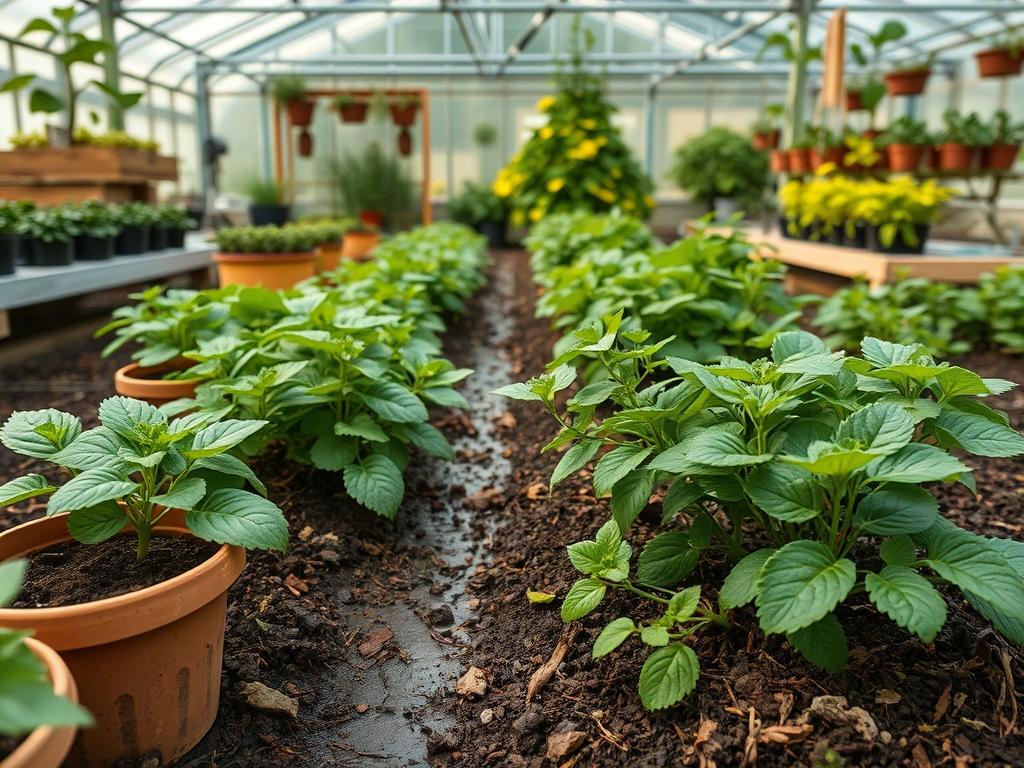
The architectural integrity of a high-end landscape depends largely on the health and vigor of its living components. While hardscaping elements like Natural Stone Pavers or Retaining Walls provide the permanent structure, the softscaping provides the soul of the environment. When an infestation occurs, the visual balance is immediately compromised. Identifying garden aphids early is not merely a task for a hobbyist; it is a critical requirement for any landscape architect or property manager looking to maintain curb appeal and outdoor functionality. These small, pear shaped insects can colonize a Specimen Tree or a formal hedge in a matter of days, leading to leaf curling, stunted growth, and the unsightly accumulation of sooty mold. In a professional outdoor environment, where every plant is selected for its specific contribution to the symmetry and aesthetic of the site, a failure to detect these pests can result in significant financial loss and a degradation of the overall design vision.
Maintaining the health of a landscape requires a keen eye for the subtle shifts in plant physiology. Aphids are often found congregating on the tender, new growth of Ornamental Shrubs and perennials, where they pierce the plant tissue to suck out nutrient rich sap. From a consulting perspective, we look at the climate and the specific microclimates within a property. Areas with poor airflow or those receiving excessive nitrogen fertilization are often the first to show signs of an outbreak. By recognizing the early indicators of infestation, such as the presence of ants trailing up a trunk or the glistening sheen of honeydew on a Flagstone Patio, we can implement integrated pest management strategies that preserve the ecological balance of the garden without resorting to heavy chemical intervention.
Landscape Design Principles
When we architect a garden, we utilize symmetry and focal points to guide the viewer’s eye through the space. However, these design choices also dictate how we monitor for pests. A symmetrical row of European Hornbeam provides a stunning visual corridor, but if one tree becomes infested with aphids, the asymmetry caused by yellowing leaves or thinning canopies will be glaringly obvious. We design with elevation layers in mind, placing taller Evergreens in the rear and low-lying Perennials in the front. This layering creates different moisture zones, and identifying garden aphids requires understanding which layers are most susceptible.
Visual balance is not just about the size of the plants, but also about their health consistency. We often plan irrigation systems to deliver precise amounts of water to specific zones, yet over-irrigation can lead to soft, succulent growth that is highly attractive to aphids. Effective landscape design incorporates wide walkways and accessible planting beds that allow for regular inspection of the undersides of leaves, which is where aphids typically hide. By planning for accessibility, we ensure that the maintenance staff can reach the interior of dense Boxwood or Yew hedges where pests often go unnoticed until the damage is extensive.
Plant and Material Selection
The following table outlines plants often used in high-end landscaping that require specific monitoring for aphid activity, along with their ideal environmental conditions.
| Plant Type | Sun Exposure | Soil Needs | Water Demand | Growth Speed | Maintenance Level |
| :— | :— | :— | :— | :— | :— |
| Hybrid Tea Rose | Full Sun | Loamy, Well-Drained | High | Fast | High |
| Japanese Maple | Partial Shade | Slightly Acidic | Moderate | Slow-Moderate | Medium |
| Milkweed | Full Sun | Sandy to Loamy | Low to Moderate | Fast | Low |
| English Ivy | Shade to Sun | Adaptable | Moderate | Very Fast | Medium |
| River Birch | Full Sun | Moist, Acidic | High | Fast | Medium |
| Daylily | Full Sun | Fertile, Well-Drained | Moderate | Fast | Low |
| Nasturtium | Full Sun | Poor to Average | Moderate | Fast | Low |
Implementation Strategy
Planning a garden layout requires a strategic approach to grading and drainage to ensure long term plant health. When setting up a new site, we begin with a Surveyor’s Level to determine the natural fall of the land. Proper grading ensures that water moves away from the foundations and does not pool in planting beds, as stagnant water and high humidity create a breeding ground for pests. Once the grade is established, we install French Drains or Catch Basins where necessary to manage runoff effectively.
After the infrastructure is in place, we focus on soil preparation. We recommend a Soil Test Kit to determine nutrient levels before any planting begins. Over-amending soil with high nitrogen fertilizers can trigger an explosion in the aphid population. When we install the plants, we use a Spade to create holes twice the width of the root ball to prevent root girdling and ensure rapid establishment. Edging is then installed using Steel Edging or Cobblestone to define the beds. Finally, a 2 to 3 inch layer of Organic Double-Shredded Bark Mulch is applied. This mulch helps retain moisture and suppress weeds, but it must be kept a few inches away from the stems of plants to prevent rot and provide a clear area for pest monitoring near the base of the plant.
Common Landscaping Failures
One of the most frequent mistakes in professional landscaping is improper spacing, often referred to as root overcrowding. When plants are placed too close together to achieve an “instant” full look, airflow is severely restricted. This lack of circulation creates a humid microclimate that allows aphids to thrive and spread rapidly from one host to another. Furthermore, soil compaction from heavy machinery during the construction phase often goes unaddressed. Compacted soil limits root respiration and stresses the plant, making it a prime target for opportunistic insects.
Irrigation inefficiencies also play a significant role in landscape failure. Many systems are set to a “one size fits all” timer, leading to some zones being overwatered while others are bone dry. Stressed plants emit chemical signals that aphids can detect, drawing them toward the weakest specimens in the garden. Additionally, failing to account for the adult size of a tree can lead to structural issues. For example, planting a Tulip Poplar too close to a house not only risks foundation damage but also makes it nearly impossible to treat the upper canopy if an aphid-induced sooty mold outbreak occurs, which can eventually drip down and stain the building’s facade or expensive Bluestone decking.
Seasonal Maintenance
Seasonal management is the hallmark of a well-maintained estate. During the spring, focus should be on “scouting.” This involves inspecting the new shoots of Lilacs and Fruit Trees for the first sign of aphid colonies. A strong blast of water from a High-Pressure Hose Nozzle can often dislodge these pests before they establish a foothold. As we move into summer, monitor plants for heat stress. High temperatures can cause aphids to reproduce even faster. Ensure that the Drip Irrigation lines are functioning correctly to keep the plants’ natural defenses high.
Autumn is the time for sanitation. Remove any fallen leaves and debris that may harbor aphid eggs through the winter months. Pruning should be done with sharp Bypass Pruners to remove any dead or crossing branches, which improves airflow. In winter, applying a Dormant Oil Spray to the trunks and branches of deciduous trees can effectively smother overwintering eggs. This proactive approach during the dormant season significantly reduces the population of aphids that will emerge the following spring, ensuring the landscape remains pristine and structurally sound year after year.
Professional Landscaping FAQ
How can I quickly identify aphids on my property?
Look for small, soft bodied insects on the undersides of new leaves. They may be green, black, or woolly white. You might also notice sticky honeydew on the foliage or nearby hardscaping, accompanied by increased ant activity around the plant.
Are aphids always a sign of a failing landscape?
Not necessarily. A few aphids are normal in a healthy ecosystem. However, a large infestation suggests an imbalance, such as over-fertilization, poor drainage, or plant stress. Fast intervention prevents them from damaging the aesthetic value of your focal point plants.
What is the best way to manage aphids without chemicals?
Promote biodiversity by planting Yarrow or Dill to attract natural predators like ladybugs and lacewings. For immediate results, use a firm stream of water to knock them off the plants or apply an organic insecticidal soap directly to the insects.
Why are ants usually found near aphid colonies?
Ants have a symbiotic relationship with aphids. They “farm” them for the sugary honeydew they secrete and will even protect the aphids from natural predators. If you see ants climbing your trees, it is a primary indicator of a hidden aphid problem.
Can aphids damage my hardscaping and outdoor furniture?
Indirectly, yes. As aphids feed, they excrete honeydew, a sticky substance that falls onto patios, walkways, and furniture. This residue quickly grows black sooty mold, which can be difficult to clean and can cause permanent staining on porous stone materials.