
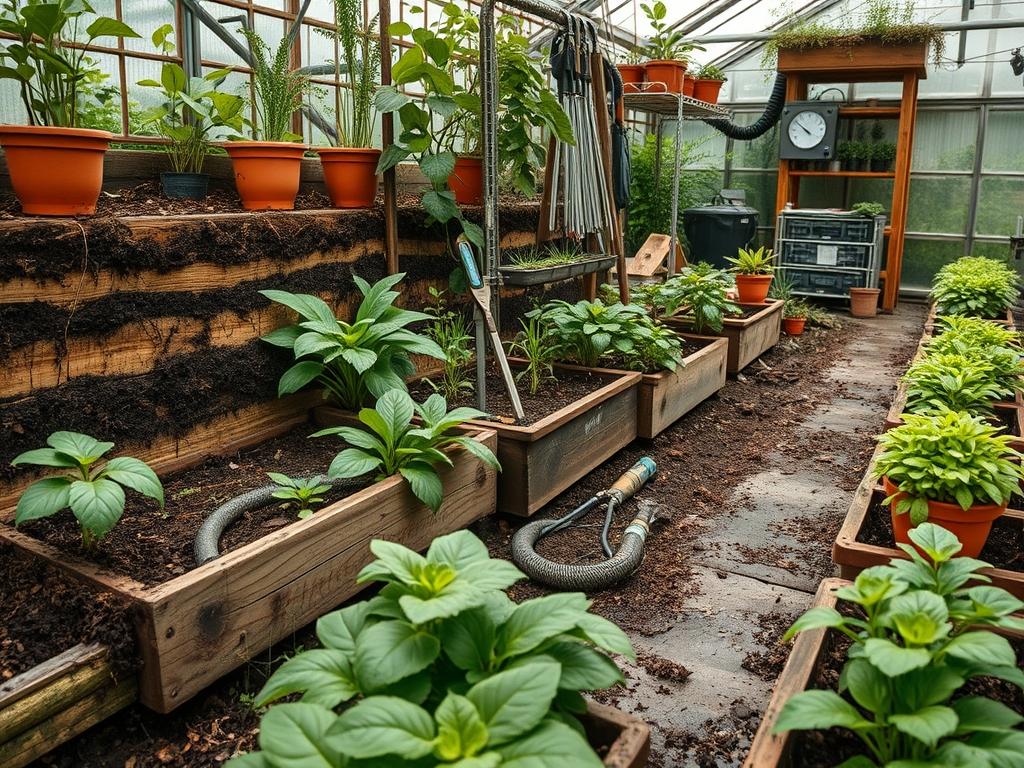
Prolonged rainfall and high humidity transform a manicured landscape into a thriving ecosystem for gastropods, presenting a significant challenge for maintaining high-end curb appeal. When moisture levels remain elevated, the structural integrity of ornamental foliage is often the first to suffer. For the professional landscape architect, the objective is to balance aesthetic beauty with a functional environment that discourages pests naturally. Getting rid of slugs requires more than temporary fixes; it demands a comprehensive strategy involving site grading, plant selection, and the strategic use of hardscape barriers. These soft-bodied mollusks can decimate a curated garden in a single night, stripping the leaves of prized perennials and diminishing the overall functionality of outdoor living spaces.
The impact of a slug infestation extends beyond simple plant health. It affects the visual rhythm of the garden, creating unsightly gaps in the middle of flower beds and leaving behind reflective slime trails that mar the appearance of natural stone pavers and concrete walkways. In a professional landscape design, every element serves a purpose. When gastropods damage a focal point, the entire composition loses its balance. Integrating pest management into the initial site planning ensures that the environment remains resilient during the wettest months of the spring and autumn seasons. By focusing on moisture management and airflow, a designer can create a sophisticated outdoor area that feels welcoming to guests but hostile to unwanted pests.
Landscape Design Principles
Effective landscape design relies on the principles of symmetry, elevation, and visual balance to guide the eye and define the space. When addressing the issue of getting rid of slugs, we must consider how these principles interact with the local microclimate. Slugs thrive in stagnant, damp environments with minimal air circulation. To counter this, designers should prioritize elevation layers. Incorporating retaining walls made of dry-stack limestone or basalt blocks creates vertical separation that acts as a physical deterrent. These structures provide sharp edges and dry surfaces that are difficult for slugs to navigate compared to flat, continuous soil beds.
Focal points should be elevated or surrounded by materials that inhibit pest movement. For example, a central sculpture or a specimen tree located on a raised mound with a 3-inch layer of crushed aggregate prevents slugs from easily accessing the foliage. Symmetry in planting also plays a role. If a row of Boxwoods is interrupted by slug damage, the entire geometric pattern is ruined. Therefore, irrigation planning must be precise. Utilizing drip irrigation systems rather than overhead sprinklers ensures that moisture is delivered directly to the root zones, leaving the leaf surfaces and top layer of mulch dry. This strategic placement of water maintains the health of the plants while denying pests the hydration they need to travel across the garden floor.
Plant and Material Selection
The following table provides a selection of plants and materials that are either resistant to gastropods or assist in creating a professional landscape environment that is easier to manage in wet weather.
| Plant Type | Sun Exposure | Soil Needs | Water Demand | Growth Speed | Maintenance Level |
| :— | :— | :— | :— | :— | :— |
| Lavandula angustifolia | Full Sun | Well-drained, Sandy | Low | Moderate | Low |
| Euphorbia characias | Full Sun | Well-drained | Low | Fast | Low |
| Ferns (Dryopteris) | Full Shade | Organic, Rich | Moderate | Moderate | Medium |
| Nepeta (Catmint) | Full Sun | Average, Well-drained | Low | Fast | Low |
| Salvia officinalis | Full Sun | Well-drained | Low | Moderate | Low |
| Aquilegia (Columbine) | Part Shade | Moist, Well-drained | Moderate | Moderate | Medium |
| Alchemilla mollis | Part Shade | Moister Soils | Moderate | Fast | Low |
Choosing the right materials is equally important. For mulch, designers should avoid fine-textured organic materials that retain excessive moisture. Instead, a 1-inch layer of cocoa hull mulch or pine bark nuggets can be more effective. If the budget allows, incorporating copper flashing around the base of sensitive planters or beneath the rim of raised beds creates a chemical reaction with slug mucus that acts as a natural electric fence. This is a discreet, professional-grade solution that protects high-value specimens without the need for unsightly traps.
Implementation Strategy
Planning a backyard or commercial garden layout starts with proper site grading. To begin getting rid of slugs through architectural means, ensure the site has a 2 percent slope away from the main residence or outdoor living structures. This prevents water from pooling in low spots, which are prime breeding grounds for pests. After grading, focus on the edging. A clean, sharp edge made of steel or aluminum provides a barrier that is harder to cross than a soft grass-to-soil transition.
The implementation of a French drain system is often necessary in areas with heavy clay soil. By burying a 4-inch perforated pipe encased in drainage gravel, excess subsurface water is redirected, keeping the topsoil from becoming saturated. When laying out the garden beds, spacing is critical. Professional designers ensure that plants are spaced far enough apart to allow for maximum air circulation at maturity. This reduces the humidity levels under the canopy, where slugs typically hide during the heat of the day. Finally, when applying mulch, keep a 2-inch gap between the material and the stems of the plants. This prevents the crown of the plant from staying too moist and discourages pests from nesting directly at the base of your decorative foliage.
Common Landscaping Failures
One of the most frequent errors in landscape management is the use of excessive mulch. While mulch is essential for moisture retention and weed suppression, applying more than 4 inches of depth creates a dense, spongy environment that mimics a slug hotel. Another common failure is poor irrigation timing. Programming a system to run in the late evening ensures that the garden remains wet throughout the night, which is the primary period of activity for gastropods. Switching to early morning cycles allows the sun to dry the soil surface quickly.
Root overcrowding and improper spacing also lead to pest problems. When plants are packed too tightly together, they create a continuous canopy of shade and moisture. This not only invites slugs but also promotes fungal diseases like powdery mildew. Soil compaction is another critical issue. In compacted soil, water cannot penetrate the surface; instead, it sits on top, creating the perfect conditions for slugs to move freely. Regular aeration of lawn areas and the addition of decomposed granite or perlite to garden beds can improve domestic soil structure and mitigate these issues.
Seasonal Maintenance
Spring maintenance is the most critical phase for getting rid of slugs. As the ground warms and rain increases, designers should recommend a thorough debris clearing. Remove fallen leaves and dead perennials from the previous year, as these provide the perfect damp shelter for early-season eggs. In the summer, the focus shifts to moisture control. Regularly check drip emitters to ensure there are no leaks and monitor the thickness of your mulch. If the weather becomes exceptionally dry, avoid the temptation to over-compensate with water, which can create localized damp zones that attract pests.
Autumn requires a change in strategy as the weather cools and rainfall returns. This is the time to apply a thin layer of diatomaceous earth or crushed eggshells around the base of vulnerable plants. These abrasive materials act as mechanical deterrents. During winter, landscape management involves protecting the soil from becoming overly compacted by heavy snow or rain. Using jute netting or burlap can help stabilize areas of the garden that are prone to erosion without creating the deep, moist habitats that allow slug populations to over-winter successfully. Constant vigilance and small adjustments to the landscape each season will ensure long-term pest control.
Professional Landscaping FAQ
How does elevation help with getting rid of slugs?
Elevation improves drainage and increases air circulation. Slugs struggle to climb vertical, dry surfaces like retaining walls or stone planters. By raising the planting level, the soil surface dries faster, making it an unattractive habitat for moisture-dependent pests.
Are there specific mulches that deter slugs?
Yes, textures are important. Slugs prefer smooth, moist surfaces. Using pine needles, cedar chips, or crushed shells creates a jagged, dry barrier that is difficult for them to navigate. Avoid using fine, water-retentive mulches in damp, shaded garden areas.
What role does lighting play in slug management?
While lighting does not kill slugs, it changes the nighttime microclimate. Low-voltage LED landscape lights can slightly increase the surface temperature of stones and mulch. Well-lit pathways also make it easier for homeowners to identify and manually remove pests.
Can irrigation design really reduce pest populations?
Absolutely. Transitioning from overhead sprays to sub-surface drip irrigation keeps the foliage and surface mulch dry. Since slugs require a film of water or condensation to move efficiently, a dry surface significantly limits their ability to reach your plants.
What is the best material for a slug-resistant walkway?
Materials with high thermal mass, such as flagstone or pavers set in polymeric sand, are ideal. These surfaces heat up during the day and dry out quickly. Unlike wood chips or grass paths, they do not provide cover or moisture.