
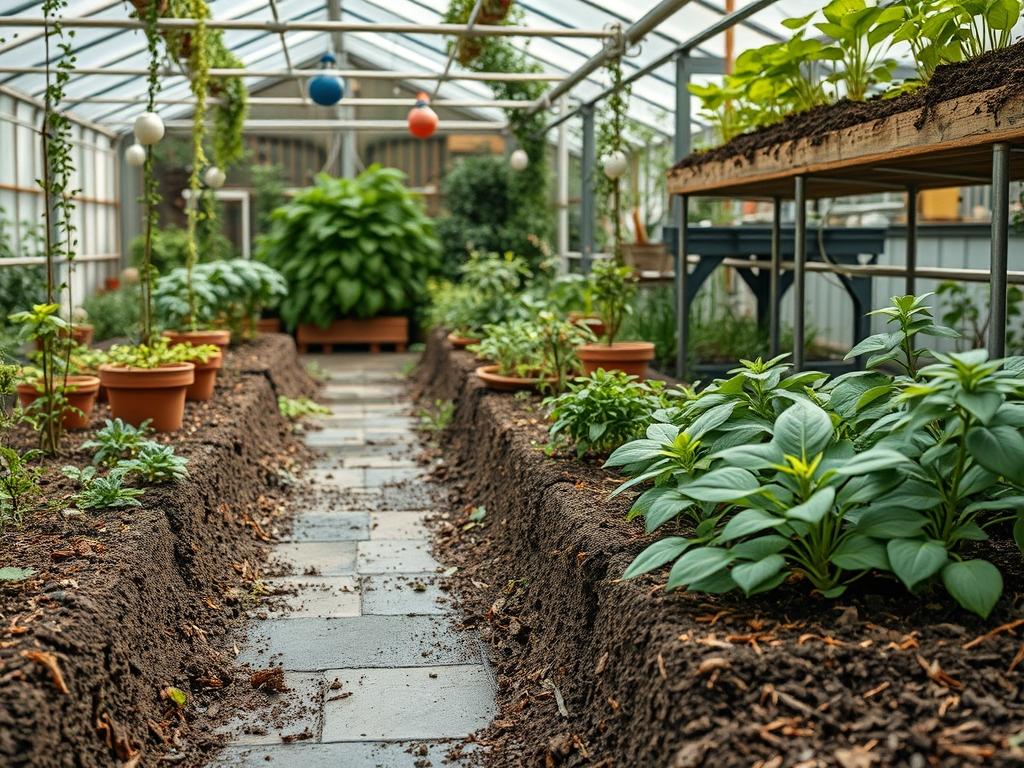
The integration of edible crops into a sophisticated landscape design requires a delicate balance between aesthetic perfection and biological reality. While leafy greens like Bibb Lettuce and Lancing Kale offer vibrant textures and deep emerald hues that enhance curb appeal, they are also highly susceptible to the destructive habits of the garden snail. From a landscape architectural perspective, managing these pests is not merely an exercise in pest control; it is an exercise in site engineering and microclimate management. The structural integrity of a garden can be compromised when foliage is skeletal and ragged, undermining the outdoor functionality and visual harmony of the space. Effective snail damage prevention begins with the fundamental layout of the garden beds, focusing on the strategic manipulation of light, moisture, and topographical barriers to discourage gastropod migration.
Landscape Design Principles
Symmetry and focal points often dictate the placement of garden elements, but when leafy greens are involved, the architect must also consider the physical movement of pests. Creating a hierarchy of elevation is one of the most effective ways to mitigate damage. By utilizing Raised garden beds constructed from Western Red Cedar or Natural stone, a designer can physically separate vulnerable plants from the base soil where snails typically dwell during the day. Elevation layers also facilitate better airflow, which reduces the ambient humidity around the base of the plant, making the environment less hospitable.
Irrigation planning is another critical pillar of professional landscape design. Overhead sprinkling systems create a moisture-heavy environment that persists into the evening, providing the exact conditions snails need to thrive. Instead, a consultant will specify a Drip irrigation system with Pressure-compensating emitters positioned directly at the root zone. This keeps the surrounding soil and foliage dry. Walkways should be designed using high-friction materials such as Decomposed granite or Crushed limestone. These surfaces serve as a tactile deterrent, as the abrasive nature of the aggregate discourages snails from crossing toward the planting zones. Visual balance is maintained by bordering these edible zones with hardy, repellent species, ensuring that the vegetable patch looks intentional and architecturally sound rather than utilitarian.
Plant and Material Selection
| Plant Type | Sun Exposure | Soil Needs | Water Demand | Growth Speed | Maintenance Level |
| :— | :— | :— | :— | :— | :— |
| Lactuca sativa (Lettuce) | Full Sun to Part Shade | Loamy, Well-drained | Moderate | Fast | Moderate |
| Brassica oleracea (Kale) | Full Sun | Rich, Organic | Moderate | Medium | Low |
| Beta vulgaris (Swiss Chard) | Full Sun | Deep, Fertile | Moderate | Fast | Moderate |
| Spinacia oleracea (Spinach) | Part Shade | Sandy Loam | High | Fast | High |
| Eruca vesicaria (Arugula) | Full Sun | Well-drained | Low to Moderate | Very Fast | Low |
| Diatomaceous Earth (Barrier) | N/A | Dry Surface | Keep Dry | N/A | Monthly Reapplication |
| Copper Foil (Edging) | N/A | External Surface | N/A | N/A | Seasonal Cleaning |
Implementation Strategy
The successful execution of a snail-resistant landscape begins with professional-grade grading and site preparation. A 2 percent slope is generally recommended to ensure that water does not pool near the base of the planting beds. Once the topography is set, installers should place a Geotextile fabric beneath any hardscaping to prevent soil migration. Edging is then installed using Steel landscape edging or Copper flashing; the latter is particularly effective because copper creates a small galvanic reaction when it comes into contact with snail mucus, acting as a natural invisible fence.
When applying mulch, the depth should be strictly maintained at 2 inches to 3 inches. Excessive mulch depth creates a cool, damp subterranean environment where snails can lay eggs. For leafy greens, a consultant might recommend an inorganic mulch such as Pea gravel or River rock around the immediate perimeter of the crop. This creates a dry zone that prevents snails from reaching the soft stems of the plants. If aesthetic requirements dictate organic mulch, use a coarse-textured Cedar bark which dries out quickly. Finally, drainage must be reinforced with French drains or Perforated PVC piping buried in a gravel trench to whisk excess moisture away from the site, depriving the pests of the hydration they require for mobility.
Common Landscaping Failures
The most frequent error in residential landscapes is over-irrigation. Homeowners often believe more water leads to healthier greens, but saturated soil is a primary attractant for snails. Irrigation inefficiencies, such as leaky valves or poorly aimed spray heads, create “hot spots” of moisture that serve as breeding grounds. Another common failure is root overcrowding. When Leafy greens are planted too closely together, they create a dense canopy that traps moisture and provides shade, effectively shielding snails from the afternoon sun.
Soil compaction is a hidden culprit in many landscape disasters. Compaction prevents water from penetrating the subsoil, forcing it to sit on the surface and create the damp conditions snails love. Furthermore, improper spacing between the edible garden and the perimeter “wild” zones allows snails to migrate easily from tall grasses into the cultivated beds. A professional design always includes a “no-man’s land” of dry, abrasive material between the ornamental perimeter and the high-value leafy vegetables.
Seasonal Maintenance
In the Spring, the focus is on reactivation and barrier reinforcement. This is when snails are most active due to increased rainfall. Installers should apply a fresh 1 inch layer of Diatomaceous Earth around sensitive crops and inspect all Copper foil barriers for oxidation or debris that might allow a snail to bypass the shock.
Summer maintenance revolves around irrigation management. Consultants should audit the Drip lines to ensure no emitters are clogged and that the timing is set for early morning. This allows the sun to dry the top 0.5 inch of soil throughout the day, making the surface impassable by dusk.
During the Autumn, the priority shifts to debris removal. Fallen leaves and dead vegetative matter provide the perfect over-wintering habitat for snail eggs. All spent plants should be cleared, and the soil should be lightly tilled using a Hand cultivator to expose any hidden egg clusters to the air.
In Winter, maintenance involves the structural assessment of Retaining walls and Raised beds. Check for cracks in the masonry or gaps in the wood where snails could harbor. Applying a dormant oil or a protective sealant to the Cedar frames can help prevent the wood from becoming waterlogged, which reduces its attractiveness to gastropods in the following season.
Professional Landscaping FAQ
What is the most effective physical barrier for snails?
Copper foil or tape is the gold standard. When the snail’s slime touches the copper, it triggers a microscopic electric charge. This discomfort forces the pest to retreat without the use of toxic chemicals in your garden.
Can I use mulch around my leafy greens?
Yes, but choose wisely. Avoid thick, moisture-retaining wood chips. Instead, use a 1 inch layer of Crushed shells or Coarse sand. These materials are uncomfortable for snails to traverse and help keep the plant base dry.
How does irrigation timing affect snail populations?
Always water in the early morning. Evening watering keeps the landscape damp for 10 to 12 hours of darkness, providing a lubricated highway for snails. Morning irrigation allows the sun to evaporate surface moisture, creating a dry barrier.
Are there plants that naturally repel snails?
Snails dislike strong scents and fuzzy textures. Interplanting your leafy greens with Lavandula (Lavender), Rosmarinus officinalis (Rosemary), or Salvia (Sage) can create a natural olfactory deterrent that compliments the aesthetic of the landscape while protecting the crops.
Should I use chemical snail baits?
As a consultant, I recommend Iron phosphate pellets. Unlike older metaldehyde baits, iron phosphate is safe for pets and birds. It causes the snails to stop feeding immediately and retreat to the soil to die discreetly.