
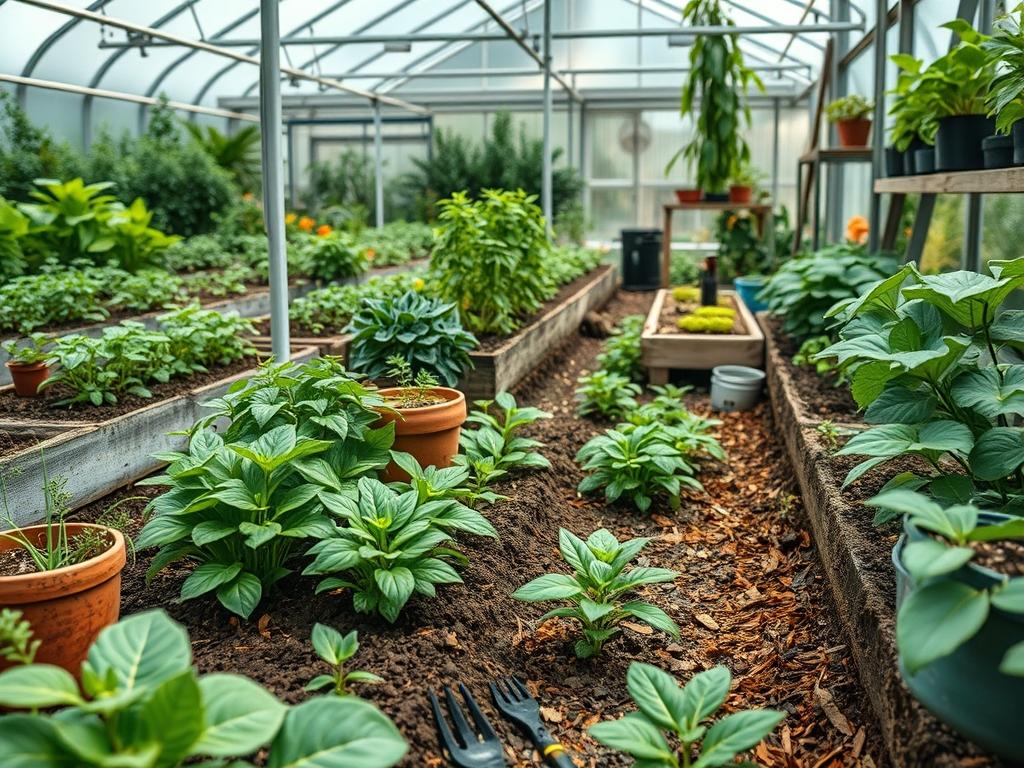
The success of any residential landscape design depends on a delicate balance between aesthetic vision and biological resilience. When a homeowner invests in a professional outdoor environment, they are not just purchasing Topsoil and Ornamental Grasses; they are establishing a living ecosystem that requires constant vigilance against environmental stressors. One of the most significant threats to the visual integrity and health of a high-value garden is the presence of microscopic pests. Specifically, the process of Spider Mite Identification is a critical skill for any property owner aiming to maintain curb appeal and plant longevity throughout the sweltering summer months. These arachnids thrive in hot, dry conditions, often settling into the dense foliage of a Dwarf Alberta Spruce or a meticulously pruned Boxwood hedge before the homeowner even notices a change in color. If left unchecked, these pests can colonialize an entire perimeter planting, leading to leaf drop, bronzing, and the eventual death of expensive specimens. To protect the outdoor functionality of a space, one must integrate pest management directly into the initial landscape planning phase, ensuring that the environment is hostile to mites while remainng hospitable to the family.
Landscape Design Principles
Effective landscape architecture relies on structural harmony and the strategic use of space to create a sense of order. Symmetry is often used to frame an entryway, utilizing identical pairs of Pyramidal Yews or Sky Rocket Junipers. However, from a maintenance perspective, symmetry can be a double-edged sword. If one plant in a symmetrical pair is compromised by a mite infestation, the entire visual balance of the facade is destroyed. Therefore, designers often recommend diversifying the plant palette to avoid monocultures that allow pests to jump easily from one host to the next. Focal points, such as a large Japanese Maple or a stone Water Feature, should be positioned with enough clearance to allow for 360-degree inspection and airflow.
Elevation layers are equally vital for both aesthetics and health. By utilizing a tiered approach, incorporating Retaining Wall Blocks and varied planting heights, a designer creates natural air channels. Stagnant, hot air is a primary incubator for spider mites. When planning walkways and paths using Flagstone or Permeable Pavers, leave sufficient margins between the hardscape and the foliage. This prevents heat radiating from the stone from scorching the undersides of leaves, which further attracts pests. Additionally, irrigation planning must be precise. While Drip Irrigation is the gold standard for water conservation and root health, occasional overhead rinsing can be a strategic tool for Spider Mite Identification. A sharp stream of water can dislodge webbing and mites, though it must be done early in the day to allow foliage to dry and prevent fungal pathogens.
Plant and Material Selection
Selecting the right materials involves more than just picking colors; it requires matching the biological needs of the species to the microclimate of the site. The following table outlines various plants common in modern landscapes and their specific requirements, including those that are particularly susceptible or resistant to mites.
| Plant Type | Sun Exposure | Soil Needs | Water Demand | Growth Speed | Maintenance Level |
| :— | :— | :— | :— | :— | :— |
| English Ivy | Part Shade | Well-Drained | Moderate | Fast | High (Mite Prone) |
| Marigold | Full Sun | Loamy | Moderate | Fast | Low (Trap Crop) |
| Juniperus | Full Sun | Sandy/Dry | Low | Medium | Low (Mite Prone) |
| Rosemary | Full Sun | Gritty/Alkaline | Low | Medium | Low (Resistant) |
| Hydrangea | Part Sun | Rich/Organic | High | Fast | Moderate |
| Arborvitae | Full Sun | Moist/Deep | Moderate | Medium | Moderate |
When selecting Mulch, choose organic options like Double-Shredded Cedar or Pine Bark. These materials retain moisture in the soil, reducing the drought stress that often triggers a mite outbreak. Avoid using White Decorative Stone near mite-sensitive plants, as the reflected light and heat can create a localized desert environment that favors pest reproduction.
Implementation Strategy
The transition from a design on paper to a physical garden requires a disciplined implementation strategy. The first step in any backyard layout is grading. Proper grading involves using a Transit Level to ensure that water moves away from the home foundation at a slope of at least 2 percent. Poor drainage leads to root rot, which stresses the plant and renders it a beacon for spider mites. Once the grade is established, define the garden bed edges using a Half-Moon Edger or professional Steel Edging. A crisp edge prevents turf grass from encroaching on the root zones of ornamental shrubs.
Before placing any plants, the soil must be amended based on a professional soil test. Incorporate Leaf Compost or Sphion Peat Moss to a depth of 8 inches to improve soil structure. When the plants arrive, spacing is the most critical factor. Homeowners often make the mistake of planting for immediate impact, resulting in a crowded landscape within three years. Refer to the mature width of the species and provide at least 12 inches of “breathing room” between the anticipated mature canopy and any walls or adjacent plants. This allows for the specialized air circulation necessary to keep mite populations low. Finally, apply a 3-inch layer of mulch, ensuring that the material does not touch the trunk of the trees, a mistake known as “volcano mulching” which can harbor both moisture-seeking pests and harmful bacteria.
Common Landscaping Failures
One of the most frequent failures in residential landscaping is the neglect of the root system in favor of the canopy. Root overcrowding occurs when large species are constrained by narrow planting strips or underground utilities. When roots cannot expand, they cannot take up enough water to cool the leaves through transpiration. This elevated leaf temperature is a primary signal for mites to begin colonization. Furthermore, soil compaction is a silent killer. In high-traffic areas or new construction sites, the soil is often packed so tightly that air cannot reach the roots. Using an Aeratot or manual Garden Fork to break up the crust is essential for long-term health.
Irrigation inefficiencies also contribute significantly to pest issues. Over-watering can be just as detrimental as under-watering. If a Pop-up Spray Head is misaligned, it may leave certain sections of a hedge bone-dry while drowning others. For Spider Mite Identification, check the dry zones first. You will often see a dulling of the leaf color or fine, silken webbing in the branch crotches. Another failure involves the use of high-nitrogen fertilizers during the peak of summer. While nitrogen promotes green growth, it also creates succulent, soft tissue that is easy for mites to pierce and feed upon, essentially “charging up” the pest population.
Seasonal Maintenance
Landscape management is a year-round commitment that changes with the sun’s trajectory. In the spring, the focus should be on prevention. Applying a Dormant Oil Spray to the trunks and branches of deciduous trees can smother overwintering mite eggs before they hatch. This is also the time to sharpen your Pruning Shears and remove any dead or crossing branches to maximize interior light penetration. As summer arrives, the strategy shifts to monitoring. Systematic Spider Mite Identification involves taking a white piece of paper, holding it under a branch, and tapping the foliage sharply. If tiny specks begin to crawl across the paper, an infestation is underway. During this hot period, ensure that the Irrigation Controller is adjusted to account for higher evaporation rates.
Autumn is the season for sanitation. Remove fallen leaves that may harbor pests or pathogens and replenish the mulch layer to protect roots from the coming freeze. It is also an ideal time to plant new species, as the cooler air and warm soil encourage root growth without the stress of high insect activity. In winter, maintenance involves protecting the structural integrity of the landscape. Use a Broom to gently knock heavy snow off Evergreens to prevent limb breakage. While the mites are inactive, this is the best time for the homeowner to review the year’s successes and plan for any necessary replacements or hardscape additions, ensuring the garden remains a functional and beautiful extension of the home.
Professional Landscaping FAQ
How can I quickly identify spider mites on my plants?
Hold a white sheet of paper beneath a branch and shake it firmly. If tiny, moving dots appear, they are likely mites. Also, look for fine webbing and yellow stippling on the tops of leaves.
What is the best non-chemical way to treat mites?
Blast the undersides of the foliage with a high-pressure garden hose. Using Insecticidal Soap or Neem Oil at dusk can also effectively coat and suffocate the pests without harming the plant’s vascular system.
Can certain plants actually repel spider mites?
Yes, incorporating Alliums, Garlic, and Mints into your garden can act as a natural deterrent. These plants produce strong odors that interfere with the mites’ ability to locate their preferred host plants in your landscape.
How does mulch depth affect pest populations?
A consistent 3-inch depth of organic mulch regulates soil temperature and moisture. By keeping the plant’s root system cool and hydrated, you reduce the physiological stress that makes the plant an easy target for mite colonies.
Does pruning help prevent mite infestations?
Strategic thinning of the canopy using Hand Pruners increases sunlight and airflow. Mites prefer dark, stagnant environments, so opening up the interior of a shrub makes the habitat much less favorable for their rapid reproduction.