
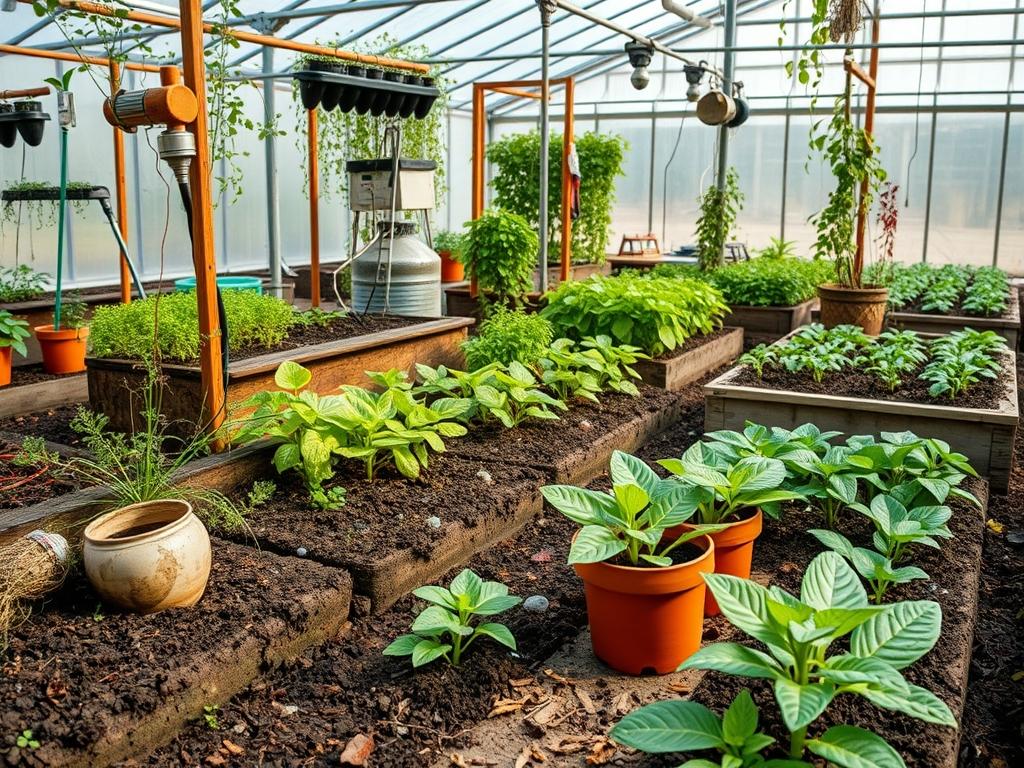
Professional landscape design serves as the synthesis between architectural rigidity and biological fluidity. When we design outdoor environments, we are not merely placing plants in the ground; we are engineering a living ecosystem that must balance aesthetics, drainage, and pest resilience. One of the most persistent challenges in high-end container gardening and terrace landscaping involves the management of moisture-loving pests. Fungus Gnat Prevention remains a top priority for developers and homeowners who invest heavily in specimen-grade plantings and intricate outdoor living spaces. These small, dark flies thrive in the organic-rich, damp environments of potting soil. While they are often dismissed as a minor nuisance, their presence in luxury landscapes indicates a broader systemic failure in water management and soil health. If left unaddressed, the larvae feed on delicate root hairs, compromising the vigor of expensive ornamentals and diminishing the overall curb appeal of the property.
Successful landscape architecture requires an understanding of how microclimates affect soil biology. In urban settings, where potted greenery often lines rooftop gardens or shaded courtyards, air circulation is frequently limited. This lack of airflow, combined with over-irrigation, creates the perfect breeding ground for gnats. To maintain a pristine outdoor environment, a consultant must look beyond the immediate pests and examine the structural integrity of the soil and the efficiency of the drainage systems. The goal is to create a landscape that is both beautiful and functionally sound, where the soil serves as a healthy foundation rather than a reservoir for pathogens. By integrating preventative measures into the initial design phase, we ensure that the outdoor space remains a sanctuary rather than a maintenance burden.
Landscape Design Principles
In the realm of high-end landscaping, design principles such as symmetry and focal points are not just about visual appeal; they are about organization. When we plan a series of large-scale architectural planters, we use symmetry to guide the eye and create a sense of order. However, symmetry also dictates that if one plant fails due to root rot or pest infestation, the entire visual balance is compromised. To prevent this, we prioritize elevation layers and irrigation planning. By varying the height of planters and using retaining walls, we can create natural drainage gradients that prevent water from pooling at the base of the soil.
Focal points, such as a specimen Japanese Maple or a collection of Agave, require specialized potting mixes that facilitate rapid drying of the upper soil layers. This is where the intersection of design and Fungus Gnat Prevention becomes critical. We often implement a “top-dressing” strategy as part of the visual design. Using materials like decomposed granite, polished river stones, or pea gravel creates a physical barrier that prevents adult gnats from laying eggs in the moist organic matter below. This adds a clean, modernist aesthetic to the landscape while serving a vital protective function.
Walkways and circulation paths must also be designed with moisture management in mind. Proper grading ensures that runoff from irrigation or rain does not accumulate near container bases. In professional environments, we often specify a 1 percent to 2 percent slope for hardscaped surfaces. This ensures that water moves efficiently toward a catch basin or a French drain, keeping the external environment dry and less hospitable to moisture-seeking insects. Visual balance is maintained not just through the placement of plants, but through the seamless integration of these drainage solutions into the overall site plan.
Plant and Material Selection
Selecting the right plant for the right location is the cornerstone of sustainable landscaping. Certain species are more resilient to the moisture fluctuations that lead to gnat issues, while others require specific soil amendments to thrive without attracting pests.
| Plant Type | Sun Exposure | Soil Needs | Water Demand | Growth Speed | Maintenance Level |
| :— | :— | :— | :— | :— | :— |
| Buxus sempervirens | Full Sun to Shade | Well-Drained | Moderate | Slow | Medium |
| Lavandula angustifolia | Full Sun | Sandy/Gritty | Low | Moderate | Low |
| Fatsia japonica | Part Shade | Organic/Loamy | High | Fast | High |
| Pachysandra terminalis | Shade | Acidic/Moist | Moderate | Moderate | Low |
| Rosmarinus officinalis | Full Sun | Poor/Rocky | Very Low | Fast | Low |
For professional applications, we often specify soil amendments like Perlite, Pumice, or Rice Hulls to increase the “pore space” within the potting medium. High-quality soil should consist of roughly 25 percent air and 25 percent water by volume. When we use heavy, peat-based mixes without sufficient aeration, the soil becomes compacted and stays wet for too long. This anaerobic state attracts gnats and leads to root decay. By selecting the right materials, we engineer a habitat that supports plant growth while deterring pests.
Implementation Strategy
The transition from a design on paper to a physical landscape requires a meticulous implementation strategy. We begin with grading and site preparation. For raised beds and large masonry planters, we install a drainage plate or a layer of coarse aggregate at the bottom of the structure. This creates a capillary break, preventing water from “wicking” back up into the root zone. Once the structural elements are in place, we focus on the soil composition.
A key step in Fungus Gnat Prevention during the planting phase is the application of biological controls. We often mix Bacillus thuringiensis israelensis, a naturally occurring soil bacterium, into the initial potting medium. This specific strain targets gnat larvae without harming beneficial insects or the surrounding environment. For edging, we use high-quality steel headers or concrete curbing to define the boundaries between turf and garden beds. This prevents grass and weeds from encroaching on the potting soil, which could otherwise provide additional sheltered breeding sites for pests.
Mulch depth is another critical variable. While mulch helps retain moisture for the plant, an excessive layer exceeding 3 inches can trap too much humidity at the soil surface. We recommend a precise application of hardwood mulch or pine bark nuggets, ensuring that the area immediately surrounding the plant crown remains clear. This allows for better gas exchange and prevents the base of the plant from becoming a damp harbor for gnats. For high-traffic areas like outdoor kitchens or patio lounges, we prioritize inorganic mulches like lava rock or expanded clay beads to maintain a dry, clean surface.
Common Landscaping Failures
Many landscaping issues stem from a fundamental misunderstanding of drainage and soil physics. One of the most common failures is the “bowl effect,” where a planter or garden bed is installed without an adequate exit point for excess water. In these scenarios, water accumulates at the bottom, creating a stagnant reservoir that eventually saturates the entire soil column. This leads to rapid fungal growth, which is the primary food source for fungus gnat larvae. Professional consultants avoid this by ensuring that every container has a minimum of three drainage holes and is slightly elevated from the ground using planter feet or risers.
Root overcrowding is another frequent mistake. When plants are packed too tightly for immediate “full” look, they compete for oxygen and water. This stress weakens the plants, making them more susceptible to pest damage. Furthermore, improper spacing prevents sunlight from reaching the soil surface; sunlight is a natural deterrent for gnats as it aids in the drying of the top inch of soil. Irrigation inefficiencies, particularly the use of overhead sprayers in shady zones, exacerbate the problem. We prefer drip irrigation systems that deliver water directly to the root zone, keeping the foliage and the soil surface as dry as possible.
Soil compaction is often overlooked but equally detrimental. Over time, the organic components of potting soil break down and settle, leaving no room for oxygen. This is why we recommend a soil refresh for large architectural containers every two to three years. Without this intervention, the soil becomes a dense, soggy mass that is impossible to manage for pests or plant health.
Seasonal Maintenance
Landscape management is a year-round commitment. In the spring, the focus is on reactivation. We inspect all irrigation emitters to ensure they are not clogged and apply a fresh layer of diatomaceous earth to the soil surface of vulnerable planters. This sharp, fossilized dust acts as a physical deterrent to emerging insects. As temperatures rise in the summer, we monitor soil moisture closely. We often utilize moisture meters to prevent over-watering, which is the leading cause of summer gnat outbreaks.
During autumn, as plant metabolism slows, we significantly reduce irrigation frequency. Falling leaves should be cleared promptly from the surface of pots and beds, as decaying organic matter provides the ideal environment for gnat reproduction. In the winter, many plants enter dormancy and require very little water. This is the time when most gardeners accidentally over-water, leading to persistent indoor and greenhouse gnat problems. By maintaining a strict “dry-back” period where the top 2 inches of soil are allowed to dry completely between cycles, we break the life cycle of the pest.
Professional Landscaping FAQ
What is the fastest way to eliminate gnat larvae in large planters?
The most effective professional method is drenching the soil with a solution of Bacillus thuringiensis israelensis. This biological agent specifically targets the digestive systems of the larvae, killing them within twenty-four hours without damaging the plant or the surrounding soil ecosystem.
Can I use playground sand as a top-dressing for gnat prevention?
While a 1 inch layer of sand can work, it often sifts down into the potting mix over time. Professional architects prefer more stable materials like coached granite or fine gravel, which provide a permanent physical barrier and improve the aesthetic design.
Does mulch attract more gnats to my garden beds?
Thick layers of organic mulch can retain excessive moisture, encouraging gnat activity. To mitigate this, keep mulch depth to around 2 inches and ensure that the area directly around the plant stems is kept clear to allow for proper soil aeration.
How does irrigation timing affect pest populations?
Irrigating in the early morning allows the sun to dry the soil surface throughout the day. Evening watering leaves the soil damp during the coolest hours, providing a window of over twelve hours where gnats can lay eggs in a moisture-rich environment.
Are there specific plants that naturally repel fungus gnats?
While no plant is a total repellent, species with high essential oil content like Rosmarinus or Lavandula are less attractive to many insects. However, gnat prevention is primarily a matter of soil moisture management rather than specific plant chemistry.