
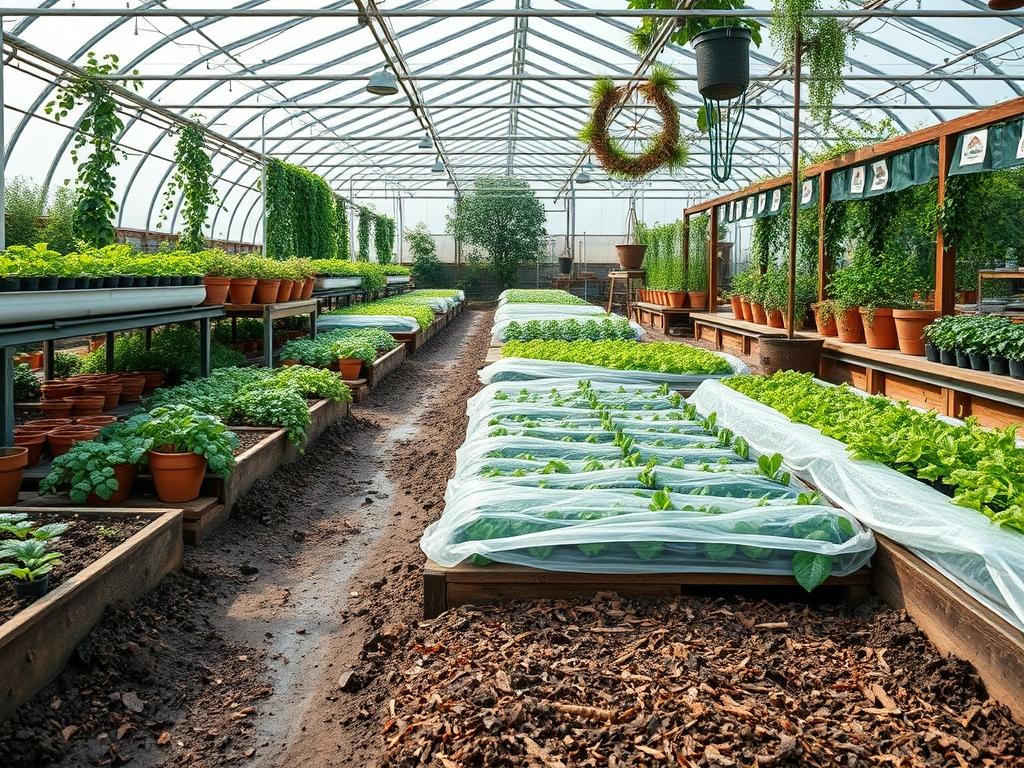
In the discipline of high-end landscape architecture, the preservation of plant health is as critical as the initial geometric layout. While hardscaping provides the skeleton of an outdoor environment, the softscape provides the movement and life. However, maintaining the pristine aesthetic of a planned garden often requires more than just irrigation and fertilization. Integrated Pest Management (IPM) is a pillar of professional site management, and Floating Row Covers represent one of the most effective, chemical-free strategies for protecting specimen plants. These covers are not merely functional barriers; they are precision tools that manage the microclimate around high-value plantings while preventing the aesthetic degradation caused by insect predation. When a landscape designer specifies a vegetable parterre or a cutting garden, the inclusion of protective covers ensures that the curb appeal is not compromised by skeletal leaves or stunted growth. Successful implementation requires an understanding of how these fabrics interact with light, moisture, and airflow within the broader outdoor room.
Professional landscape environments often face challenges from local wildlife and insect populations that view a well-maintained garden as an ideal habitat. In many climates, the window for growth is narrow, and a single infestation of cabbage moths or cucumber beetles can ruin a seasonal display in days. Floating Row Covers, typically made from spun-bonded polyester or polypropylene, offer a physical barrier that prevents these insects from ever reaching the foliage. Unlike chemical applications, which may wash away during a rain event or require specific temperature windows for efficacy, a mechanical barrier provides constant protection. It also addresses the functional goal of sustainability by reducing the need for synthetic pesticides, which can harm beneficial pollinators or leach into the surrounding groundwater. For the discerning homeowner, the use of these materials signifies a commitment to sophisticated, ecological stewardship of the land.
Landscape Design Principles
Integrating functional elements like Floating Row Covers into a residential or commercial landscape requires a keen eye for visual balance and symmetry. In formal garden layouts, the sudden appearance of white fabric can disrupt the intended focal points. To mitigate this, architects often design structured beds where the covers are supported by low-profile hoops or internal frames that maintain a uniform elevation across the bed. Symmetry is preserved by ensuring that if one section of a parterre is covered, the corresponding section on the opposite axis is treated similarly, or the covers are tucked behind taller boxwood hedges to obscure the material from the primary viewing angles of the house.
Elevation layers are crucial when planning for these installations. Because Floating Row Covers rest either directly on the foliage or on support structures, they occupy a specific vertical plane in the garden design. Designers must account for the ultimate height of the plants under the cover to ensure the fabric does not become a sagging eyesore. By using 1/2-inch PVC conduit or 9-gauge galvanized wire, architects can create clean, arched lines that mimic the geometry of the surrounding walkways. This transforms a temporary garden tool into a structural element that reflects the precision of the overall landscape. Furthermore, irrigation planning must account for the placement of these covers. Pre-installed drip irrigation lines are the gold standard here, as they allow water to reach the root zone without requiring the removal of the fabric, thus maintaining the seal against pests.
Plant and Material Selection
| Plant Type | Sun Exposure | Soil Needs | Water Demand | Growth Speed | Maintenance Level |
| :— | :— | :— | :— | :— | :— |
| Brassicas | Full Sun | Rich, Loamy | Moderate | Medium | High |
| Leafy Greens | Partial Shade | High Organic | Frequent | Fast | Moderate |
| Cucurbits | Full Sun | Well-Drained | High | Very Fast | High |
| Root Crops | Full Sun | Sandy, Loose | Moderate | Medium | Low |
| Transplants | Variable | Fertile, Soft | Critical | High | Very High |
Selecting the right material weight is as important as selecting the plant species themselves. Lightweight covers with approximately 85 percent light transmission are ideal for summer pest exclusion without causing heat stress. Conversely, heavyweight fabrics are utilized for frost protection, though they provide less light to the plants below. When selecting plants like Spinach or Kale, the goal is to block the entry of leaf miners and aphids while allowing enough UV penetration to ensure robust photosynthesis.
Implementation Strategy
The implementation of a professional-grade cover system begins with site grading and soil preparation. Before any fabric is laid, the garden bed must be perfectly level to prevent water from pooling on top of the covers, which can weigh down the fabric and crush delicate Seedlings. Once the soil is amended and the drip tape is laid, the perimeter should be defined with clean steel edging or retaining wall blocks to keep the transition between the garden bed and the lawn or walkway sharp.
To install the covers, first measure the width of the bed and add 12 inches on each side to account for anchoring. Place hoops at 3-foot intervals along the length of the bed, pushing them at least 6 inches into the soil to ensure stability against wind. Drape the Floating Row Cover over the hoops, ensuring it is taut but not overly stretched. Secure the edges using sandbags, timber lengths, or professional landscape pins every 2 feet. Avoid using jagged rocks or heavy bricks that can tear the fabric or create an unkempt appearance. For a cleaner look, bury the edges of the fabric in a shallow trench and cover them with a thin layer of hardwood mulch, which hides the anchoring points while providing a seamless transition to the surrounding landscape.
Common Landscaping Failures
A frequent mistake in garden planning is failing to account for drainage when using protective fabrics. If the bed is not properly graded, water can collect under the cover, leading to high humidity and fungal outbreaks like powdery mildew. Soil compaction is another risk; often, gardeners step into the beds to adjust the covers, which crushes the soil structure and limits oxygen to the roots. To prevent this, architects design wide flagstone walkways or gravel paths that allow full access to the garden beds from the perimeter, ensuring the soil remains light and airy.
Root overcrowding and improper spacing are also common issues. Because Floating Row Covers create a slightly warmer microclimate, plants might grow faster than expected. If they are spaced too closely, the lack of airflow combined with the trapped heat can lead to rapid pest reproduction if even a single insect manages to breach the barrier. Finally, irrigation inefficiencies occur when designers rely on overhead sprinklers. Spun-bonded fabric can deflect a significant percentage of overhead water, leaving the soil beneath bone dry despite the appearance of a thorough watering. Always prioritize sub-surface irrigation when covers are part of the long-term management plan.
Seasonal Maintenance
Spring is the primary season for deployment. As the soil warms, the first wave of pests emerges. Installing Floating Row Covers immediately after transplanting young starts provides them with a stable environment during the volatile spring weather. This is also the time to check for any tears in the fabric incurred during winter storage. Small holes can be patched with outdoor-rated adhesive tape or sewn with UV-resistant thread to maintain the integrity of the insect barrier.
During the summer, the focus shifts to heat management. On particularly hot days, it may be necessary to vent the covers by lifting the ends for a few hours in the early morning. If the plants require pollination, such as Squash or Cucumbers, the covers must be removed once flowers appear to allow bees access. In autumn, the covers serve a dual purpose by blocking late-season pests and protecting the harvest from early frosts. Once the growing season concludes, all hoops and fabric should be cleaned with a mild soap solution, dried thoroughly to prevent mold, and stored in a rodent-proof container within a shed or garage to ensure they are ready for the following year.
Professional Landscaping FAQ
What is the best weight for insect protection?
For most pest control, a lightweight fabric of approximately 0.5 ounces per square yard is ideal. This weight allows for maximum light transmission and airflow while remaining dense enough to block even small insects like aphids or thrips.
Can I leave covers on during the entire day?
Yes, Floating Row Covers are designed to remain in place 24/7. They allow sunlight and rain to pass through, creating a consistent environment. Only remove them if the plants require insect pollination to produce fruit or if temperatures exceed 85 degrees.
How do I prevent the fabric from blowing away?
Secure the perimeter using U-shaped landscape staples or weighted bags. For a more permanent aesthetic, professional installers often use a tension-wire system or heavy timber framing around the base of the bed to clamp the fabric firmly in place.
Do these covers prevent fungal diseases?
While they block insects, they can actually increase the risk of fungi if airflow is restricted. Ensure you choose a breathable material and maintain proper plant spacing to allow air to circulate freely beneath the fabric, especially in humid coastal climates.
How long does a professional row cover last?
High-quality UV-stabilized covers typically last two to three seasons with proper care. To maximize longevity, avoid dragging the material across sharp rocks, and always store it in a dry, dark location during the off-season to prevent sun degradation.