
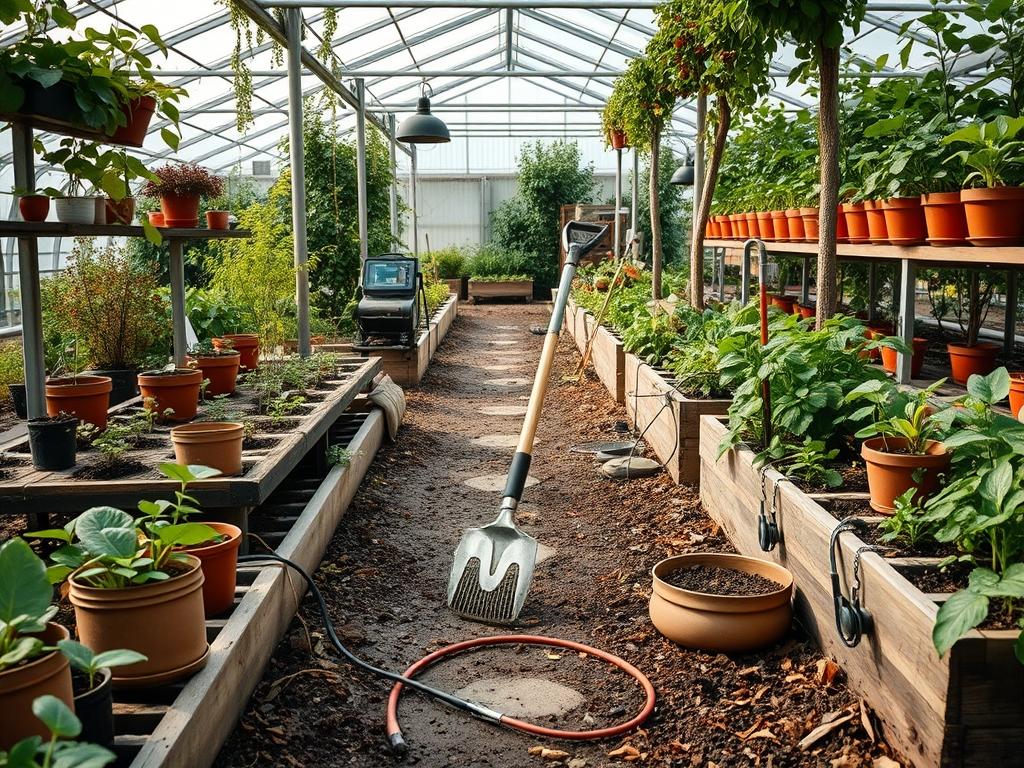
Maintaining a high caliber landscape requires a synthesis of aesthetic vision and rigorous biological management. While many homeowners and developers focus on the immediate gratification of lush greenery and crisp architectural lines, the long term health of an outdoor environment often rests on the microscopic level. Pathogens such as fungi, bacteria, and viruses can transform a vibrant focal point into a liability within a single growing season. This is where the practice of garden tool sanitation becomes a non-negotiable component of professional landscape stewardship. By treating tools like pruning shears, loppers, and spades with the same sterility one might expect in a medical environment, we protect the significant financial investment inherent in premium plant specimens and hardscape integrations. In diverse climates, where humidity or excessive rainfall can accelerate the spread of spores, the cleanliness of your equipment dictates the longevity of your curb appeal.
Every landscape design should serve a functional purpose while enhancing the overall value of the property. When designing these spaces, we consider the transition from the interior to the exterior, ensuring the outdoor living area feels like an extension of the home. However, functionality is compromised when disease vectors are introduced via contaminated steel. A single cut from a dirty bypass pruner can introduce fire blight or oak wilt, diseases that move rapidly through the vascular systems of even the most mature trees. Ensuring that your maintenance routine includes disinfecting tools between different plants, and certainly between different properties, is the most effective way to maintain the structural integrity and visual harmony of the site.
Landscape Design Principles
A successful landscape relies on established principles such as symmetry, focal points, and elevation layers to create a sense of movement and permanence. Symmetry provides a sense of formality and order, often achieved through the use of matched hedges or paired planters at entryways. However, symmetry is fragile. If one side of a symmetrical planting is compromised by a pathogen spread through unsterilized hedge trimmers, the entire visual balance of the facade is destroyed. Replacing a mature specimen to match its counterpart is often impossible, leading to a permanent gap in the design logic.
Focal points, such as a specimen Japanese Maple or a large multi-stemmed birch, are designed to draw the eye and provide a central anchor for the garden. These high value assets are particularly vulnerable to diseases like verticillium wilt, which can be harbored on the blades of hand saws or soil knives. Elevation layers, which involve the transition from groundcovers to mid-story shrubs and then to the canopy, also require careful planning. If disease strikes the groundcover layer due to contaminated hand trowels, it can create a microclimate of decay that eventually affects the root systems of the larger trees above. Proper irrigation planning also plays a role here; by minimizing overhead watering and ensuring tools are clean, we reduce the moisture and vector combination that fungi crave.
Plant and Material Selection
The following table outlines common plants used in high end landscape designs and their specific requirements. Note that even the most resilient species require healthy soil environments free from introduced pathogens.
| Plant Type | Sun Exposure | Soil Needs | Water Demand | Growth Speed | Maintenance Level |
| :— | :— | :— | :— | :— | :— |
| Buxus sempervirens | Full to Partial | Well-drained, Loamy | Moderate | Slow | High (Pruning) |
| Echinacea purpurea | Full Sun | Sandy, Lean | Low | Medium | Low |
| Lavandula angustifolia | Full Sun | Rocky, Alkaline | Low | Medium | Moderate |
| Acer palmatum | Partial Shade | Slightly Acidic | Moderate | Slow | Moderate |
| Pennisetum alopecuroides | Full Sun | Adaptable | Low | Fast | Low |
| Taxus baccata | Sun to Shade | Moist, Well-drained | Moderate | Slow | High |
Selecting the right materials extends beyond plants to the mulch, retaining walls, and pavers used in the hardscape. Organic cedar mulch or pine bark is excellent for moisture retention, but it can also hide fungal spores. This makes the sanitation of shovels and rakes used to spread these materials vital for preventing the migration of soil borne illnesses to new areas of the garden.
Implementation Strategy
The transition from a design on paper to a physical environment requires a tactical implementation strategy. It begins with grading and drainage. Before any plants go into the ground, the site must be surveyed to ensure water moves away from the foundation and does not pool in planting beds. Poor drainage creates an anaerobic environment that weakens roots, making them far more susceptible to the pathogens often spread by dirty garden forks during the planting process.
Once grading is complete, we establish the layout of the hardscaping. Retaining walls are installed to manage elevation changes and create planting pockets. When these structures are in place, we focus on edging to create clean definitions between turf and garden beds. During the planting phase, it is essential to use sanitized post hole diggers and transplanting spades. A common mistake is using the same tool to remove a diseased plant and then immediately using it to plant a new, healthy one without a cleaning interval. We recommend a solution of 70% isopropyl alcohol or a 10% bleach dilution to wipe down metal surfaces. This step should be performed at the start of each day and between every major plant group to ensure the new landscape starts with a clean biological slate.
Common Landscaping Failures
The most frequent failures in professional landscaping are often the result of neglecting the fundamentals of plant health. Root overcrowding is a primary culprit; when plants are spaced too closely for an immediate full look, they quickly compete for nutrients and airflow. Poor airflow creates a humid microclimate that is an incubator for powdery mildew. If the maintenance crew uses the same shears on every plant in a crowded row, they act as an efficient delivery system for the disease.
Another common failure involves soil compaction and irrigation inefficiencies. Heavy foot traffic or machinery can crush the pore spaces in the soil, leading to poor oxygen exchange. When these stressed plants are then subjected to over-irrigation, root rot becomes inevitable. If a landscape architect or gardener uses a soil probe to check moisture levels without cleaning it between locations, they can transfer pathogens from a rotted area to a healthy one. These failures show that garden tool sanitation is not just a cleaning task, but a vital component of site management and risk mitigation.
Seasonal Maintenance
Landscape management is a year-round commitment that changes with the cycles of the environment. In the spring, the focus is on pruning dead wood and preparing beds. This is the highest risk time for disease transmission as the new growth is tender and sap is flowing. Always clean hand pruners after each cut on a suspicious branch. During the summer, maintenance focuses on irrigation and deadheading flowers. Using clean snips for deadheading ensures that the open wounds on the plant heal quickly without infection.
Autumn involves the removal of leaf litter and the dividing of perennials. Division knives and spades move through a significant amount of soil and root matter, making them prime candidates for thorough sanitation before storage. Finally, winter is the season for tool refurbishment. All shovels, picks, and blades should be scrubbed of debris, sharpened, and oiled to prevent rust. This dormant period is the perfect time to evaluate the health of the landscape and plan for any necessary soil amendments or structural changes for the coming year.
Professional Landscaping FAQ
How often should I sanitize my pruning tools?
You should sanitize your pruning shears and saws between every individual tree or shrub. If you are working on a plant that shows active signs of disease, such as cankers or blighted leaves, sanitize the blades after every single cut.
What is the best solution for disinfecting garden equipment?
A solution of 70% isopropyl alcohol is the most effective and least corrosive option for most metal tools. You can also use a mixture of one part bleach to nine parts water, though you must rinse and oil tools afterward.
Can dirty tools affect my lawn health?
Yes, mower blades and thatching rakes can spread fungal infections like dollar spot or brown patch across an entire property. It is important to clean the underside of mower decks and the blades after mowing a lawn with visible yellowing or spots.
Does mulch depth help prevent the spread of disease?
Proper mulch depth of 2 to 3 inches helps suppress weeds and retain moisture, but over-mulching can cause trunk rot. Using a clean pitchfork to spread mulch ensures you aren’t introducing pathogens into the fresh organic layer at the plant base.
Why is drainage important for disease prevention?
Standing water creates stress for most plant species, weakening their natural immune responses. Pathogenic spores thrive in damp conditions, and unsterilized shovels used in wet soil can easily transport these organisms to other areas where they can take hold more easily.