
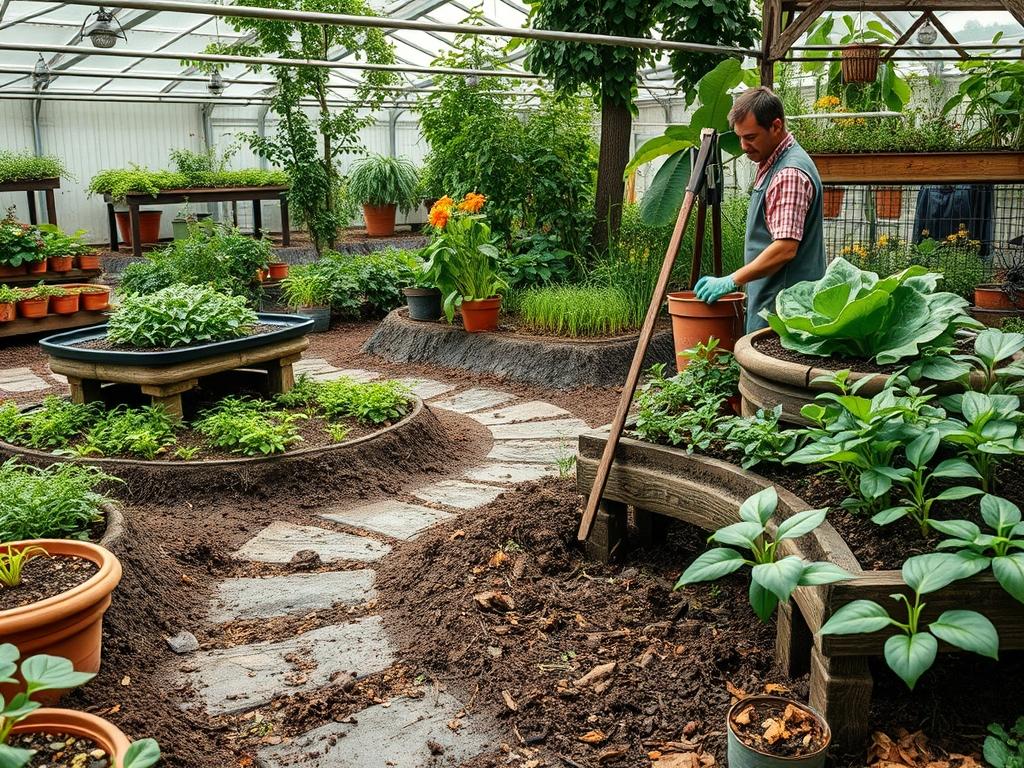
The foundation of a high performance landscape begins months before the first shovel hits the ground. For professional designers and homeowners alike, the transition from seed to site is fraught with biological risks. Achieving a pristine aesthetic with high curb appeal requires robust plant health, which starts with the elimination of soilborne pathogens, weed seeds, and harmful larvae. Sterilizing garden soil serves as a critical preventative measure in the broader landscape design process. By ensuring that seed starting media is free from contaminants, we protect the investment in expensive cultivars and reduce the long term maintenance requirements of the outdoor environment. This process is not merely about cleanliness; it is about establishing a controlled baseline for growth that allows the intended design to manifest without the interference of invasive species or fungal blight. When we plan a garden, we are managing an ecosystem, and starting with a blank biological slate in our seed trays is the most reliable way to ensure that the mature landscape reflects the original vision of the architect.
The most effective method for sterilizing garden soil for small scale seed starting is the oven heating technique. To begin, place moist, loose soil in a deep baking pan, ensuring it is no more than 4 inches deep. Cover the pan tightly with aluminum foil. Insert a meat thermometer through the foil into the center of the soil mass. Heat the oven to a temperature between 180 degrees Fahrenheit and 200 degrees Fahrenheit. It is vital not to exceed 200 degrees Fahrenheit, as excessively high temperatures can release toxins and destroy the organic structure of the soil. Once the internal temperature of the soil reaches 180 degrees Fahrenheit, hold it at that level for 30 minutes. This duration is sufficient to kill most pathogens, including those responsible for damping off, while leaving the soil safe for immediate use once cooled.
For larger landscape applications where indoor heating is impractical, soil solarization is the preferred professional standard. This method utilizes the power of the sun to pasteurize the top layers of an entire planting bed. After the site has been cleared and leveled to a 1 percent or 2 percent grade for drainage, the area is saturated with water. A clear 6 mil plastic sheet is then stretched tightly over the soil and anchored firmly at the edges with landscape staples or heavy stones. Over a period of 4 to 6 weeks during the peak of summer, the heat trapped beneath the plastic will reach levels high enough to eliminate soilborne pests and the majority of dormant weed seeds. This technique is particularly valuable for establishing wildflower meadows or large scale groundcover installations where hand weeding would be cost prohibitive.
Landscape Design Principles
A successful landscape design relies on the harmony between biological health and structural geometry. Symmetry is often the first principle we employ to create a sense of order and formality in the outdoor environment. By using sterilized soil to start identical specimens of Boxwood or Privet, we ensure uniform growth rates. This uniformity is essential for maintains the mirrored balance across a primary axis, such as a central walkway or a front entrance. Without sterilization, a single diseased plant can ruin the symmetry of a hedge line, creating a visual gap that is difficult to fill later with a plant of the same age and size.
Focal points and elevation layers add depth and interest to the design. We utilize retaining walls and raised beds to create vertical variation, which also provides an opportunity to use high quality, sterilized soil mixes in specific zones. Elevation layers should be planned with the tallest specimens at the back of the border, transitioning to mid sized shrubs, and ending with low growing perennials or groundcovers at the front. This layering not only treats the eye to a multi dimensional experience but also ensures that each plant receives the appropriate amount of sunlight and airflow. Proper irrigation planning must coincide with these layers; we often specify drip irrigation systems with 0.5 GPH emitters to deliver water directly to the root zones of these carefully cultivated plants, minimizing the moisture on the foliage that can lead to fungal outbreaks.
Plant and Material Selection
Selecting the right plant for the right place is the hallmark of professional consulting. The table below outlines several common selections that benefit greatly from being started in a controlled, sterile environment before being transplanted into the permanent landscape.
| Plant Type | Sun Exposure | Soil Needs | Water Demand | Growth Speed | Maintenance Level |
| :— | :— | :— | :— | :— | :— |
| Boxwood | Full Sun to Partial Shade | Well Drained Loam | Moderate | Slow | Medium |
| Lavender | Full Sun | Sandy, Gritty | Low | Moderate | Low |
| Hostas | Full Shade to Partial Shade | Humus Rich, Moist | High | Moderate | Low |
| Switchgrass | Full Sun | Adaptable | Low | Fast | Low |
| Daylilies | Full Sun to Partial Shade | Loamy | Moderate | Fast | Low |
| Creeping Thyme| Full Sun | Well Drained, Lean | Low | Fast | Low |
In addition to plant material, the choice of hardscape elements like crushed granite, river rock, or flagstone for walkways must complement the softscape. These materials provide the necessary contrast to the lush foliage of healthy, sterile started plants.
Implementation Strategy
The implementation phase begins with a detailed site analysis and the execution of a grading plan. We must ensure that water moves away from the foundation of the home and toward designated drainage areas or rain gardens. A minimum slope of 2 percent is standard for turf areas, while hardscape surfaces should have a 1 percent pitch. Once the grade is established, we use steel edging or aluminum bender board to define the crisp lines between turf and planting beds. This prevents the encroachment of grass into the sterile soil zones we have prepared.
After the structural elements are in place, the planting begins. Each hole should be excavated to twice the width of the root ball but no deeper than the existing soil level in the pot. This prevents settling, which can lead to crown rot. Once the plants are installed, we apply a 3 inch layer of shredded hardwood mulch or pine bark nuggets. This mulch layer serves multiple purposes: it retains soil moisture, regulates temperature, and provides a secondary barrier against any weed seeds that might blow into the site. We avoid the use of “volcano mulching” around the base of trees, as this can trap moisture against the bark and invite decay.
Common Landscaping Failures
One of the most frequent failures in residential landscaping is the neglect of soil drainage. Compaction, often caused by heavy machinery during construction, leaves the soil with no macropores for air and water movement. This results in a “bathtub effect” where even the healthiest, sterile started plants will eventually drown. To remediate this, we often recommend core aeration or the incorporation of expanded shale to improve the physical structure of the soil.
Another common mistake is improper spacing. It is tempting to plant closely for immediate impact, but this leads to root overcrowding and poor air circulation within a few seasons. Overcrowding increases the humidity around the foliage, which negates the benefits of using sterilized soil by creating a breeding ground for mildew and rust. Always respect the mature spread listed on the plant tag. Irrigation inefficiency is the final major pitfall. Overwatering is just as damaging as underwatering. Using a smart irrigation controller with weather sensing capabilities ensures that the landscape receives exactly what it needs based on real time evaporation rates.
Seasonal Maintenance
Landscape management is a year round commitment that changes with the seasons. In the spring, the focus is on rejuvenation. We remove the winter protection, prune any frost damaged limbs, and apply a slow release fertilizer with a 10-10-10 or 12-4-8 NPK ratio. This is also the time to refresh the mulch layers to maintain that 3 inch depth before the heat of summer arrives.
Summer maintenance is primarily about water management and monitoring for pests. Even with sterilized soil, the surrounding environment can introduce challenges. We check the drip lines for clogs and ensure the spray heads are properly aligned to avoid hitting the house or the fence. In the autumn, the focus shifts to cleanup and preparation for dormancy. We cut back perennials, rake leaves to prevent smothering the turf, and plant spring flowering bulbs. Winter is the season for structural pruning and hardscape inspection. We check for any shifting in retaining walls or gaps in mortared stone that may have been caused by freeze-thaw cycles.
Professional Landscaping FAQ
Why should I bother sterilizing soil for outdoor use?
Sterilization ensures that your young plants are not fighting pathogens or weeds during their most vulnerable stage. This leads to faster establishment and a more uniform look in the finished landscape design.
Does sterilizing soil kill the beneficial microbes?
Yes, heat sterilization is non selective. However, beneficial microbes will naturally recolonize the soil once the plants are moved outdoors. The temporary loss of “good” bacteria is worth the total elimination of destructive fungi and pests.
Can I use a microwave for soil sterilization?
Yes, for small volumes. Place moist soil in a microwave safe bag with the top open. Microwave on high for approximately 90 seconds per pound of soil. Use caution when removing, as the steam can cause burns.
How deep should my mulch layer be in a new garden?
A consistent 3 inch layer of organic mulch is ideal for most landscapes. This depth is sufficient to suppress weed growth and retain moisture without preventing oxygen from reaching the roots of your plants.
What is the best way to fix poor drainage in a bed?
The most effective way is to improve soil structure by adding organic matter or installing a French drain. Ensuring the site is graded at a 2 percent slope away from the planting area is also critical for success.