
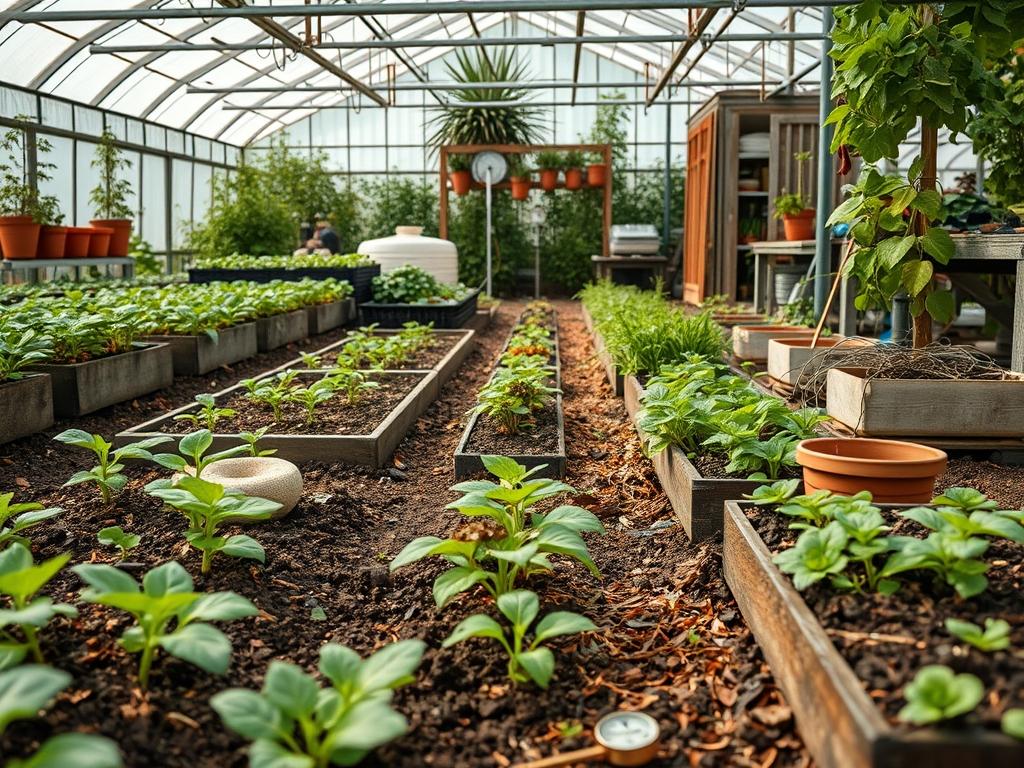
Landscape architecture today requires a holistic approach that balances human aesthetics with the preservation of fragile biodiversity. We often face the tension between rigorous pest management and the survival of essential pollinators. High curb appeal frequently relies on chemical treatments, yet the unintended consequences of chemical runoff and atmospheric drift can be catastrophic for local honeybee populations. As outdoor environment consultants, we view the property not just as a static visual asset, but as a living ecosystem where every grading choice and plant selection dictates the safety of the environment. Protecting bees from spray requires more than just careful application; it demands a structural redesign of how we manage water, wind, and vegetation boundaries. By integrating specific topographical features and strategic drainage systems, we can design outdoor environments that serve as both private sanctuaries and safe havens for pollinators.
Landscape Design Principles
Effective landscape design for pollinator protection begins with the concept of “spatial buffering.” This involves creating physical separations between areas requiring high maintenance and those intended for ecological health. We utilize hedgerows and vertical screening to serve as windbreaks, which significantly reduces the distance that chemical droplets travel through the air. Symmetry in the formal garden can still be achieved by using tiered retaining walls that act as containers for runoff. These structures allow the designer to control the direction of water flow, ensuring that any localized chemical application does not migrate into the lower elevation pollinator gardens.
Focus points should be established using native perennials that provide high caloric value to bees throughout the season. By layering the canopy, mid-story, and ground cover, we create a complex environment that offers multiple escape routes and nesting sites for bees. Elevation plays a critical role here; by placing critical bee habitats on higher ground or behind raised beds, we naturally protect them from the gravitational pull of chemical-laden runoff that settles in low-lying areas. Irrigation planning is also a pillar of this design. We prioritize drip irrigation over oscillating sprinklers to ensure that water is delivered directly to the root zone, preventing the aerosolization of any residual chemicals on the foliage.
Visual balance is achieved through the use of buffer strips consisting of tall grasses and dense shrubs. These strips act as biological filters, trapping particles and breaking down chemicals before they reach the sensitive core of the garden. When we design walkways, we opt for permeable pavers or crushed stone rather than solid concrete. This encourages vertical drainage into the soil profile where microbes can neutralize chemical residues, rather than allowing lateral sheet flow to carry toxins across the property.
Plant and Material Selection
Selecting the right materials is the difference between a high-maintenance hazard and a self-sustaining refuge. We prioritize plants that are naturally pest-resistant to reduce the need for intervention.
| Plant Type | Sun Exposure | Soil Needs | Water Demand | Growth Speed | Maintenance Level |
| :— | :— | :— | :— | :— | :— |
| Purple Coneflower | Full Sun | Well-drained | Moderate | Medium | Low |
| Lavender | Full Sun | Sandy/Gravelly | Low | Moderate | Medium |
| Bee Balm | Partial Shade | Moist/Rich | High | Fast | Moderate |
| Russian Sage | Full Sun | Dry/Alkaline | Low | Fast | Low |
| Serviceberry | Full Sun/Part Sun | Loamy | Moderate | Slow | Low |
| Switchgrass | Full Sun | Variable | Low | Fast | Minimal |
| Salvia | Full Sun | Well-drained | Moderate | Fast | Medium |
Beyond plants, the hardware of the landscape is equally vital. We specify non-treated cedar for raised beds to avoid heavy metal leaching. For mulch, we recommend double-shredded hardwood mulch at a depth of 3 inches. This thickness is optimal for moisture retention and chemical filtration without suffocating the root systems of the primary plantings.
Implementation Strategy
The implementation phase begins with professional grading. We establish a 2 percent slope away from any designated “no spray” zones to ensure that runoff is directed toward a rain garden or a bioswale. This topographical manipulation is the most effective way to prevent chemical migration. Once the sub-grade is set, we install edging using galvanized steel or heavy-duty poly to create a crisp boundary between turf areas, which may require more intensive management, and pollinator beds.
Next, we address the soil structure. If the site has high clay content, we incorporate organic compost and expanded shale to improve porosity. This ensures that any “spray” that hits the ground is absorbed quickly rather than sitting on the surface. During the hardscaping phase, we install French drains in areas where water tends to pool. These drains are lined with geotextile fabric and filled with 1-inch river rock to facilitate rapid subsurface movement.
Planting should follow the “Right Plant, Right Place” mantra. We cluster pollinator-friendly species in the center of the yard, surrounded by the aforementioned buffer plants. This “bullseye” layout ensures that even if a neighbor applies a chemical treatment, the drift must pass through several layers of non-flowering vegetation before it reaches the bees. We use hand-trowels for delicate transitions and power augers for large-scale tree installations to minimize soil compaction, which is a primary driver of poor drainage.
Common Landscaping Failures
The most frequent error in landscape management is the lack of a “drift plan.” Many homeowners apply treatments on windy days, failing to realize that a 5 mph breeze can carry fine mist over 20 feet from the target area. Another common failure is improper irrigation timing. Applying water immediately after a chemical treatment can wash the product off the leaves and into the groundwater, creating a toxic slurry for ground-nesting bees.
Root overcrowding is another technical oversight. When plants are spaced too closely, they compete for nutrients and become stressed, making them more susceptible to pests. This leads to a cycle of increased chemical use. We recommend following the maximum growth diameter specifications for every species. Soil compaction is also a silent killer; when the soil is packed tight by foot traffic or heavy machinery, it loses its ability to filter runoff, causing chemicals to “sheet” across the surface like water on glass. Finally, many fail to recognize “hidden chemicals” in pre-treated mulch or non-organic fertilizers, which can be just as harmful as direct sprays.
Seasonal Maintenance
Spring maintenance involves a delicate balance. We recommend leaving the “winter mess” until temperatures consistently stay above 50 degrees Fahrenheit. This protects bees that are still overwintering in hollow stems or under leaf litter. Once the season starts, we use shrub rakes to clear debris and check the integrity of irrigation emitters.
In summer, the focus shifts to hydration and timing. If pest control is absolutely necessary, it must be performed at dawn or dusk when bees are not active. We also suggest increasing the mowing height to 3.5 inches. Taller grass acts as a better filter for runoff and keeps the soil cooler, reducing the evaporation of systemic treatments into the air.
Autumn is the season for “seeding and strategy.” We leave flower heads on plants like Sedum and Coneflower to provide late-season forage. We also inspect the retaining walls and drainage outlets for any blockages caused by fallen leaves. This ensures that the winter rains do not cause localized flooding that could wash dormant chemicals into the soil.
Winter maintenance is primarily structural. It is the best time to prune deciduous trees and inspect the “bones” of the landscape. We check for soil erosion around retaining walls and plan for any layout changes that could better protect the bee population in the coming year.
Professional Landscaping FAQ
How does mulch help protect bees from spray runoff?
Double-shredded hardwood mulch acts as a biological filter. It absorbs liquid runoff and provides a surface area where beneficial microbes can break down chemical compounds before they reach the deeper soil where ground-nesting bees reside.
What is the best way to handle spray drift from neighbors?
Install a “functional border” using evergreen shrubs like Thuja Green Giant. These dense needle structures act as a physical screen, catching airborne droplets and preventing them from entering your pollinator-friendly zones.
Can drainage systems really reduce chemical exposure?
Yes. By using bioswales and permeable pavers, you direct runoff into the ground rather than across the surface. This filtration process uses the soil as a natural sieve, neutralizing many toxins before they impact the ecosystem.
Are there bee-safe ways to manage turf pests?
Focus on soil health using aeration and top-dressing with compost. A healthy lawn has fewer outbreaks. If treatment is needed, use spot treatments rather than broadcast sprays to limit the footprint of the chemicals.
Why is irrigation timing so critical for bee safety?
Watering shortly after chemical application causes “wash-off,” moving toxins into the root zone and nearby water sources. Conversely, watering before application can help the plant absorb systemic treatments more efficiently, reducing surface residue found on the foliage.