
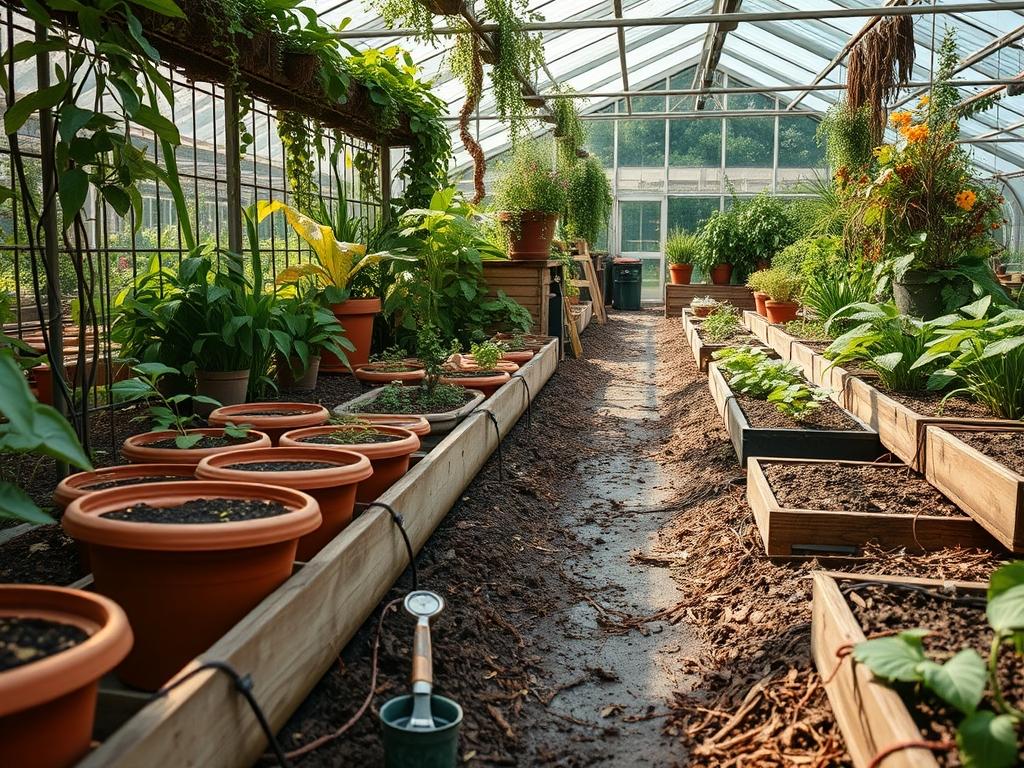
Developing a high-end landscape requires a perspective that extends beyond the initial installation. A master-planned environment begins with a vision of harmony between the built environment and the organic world. For residential and commercial properties, curb appeal often drives the initial investment; however, the long-term functionality and ecological longevity should never be sacrificed for immediate visual impact. A frequent challenge in the field of landscape architecture is managing the inevitable arrival of insects and pathogens without dismantling the delicate food chains that sustain a vibrant yard. This balance is precisely why Bird-Safe Pest Control is not merely an environmental preference, but a technical necessity. By choosing methods that protect avian visitors, property owners ensure that natural predators remain active. These predators perform the heavy lifting of insect management, reducing the reliance on aggressive chemical interventions that might otherwise damage soil health or contaminate local waterways. An integrated approach focuses on creating a resilient habitat where every plant and hardscape element serves a structural and biological purpose.
When we design for a specific climate, we must consider the site’s topography and how it interacts with local weather patterns. A property with significant elevation changes requires retaining walls and careful grading to prevent erosion while providing nesting sites for ground-dwelling beneficial species. Curb appeal is significantly enhanced when the landscape reflects a healthy, buzzing ecosystem rather than a sterile, over-treated plot of land. Using Bird-Safe Pest Control strategies allows a landscape architect to lean into natural processes, such as using Purple Martins or Bluebirds to manage flying insect populations. This reduces the need for noisy, expensive chemical fogging systems. The result is an outdoor living space that feels alive and welcoming; it becomes a sanctuary that functions as a cohesive biological unit.
Landscape Design Principles
Professional landscape design relies on a framework of symmetry and focal points to guide the eye and create a sense of order. We often use the concept of vertical layering to maximize the utility of a space. This involves starting with a canopy layer of Oak or Maple trees, followed by an understory of smaller flowering trees, then shrubs, and finally groundcovers. Each layer provides different niches for birds. For instance, a 20-foot tall canopy offers protection from hawks, while low-lying Juniper bushes provide winter cover. By designing with these layers, we establish a natural defense system where birds of various species patrol different heights of the garden for pests.
The placement of focal points, such as a large granite water feature or a sculptural Japanese Maple, should be balanced with functional elements like walkways and drip irrigation zones. Symmetry does not always mean a mirror image; rather, it refers to the visual weight of the objects on either side of a central axis. A dense cluster of Hydrangeas on the left may be balanced by an elegant wrought-iron bench and a specimen Dogwood on the right. Throughout this planning, we integrate irrigation systems that target the roots directly. Over-head watering can often lead to fungal issues and may disturb bird nests or feeding areas. Sub-surface emitter tubing is preferred as it maintains a dry foliage environment, which is less ship-shape for many common garden pests.
Visual balance also requires a thoughtful use of negative space. Not every square inch of the yard needs to be packed with flora. Open lawn areas or neat gravel paths provide a place for the eye to rest and also create foraging grounds for birds that eat ground-dwelling grubs. When we plan these areas, we ensure that the transition between the hardscape and the softscape is seamless, using steel edging to keep materials crisp and defined. This structural integrity makes the landscape look professional while the biological diversity keeps it healthy.
Plant and Material Selection
Selecting the right materials is the difference between a garden that thrives and one that requires constant, expensive life support. We prioritize native plants because they have co-evolved with local bird populations and are naturally resistant to regional pests.
| Plant Type | Sun Exposure | Soil Needs | Water Demand | Growth Speed | Maintenance Level |
| :— | :— | :— | :— | :— | :— |
| White Oak | Full Sun | Deep, Loamy | Moderate | Slow | Low |
| Purple Coneflower | Full Sun | Well Drained | Low | Fast | Low |
| Boxwood | Part Shade | Rich, Loamy | Moderate | Slow | Medium |
| Switchgrass | Full Sun | Sandy to Clay | Low | Medium | Low |
| Winterberry | Full/Part Sun | Acidic, Moist | High | Medium | Medium |
| Serviceberry | Full/Part Sun | Moist/Well Drained | Moderate | Medium | Low |
In addition to plants, the choice of mulch and hardscape materials matters. We recommend double-shredded hardwood mulch applied at a 3-inch depth. This material breaks down into the soil, improving its structure and providing a home for beneficial insects that birds love to eat. We avoid dyed mulches, which can contain chemicals harmful to avian respiratory systems. For walkways, using permeable pavers or natural flagstone allows rainwater to recharge the local aquifer, ensuring the entire ecosystem remains hydrated and resilient.
Implementation Strategy
The implementation of a professional landscape begins with site preparation. We start with grading to ensure that all water moves away from building foundations at a 2% slope. Once the sub-grade is established, we install drainage systems, such as French drains or catch basins, to handle heavy rainfall. This prevents stagnant water, which can become a breeding ground for mosquitoes. By managing water flow, we reduce the need for chemical mosquito treatments, which is a core tenant of Bird-Safe Pest Control.
After the structural drainage is in place, we layout the garden beds using a marking wand and measuring tape. We then amend the soil with organic compost to a depth of 6 inches. This creates a nutrient-rich environment for the root balls of our new plants. When planting a 15-gallon shrub or a 2-inch caliper tree, it is vital to dig a hole twice as wide as the root ball but no deeper. This prevents the plant from settling too low, which can lead to crown rot.
Once the plants are in the ground, we install the irrigation lines and then the edging. Steel edging provides a clean, permanent line between the lawn and the mulch beds. Finally, a layer of probiotic fertilizer is applied to stimulate microbial activity. This method supports a robust food web; healthy soil produces healthy plants, and healthy plants attract the birds that manage your aphids and beetles naturally.
Common Landscaping Failures
One of the most frequent mistakes seen in residential landscaping is improper irrigation timing. Watering in the evening keeps the foliage damp through the night, inviting powdery mildew and slug infestations. Instead, we advocate for early morning watering, which allows the leaves to dry quickly. Another common failure is root overcrowding. When designers pack plants too tightly for immediate “fullness,” the lack of airflow creates a microclimate for spider mites and scale insects. Correct spacing, based on the mature width of the plant, is essential for a low-maintenance garden.
Soil compaction is a silent killer of high-end landscapes. During construction, heavy machinery can crush the air pockets in the soil, preventing roots from breathing and water from penetrating. We use air spades or mechanical aerators to rectify this before planting. Furthermore, many homeowners apply high-nitrogen fertilizers that cause a flush of weak, succulent growth. This soft growth is a magnet for sap-sucking insects. By using slow-release organic nutrients, we encourage sturdier stems that are less attractive to pests and more resilient to wind and snow.
Lastly, the overuse of broad-spectrum pesticides is a major tactical error. These chemicals kill the beneficial predators, such as Ladybugs and Lacewings, alongside the pests. Once the predators are gone, the pest population often rebounds even stronger because there is nothing left to keep them in check. Shifting to Bird-Safe Pest Control prevents this cycle of dependency.
Seasonal Maintenance
Maintenance is a year-round commitment that changes with the seasons. In the Spring, the focus is on aeration and mulch replenishment. We check all irrigation heads to ensure they are not clogged and are hitting their targets correctly. This is also the time to apply pre-emergent weed control to garden beds, being careful to use products that are non-toxic to birds.
During the Summer, the priority shifts to hydration management and pest monitoring. We look for signs of stress in the foliage. Instead of reaching for a spray bottle at the first sign of a leaf spot, we assess the “economic threshold” of the damage. Often, if you wait a week, the Nuthatches or Warblers will find the infestation and take care of it for you.
In the Autumn, we focus on cleanliness and preparation. We prune dead or diseased branches from Maple and Oak trees using bypass pruners. However, we suggest leaving some seed heads on native perennials like Coneflowers to provide a winter food source for Goldfinches.
Winter maintenance involves protecting sensitive plants from frost and ensuring the hardscape stays clear of salt, which can be toxic to the soil. We use calcium magnesium acetate as a bird-safe de-icer. This season is also the best time for “dormant pruning” of large deciduous trees, as the structure of the branches is clearly visible, allowing for precise cuts that promote a strong canopy for next year’s nesting season.
Professional Landscaping FAQ
How does Bird-Safe Pest Control improve my lawn’s health?
By avoiding harsh chemicals, you preserve the population of earthworms and beneficial microbes. These organisms aerate the soil and break down thatch naturally. Birds then visit the lawn to eat grubs, providing a secondary layer of mechanical pest suppression.
What is the best way to prevent drainage issues?
Ensure a 2% slope away from your home and use French drains in low spots. Proper grading and using permeable materials for walkways allow water to infiltrate the ground rather than pooling and creating pest habitats.
Why are native plants better for the landscape?
Native plants like Viburnum and Serviceberry are adapted to local rainfall and soil. They require less supplemental water and are naturally resistant to local pests. They also provide the specific high-protein insects that local birds need to flourish.
How deep should my mulch layer be?
A 3-inch layer of hardwood mulch is ideal. It retains moisture and suppresses weeds while allowing oxygen to reach the soil. If it is too deep, it can suffocate roots; if too thin, it will not prevent weed seeds from germinating.
Can I have a beautiful garden without using chemical sprays?
Yes. By using integrated pest management and focusing on Bird-Safe Pest Control, you create a self-regulating ecosystem. Healthy plants, correct spacing, and attracting natural predators like Chickadees can manage 90% of garden pests without any synthetic intervention.