
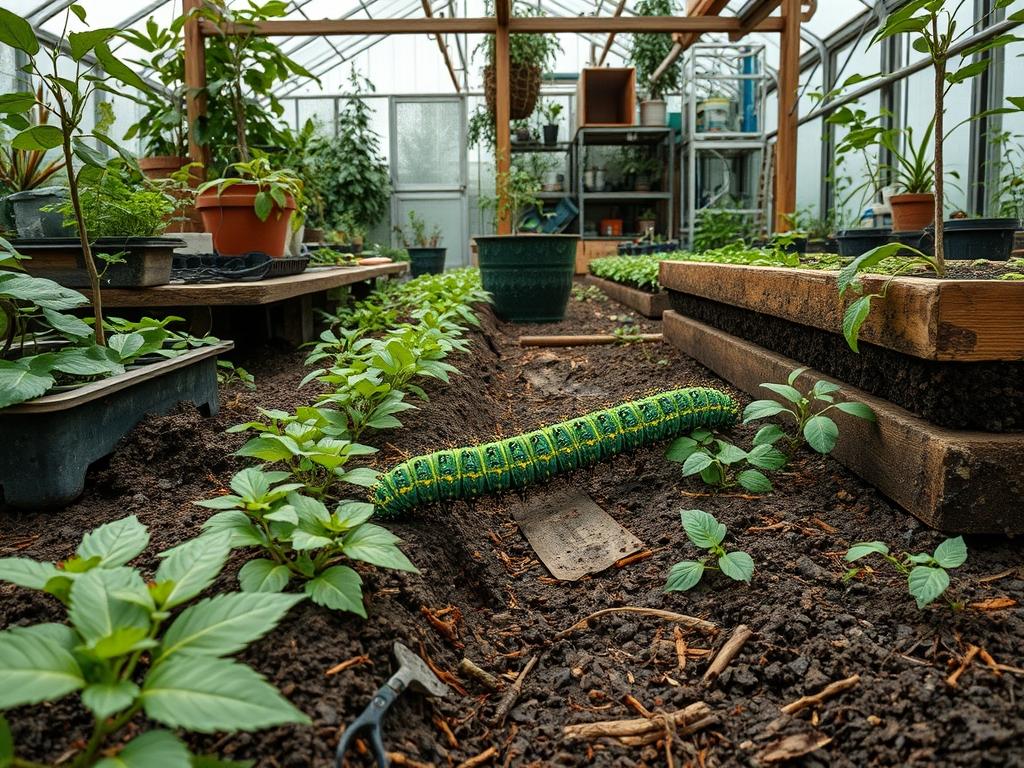
Maintaining the architectural integrity of a professional landscape requires more than just aesthetic selection; it demands a proactive approach to tree health and structural preservation. The arrival of spring often brings the emergence of the Eastern Tent Caterpillar, a pest that can rapidly diminish the curb appeal of a well-curated environment. These insects construct highly visible, silk-like nests in the crotches of branches, which can transform a stunning specimen tree into a source of visual distress. From a landscape architecture perspective, the presence of these nests disrupts the clean lines and textures of the canopy, signaling a lack of maintenance that may negatively affect property valuation. Ensuring that functional outdoor spaces remains clear of such infestations involves a blend of ecological understanding and strategic site management. By prioritizing the health of the canopy, designers and property owners can protect their long term investment in the living elements of the outdoor environment.
Landscape Design Principles
In the realm of high-end landscape design, the concept of symmetry and visual balance often dictates the placement of focal points. When a specimen tree, such as a Crabapple or Purple Leaf Plum, serves as the primary anchor for a garden bed, any structural damage or defoliation caused by the Eastern Tent Caterpillar becomes immediately apparent. To mitigate these risks, architects must consider the spatial distribution of host plants. Grouping susceptible species together can create a buffet for pests, potentially leading to a localized outbreak that overwhelms the landscape maintenance team. Instead, designers should aim for a diverse plant palette that breaks up potential pest pathways.
Elevation layers also play a critical role in how we perceive and manage tree health. In a multi-tiered garden, trees located at higher elevations or on retaining walls are often more exposed to the elements and easier for inspectors to observe. Conversely, trees tucked into lower drainage areas or dense groves may hide developing nests until they are large enough to cause significant defoliation. Incorporating wide walkways and structured access points around the perimeter of the root zone allows for regular scouting. If a Pole Pruner or Hand Saw is needed to remove an infested branch, the design must provide enough clearance for maintenance crews to operate without damaging the surrounding understory. Visual balance is not just about the placement of plants, but about the ease with which those plants can be cared for throughout their lifespan.
Plant and Material Selection
Selecting the right materials for a landscape involves balancing aesthetic goals with the biological realities of the local climate. Below is a selection of commonly used plants in northern and temperate designs, along with their susceptibility to common pests and their general growth requirements.
| Plant Type | Sun Exposure | Soil Needs | Water Demand | Growth Speed | Maintenance Level |
| :— | :— | :— | :— | :— | :— |
| Black Cherry | Full Sun | Well-drained, acidic | Moderate | Fast | High (Pest Magnet) |
| Flowering Crabapple | Full Sun | Loamy, moist | Moderate | Moderate | Moderate |
| Serviceberry | Full Sun to Partial Shade | Moist, acidic | Low to Moderate | Moderate | Low |
| Red Maple | Full Sun to Partial Shade | Moist to Wet | High | Fast | Moderate |
| White Oak | Full Sun | Deep, well-drained | Moderate | Slow | Low |
| English Ivy | Shade to Partial Sun | Adaptable | Low | Fast | High |
By utilizing more resilient species like the White Oak or Serviceberry, a designer can reduce the overall risk of a major Eastern Tent Caterpillar infestation while still achieving a lush, layered look.
Implementation Strategy
Developing a robust garden layout requires a systematic approach to site preparation and long term care. The first step in any implementation is proper grading and drainage. Trees stressed by standing water or excessively dry soil are more vulnerable to pest pressures like the Eastern Tent Caterpillar. Ensuring that the soil transitions seamlessly into the lawn or hardscape via a defined Metal Edging or Stone Border prevents lawn equipment from damaging the bark, which can provide an entry point for other pathogens.
When planting susceptible species, the application of Hardwood Mulch at a depth of 2 to 3 inches is standard practice. This helps retain moisture and regulate soil temperature, promoting a vigorous immune response within the tree. However, it is vital to avoid volcano mulching, where the material is piled against the trunk. This trapped moisture can cause decay at the base of the tree.
For the removal of the Eastern Tent Caterpillar, a mechanical approach is often the most effective. In the early spring, as temperatures rise, inspectors should look for small, shiny, dark brown egg masses that look like dried foam wrapped around small twigs. Pruning these out before they hatch is the most efficient prevention strategy. If nests have already formed, they should be removed during the early morning or evening when the caterpillars are concentrated inside the silk structure. Using a Sturdy Branch or a Brush, the nest can be wound up and pulled out of the tree. The material should then be dropped into a bucket of Soapy Water to ensure the larvae do not crawl back to the canopy. Chemical treatments like Bacillus thuringiensis (Bt) can be applied to the foliage, which the caterpillars consume, providing a targeted biological control that does not harm beneficial pollinators.
Common Landscaping Failures
One of the most frequent failures in residential and commercial landscapes is the lack of adequate airflow within the canopy. When trees are planted too closely together, or when the interior of a tree is not properly thinned, it creates a humid, protected environment that is ideal for Eastern Tent Caterpillar nests to thrive. Overcrowding of the root zone also leads to nutrient competition, which weakens the specimen. If a tree cannot produce enough energy to recover from defoliation, it may experience dieback in the following seasons.
Another common mistake involves irrigation inefficiencies. Over-irrigating a specimen tree can lead to soil compaction and root rot, particularly in heavy clay soils. On the other hand, neglecting a tree during a summer drought can leave it unable to store the necessary carbohydrates to survive the winter and push out new growth in the spring. Finally, many property owners fail to recognize the signs of infestation early enough. By the time the silk nests are large and unsightly, the caterpillars have often already consumed a significant portion of the surrounding leaves. Regular professional inspections are the only way to catch these issues before they impact the functionality and beauty of the outdoor environment.
Seasonal Maintenance
Landscape management is a year round commitment that changes with the cycles of the local environment.
Spring: This is the most critical time for monitoring. As the first buds appear, larvae hatch and begin building their nests. Mechanical removal should happen immediately. Applications of organic pesticides should be timed with the emergence of the first leaves.
Summer: Once the caterpillars have pupated and turned into moths, the focus shifts to recovery. Ensure trees that were defoliated receive consistent water and a light application of Slow-release Fertilizer to help them push a second flush of growth. Pruning dead wood that resulted from the infestation can also be done now.
Autumn: During the fall, the adult moths lay their egg masses on the small twigs of host trees. A thorough inspection of the canopy after the leaves have fallen will reveal these masses. This is the best time for preventative pruning.
Winter: While the landscape is dormant, it is an ideal time to assess the structural integrity of the trees. Without leaves, the architectural form of the tree is visible, allowing for corrective pruning that improves airflow. This proactive work reduces the number of optimal nesting sites for the following year.
Professional Landscaping FAQ
How can I tell the difference between tent caterpillars and webworms?
Eastern Tent Caterpillar nests appear in the spring and are always located in the crotches or forks of branches. Fall webworms appear much later in the season and create their nests at the very tips of the branches, enclosing leaves.
Will these caterpillars eventually kill my specimen trees?
Healthy, established trees can usually survive a single season of defoliation. However, repeated infestations over several years can stress a tree significantly, making it susceptible to secondary issues like wood-boring beetles or fungal diseases that could be fatal.
Is it safe to burn the nests while they are in the tree?
No, you should never attempt to burn the nests. The fire can easily damage the sensitive bark and cambium layer of the tree, causing far more permanent structural harm than the caterpillars themselves would have ever inflicted.
What is the best tool for egg mass removal?
Small Hand Pruners are the most effective tool for removing egg masses in the winter. Simply snip the small twig where the shiny, foam-like band is located and dispose of it away from the garden beds.
Are there any natural predators for these pests?
Yes, many native birds, such as cuckoos, will feed on the larvae. Additionally, several species of parasitic wasps and flies help control the population. Maintaining a biodiverse landscape encourages these natural enemies to stay on your property and assist in management.