
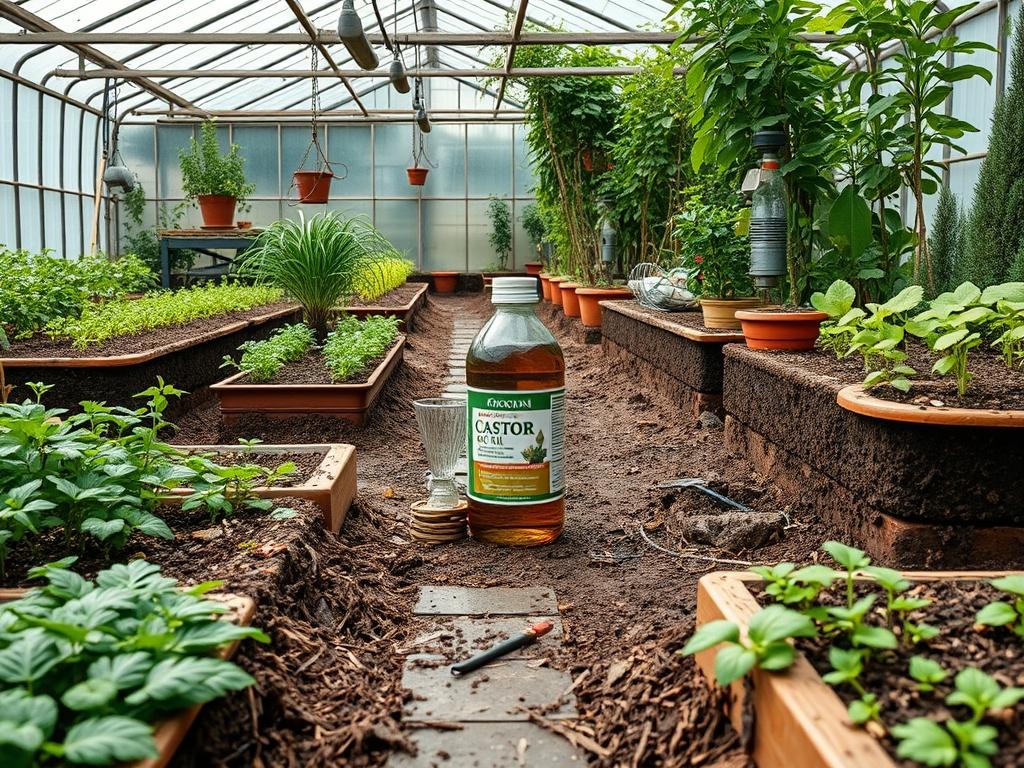
Maintaining the structural integrity of a professional landscape requires more than just aesthetic plant placement and regular mowing. When an outdoor environment suffers from sub-surface disruption, the visual symmetry and grading of the entire project are at risk. Moles represent one of the most persistent challenges for high-end turf management, as their tunneling behavior compromises the root systems of ornamental grasses and creates unsightly undulations in what should be a perfectly leveled vista. To preserve the investment of a curated garden, a landscape architect must address these subterranean pests with precision. Using Castor Oil for Moles has emerged as a preferred professional solution because it offers a non-toxic method to alter the habitat without introducing hazardous chemicals into the local ecosystem. This approach aligns with modern sustainable landscaping practices, where the goal is to repel rather than eradicate, ensuring the surrounding flora and beneficial soil organisms remain unharmed.
The presence of mounds and ridges indicates a significant infestation that can lead to secondary issues like soil erosion and moisture retention imbalances. A landscape that has been carefully graded to ensure proper runoff can be ruined by a series of tunnels that redirect water toward the foundation of a home or under retaining walls. When water collects in these voids, it can cause the soil to collapse, leading to permanent depressions that are difficult to remediate without full excavation. Therefore, integrating a repellent strategy into the broader site maintenance plan is essential for long-term stability. By applying a specialized castor oil solution, property owners can create an olfactory and gustatory barrier that encourages these mammals to relocate to wooded fringes or peripheral areas, effectively clearing the primary lawn area for functional and aesthetic use.
Landscape Design Principles
A professionally designed landscape relies on the cohesive interplay of symmetry, focal points, and elevation layers. When these elements are disrupted by uneven ground, the visual balance is instantly lost. Symmetry in a lawn is often achieved through a monoculture of high-quality fescue or zoysia grass, which requires a perfectly flat plane to catch the light evenly. Moles create shadows and textures that break this uniformity. To combat this, architects often design with focal points such as sculptures or specimen trees that draw the eye away from minor imperfections, but severe tunneling near the base of these features can destabilize the soil, leading to a leaning or sunken appearance.
Elevation layers are another critical component of a professional layout. In a tiered garden, retaining walls and slanted beds are used to create depth and interest. Moles are particularly attracted to the loose, well-aerated soil often found behind these walls. If the soil is not properly treated, the pressure from water accumulating in tunnels can increase the hydrostatic pressure against the back of the wall, leading to structural failure. Integrating Castor Oil for Moles into the irrigation planning ensures that the repellent is distributed evenly across these critical elevation changes. This creates a consistent barrier that protects the subterranean architecture of the garden.
Furthermore, walkways and hardscaping elements like pavers or flagstone require a compacted sub-base to prevent shifting. Moles can easily undermine these paths, causing stones to crack or tip. A proactive landscape architect will specify the treatment of the soil perimeter before the installation of hardscape materials. This serves as a preventative measure, ensuring that the visual balance and functional walkways remain intact for years. The use of focal points, combined with a vigorous turf management program, establishes a landscape that is both beautiful and structurally sound against biological disruptions.
Plant and Material Selection
The following table outlines common plants used in high-end landscaping that require protection from subsurface disruption. These species are often chosen for their aesthetic value but can be sensitive to root disturbances caused by tunneling.
| Plant Type | Sun Exposure | Soil Needs | Water Demand | Growth Speed | Maintenance Level |
| :— | :— | :— | :— | :— | :— |
| Kentucky Bluegrass | Full Sun | Rich, Loamy | High | Moderate | High |
| Japanese Maple | Partial Shade | Well-drained | Moderate | Slow | Medium |
| Boxwood Shrub | Full to Partial | Neutral pH | Moderate | Slow | Medium |
| Hosta | Full Shade | Moist, Organic | High | Moderate | Low |
| Creeping Thyme | Full Sun | Sandy, Lean | Low | Fast | Low |
| Lavender | Full Sun | Rocky, Dry | Low | Moderate | Medium |
Selecting the right materials extends beyond plants. Mulch selection plays a significant role in mole activity. Organic mulches like shredded hardwood or pine bark improve soil quality over time, which attracts earthworms, the primary food source for moles. In areas with high mole pressure, a designer might opt for river rock or crushed granite as a top-dressing to discourage surface tunneling. However, when organic beauty is required, the application of Castor Oil for Moles allows the use of rich soils without the inevitable pest invasion.
Implementation Strategy
The successful application of a landscape plan requires a step by step approach to site preparation and maintenance. Begin by assessing the grading of the property. Any low spots where water collects should be filled with a mixture of topsoil and sand to ensure a 2 percent slope away from structures. Once the site is graded, the edging should be installed to define the transition between turf and planting beds. Use steel edging or paver restraints buried at a depth of at least 6 inches to provide a physical deterrent to shallow-tunneling pests.
When it comes to the actual application of Castor Oil for Moles, the process must be meticulous to ensure total coverage. Create a concentrate using 6 ounces of 100% pure castor oil mixed with 2 tablespoons of phosphorus-free liquid dish soap. This soap acts as a surfactant, allowing the oil to mix with water and penetrate the soil profile more effectively. Add this concentrate to a hose-end sprayer and apply it to the lawn at a rate of approximately one gallon of mix per 1,000 square feet.
Timing is crucial. The best results occur when the soil is already moist from a recent rain, as this allows the oil to travel deeper into the earth where moles reside. After spraying the solution, run your irrigation system for approximately 20 minutes to wash the mixture into the root zone. Focus heavily on the perimeter of your property first, effectively pushing the moles toward the exits, rather than trapping them in the center of the lawn. Repeat this process every 30 days or after periods of heavy rainfall to maintain the scent barrier.
Common Landscaping Failures
Many projects fail not because of poor design, but because of improper execution and maintenance. One of the most common mistakes is poor drainage planning. If a lawn stays perpetually saturated, it becomes a breeding ground for grubs and worms, which are the main attractants for moles. Over-irrigation is a frequent culprit, leading to soil compaction and root rot. When the soil is too dense, moles are forced to the surface to find easier paths, resulting in more visible damage to the turf.
Another failure is root overcrowding. When plants are spaced too closely, their root systems compete for the same nutrients and water. This competition creates pockets of soft, aerated soil that moles find irresistible. Proper spacing, as per the horticultural specifications of the species, is vital. Furthermore, many homeowners fail to account for mulch depth. Applying more than 3 inches of mulch can stifle the soil and harbor pests. Finally, an inconsistent application of repellents like Castor Oil for Moles often leads to re-infestation. If the repellent barrier is broken even for a few weeks during the spring or fall when moles are most active, they will quickly re-establish their tunnel networks.
Seasonal Maintenance
Landscape management shifts with the transition of the seasons, each requiring a different focus to keep the environment pristine. In Spring, the priority is reviving the turf and applying the first round of Castor Oil for Moles. As the ground thaws and insects become active, moles begin their most aggressive tunneling. This is the time for core aeration to relieve winter compaction and allow the repellent to reach deeper soil layers.
During the Summer, focus on irrigation efficiency. Use moisture sensors to ensure the lawn receives exactly what it needs without over-saturating the earth. High heat can cause the castor oil to break down faster, so consistent monthly applications are necessary during these months. In Autumn, the goal is to prepare for dormancy. Apply a high-potassium fertilizer to strengthen roots and do a final application of mole repellent. Moles often dig deeper in the winter to escape the frost line, and a strong autumn treatment can discourage them from nesting under your lawn for the cold months.
In Winter, maintenance is largely passive. Avoid heavy foot traffic or equipment on frozen turf, as this can damage the crowns of the grass. Monitor for any late-season mounds that may appear during a thaw. While you cannot easily spray in freezing temperatures, you can plan your spring plantings and order your bulk materials so you are ready to implement your strategy as soon as the ground temperature rises above 40 degrees Fahrenheit.
Professional Landscaping FAQ
How does castor oil actually affect mole behavior?
The oil coats the earthworms and grubs that moles consume. It does not kill the moles but causes significant digestive distress and gives the insects an unpleasant scent, forcing the moles to seek forage in untreated areas outside your managed landscape.
Will castor oil damage my expensive ornamental plants?
No, castor oil is a natural vegetable oil that is safe for fescue, boxwoods, and other sensitive species. In fact, the surfactant used in the application can sometimes help the soil retain a more uniform moisture level around the root zone.
How often do I need to reapply the solution?
For maximum efficacy, reapply every 30 to 45 days. During periods of excessive rainfall, the oil may be leached from the soil more quickly, requiring a more frequent application schedule to maintain the integrity of the repellent barrier.
Can I use scented dish soap in the mixture?
It is best to use a clear, fragrance-free, and phosphate-free liquid soap. Strong artificial scents can sometimes attract other unwanted insects or interfere with the specific repellent properties of the castor oil that moles find so offensive.
Is this method safe for pets and children?
Yes, once the solution has been watered into the soil and the grass is dry to the touch, it is completely safe for pets and children to utilize the outdoor living space. It is a preferred organic alternative to toxic baits.