
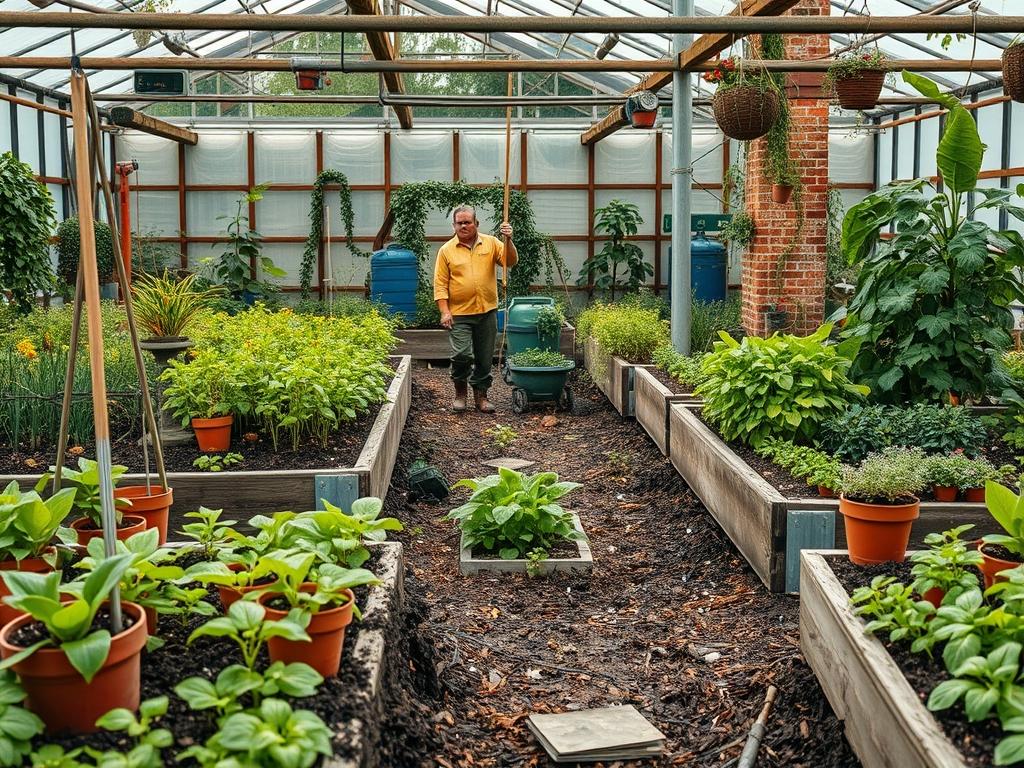
A well designed landscape is a living ecosystem that requires constant calibration to maintain its health and aesthetic value. Among the various challenges faced by property owners, the accumulation of organic debris remains a primary concern for both visual appeal and sanitation. Effectively managing garden trash is not merely about tidiness; it is a critical strategy to prevent rodent infestations and ensure the longevity of your outdoor investment. When leaves, fallen fruit, and wood scraps are left to decompose in haphazard piles, they create the perfect harborage for pests. These rodents not only damage delicate root systems but also pose a threat to the structural components of the home. A professional approach to landscape maintenance integrates waste management into the very fabric of the design, ensuring that every corner of the property remains functional, accessible, and free from unwanted guests.
Climate considerations play a significant role in how organic waste behaves. In humid environments, wet leaf litter can become a breeding ground for insects and snails, which in turn attract larger predators like rats. In arid climates, dry brush poses a fire hazard while still providing nesting material for mice. To achieve high level curb appeal and functionality, a landscape architect must look beyond the plants themselves and consider the lifecycle of the organic matter those plants produce. By establishing clear protocols for the removal and processing of waste, developers can create environments that are beautiful, safe, and resilient.
Landscape Design Principles
Professional landscaping begins with a clear understanding of symmetry and focal points. When a garden is designed with clean lines and intentional gaps, managing garden trash becomes significantly easier. Visual balance is achieved by ensuring that high density planting areas are offset by open, manageable spaces like walkways or manicured lawns. These open zones act as firebreaks against pest movement and make it impossible for debris to accumulate unnoticed. Focal points should be used to draw the eye to the most aesthetic parts of the garden, while functional areas such as compost bins or tool sheds should be strategically screened but still easily accessible for regular maintenance.
Elevation layers are equally important. By using retaining walls and terraced garden beds, a designer can control the flow of water and the movement of loose organic material. This prevent leaves and twigs from washing down into low lying areas where they might rot and attract rodents. Furthermore, the selection of hardscaping materials like flagstone or pavers for walkways ensures that there is a solid barrier between the soil and the pedestrian. This reduces the amount of mud and organic buildup that can occur near the home’s foundation. Proper irrigation planning also plays a role; by using drip irrigation instead of overhead sprinklers, you can keep the surface of the soil drier, which discourages the damp conditions that rodents prefer for their nesting sites.
Plant and Material Selection
Selecting the right plant palette is essential for a low maintenance, pest resistant landscape. Some species shed far more litter than others, which directly impacts the workload associated with managing garden trash.
| Plant Type | Sun Exposure | Soil Needs | Water Demand | Growth Speed | Maintenance Level |
| :— | :— | :— | :— | :— | :— |
| Lavender (Lavandula) | Full Sun | Well-drained | Low | Moderate | Low |
| Boxwood (Buxus) | Full/Partial | Loamy/Neutral | Moderate | Slow | Moderate |
| Switchgrass (Panicum) | Full Sun | Adaptable | Low | Fast | Low |
| Creeping Thyme | Full Sun | Sandy/Gritty | Low | Fast | Low |
| Japanese Maple | Partial Shade | Acidic/Moist | Moderate | Slow | Moderate |
| Yew (Taxus) | Shade/Full | Any/Well-drained | Moderate | Slow | Low |
Implementation Strategy
The successful execution of a pest resistant landscape design requires a methodical approach to backyard layout. The first step is grading. Ground surfaces must be sloped away from the home at a minimum of 2 percent to ensure that water does not pool near the foundation. Standing water is an invitation for rodents and insects alike. Once the grade is established, designers should implement sharp steel edging or concrete curbing to define the borders between turf and planting beds. This creates a physical barrier that keeps mulch and organic debris contained, making it easier to sweep or blow away excess trash.
Mulch depth is a critical factor in managing garden trash. While 3 inches of mulch is often recommended for moisture retention, anything deeper can provide a cavernous home for small mammals. Using cedar mulch is a professional preference because its natural oils act as a mild repellent to certain insects and pests. Beneath the mulch, a layer of landscape fabric can prevent rodents from easily burrowing into the soft soil of a garden bed. When placing larger boulders or hardscaping elements, ensure they are set into the ground rather than resting on top of the soil, which eliminates the small gaps that mice use for shelter. Finally, always maintain a 12 inch clearance between the edge of the vegetation and the siding of the house. This air gap is a fundamental rule in professional landscaping to prevent pests from jumping directly onto the structure of the home.
Common Landscaping Failures
One of the most frequent mistakes in residential landscaping is root overcrowding and improper spacing. When plants are installed too close together, they eventually merge into a singular, tangled mass of foliage. This creates a dense canopy that prevents sunlight from reaching the ground, resulting in a damp, dark environment where organic trash accumulates and rodents thrive. Proper spacing must account for the mature width of the plant, not its size at the time of installation. Overcrowding also leads to soil compaction, as the lack of airflow and the weight of dense planting inhibit the natural movement of water through the earth.
Inlet and outlet drainage malfunctions are another common failure. If French drains or catch basins become clogged with garden trash, they can back up and create swampy conditions. This not only kills the plants due to root rot but also creates a reliable water source for rats. Furthermore, irrigation inefficiencies, such as broken sprinkler heads or leaking valves, create localized mud pits that are magnetic to pests. Regular audits of the irrigation controller and the physical delivery system are necessary to prevent these micro habitats from forming.
Seasonal Maintenance
Managing garden trash is a year round responsibility that shifts with the seasons. In the spring, the focus is on a total site cleanup. This involves removing any winter debris, cutting back spent perennials with bypass pruners, and refreshing the mulch layers. It is the time to inspect the foundation for any new gaps or burrows that may have appeared during the colder months. Ensuring that new growth is directed away from the home is a priority during this phase of rapid expansion.
Summer maintenance requires consistent leaf raking and the removal of fallen fruit or seeds. Most rodents are foragers that are attracted to calorie dense food sources; letting apples or berries sit on the lawn is a guarantee of a pest problem. During autumn, the workload shifts to managing the massive influx of fallen leaves. A professional landscaper uses a leaf blower to clear debris from the center of bushes and hard to reach corners, ensuring no thick mats of organic matter are left to rot over the winter. Finally, in the winter, the landscape should be kept as “lean” as possible. Dormant grasses should be trimmed, and any piles of firewood or building materials should be elevated at least 18 inches off the ground to eliminate potential nesting sites during the freezing months.
Professional Landscaping FAQ
How does mulch depth affect rodent activity?
Mulch deeper than 3 inches offers a warm, soft material for rodents to burrow and nest. Keep layers consistent and avoid “volcano mulching” around tree trunks, which provides concealment for pests.
What is the best way to dispose of garden waste?
Use a designated compost bin with a secure lid and a solid base. If you cannot manage a bin, utilize municipal green waste bins and ensure they are emptied weekly to prevent smell and attraction.
Can certain plants actually repel rodents?
While no plant is a total cure, species like Lavender, Peppermint, and Alliums have strong scents that rodents generally find unpleasant. These should be placed near entry points or along the perimeter of the garden.
Why is drainage important for pest control?
Rodents need a reliable water source to survive. Poor drainage creates puddles and high moisture zones in the soil, making your landscape an ideal habitat for colonies to grow and thrive.
Is it safe to leave a wood pile in the garden?
Wood piles are high risk areas for infestations. If you must store wood, keep it at least 20 feet from the house and elevate it on a metal rack to prevent contact with the soil.