
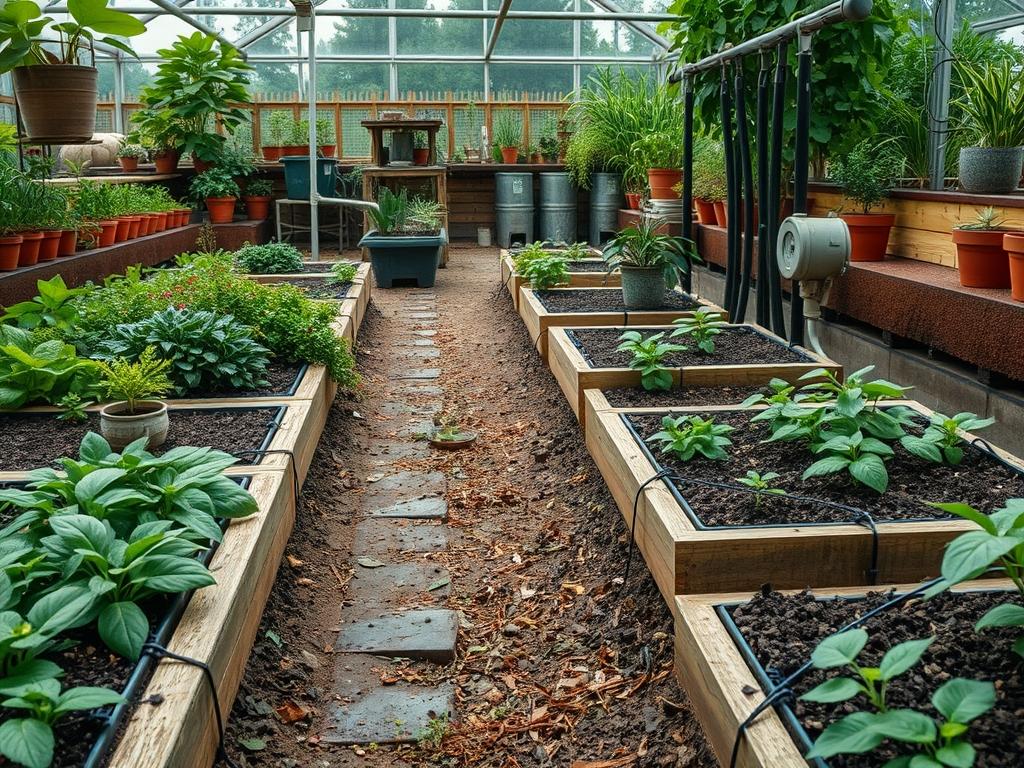
A professional landscape is more than a collection of aesthetic choices; it is a complex, living system that requires a balance between human desire and ecological reality. When we approach a new project, we prioritize site analysis, looking specifically at how the topography and existing flora interact with the built environment. One often overlooked aspect of this environmental stewardship is pest management, specifically regarding rodent populations. Integrating humane rat relocation into a landscape management plan is frequently superior to utilizing traditional poisons because poisons introduce toxins into the very soil we strive to enrich. A high-end garden should function as a sanctuary, but when chemical rodenticides are introduced, they ripple through the food web, potentially harming local owls, hawks, and domestic pets. By choosing humane relocation, we maintain the integrity of the ecosystem while clearing the way for a beautiful, functional outdoor living space.
Achieving high curb appeal and outdoor functionality requires a strategic focus on the movement of water, the stability of the earth, and the placement of structural elements. If a landscape is cluttered or poorly drained, it provides the perfect harbinger for pests. Effective landscape architecture mitigates these issues through meticulous planning of grading and sub-surface drainage. When we encounter an existing infestation during a renovation, we recommend humane relocation as the first step before construction begins. This ensures that the animals are moved to a suitable habitat without lingering chemical residues affecting the topsoil or the native plants we intend to install. This holistic approach ensures that the garden remains a healthy, vibrant extension of the home, free from the risks associated with industrial-strength toxins.
Landscape Design Principles
Modern landscape design relies on several core principles to create a cohesive environment. Symmetry and visual balance provide a sense of order, guiding the eye toward specific focal points such as a water feature or a curated sculpture garden. However, symmetry should not come at the expense of functionality. We use elevation layers to create depth, utilizing retaining walls built from natural limestone or stacked slate to manage slopes and prevent erosion. These structures must be planned with precision; if gaps are left in the stone veneer, they can become entry points for rodents. Humane rat relocation serves as a vital tool here, removing the inhabitants before sealing these structures to ensure the longevity of the hardscape.
Effective irrigation planning is another pillar of professional design. We typically specify drip irrigation systems over high-output sprinklers to deliver water directly to the root zones of ornamental grasses and shrubbery. This minimizes humidity at the surface level, which reduces the attractiveness of the area to unwanted pests. Walkways should be constructed with a solid base of crushed stone at least 4 inches deep to prevent shifting and burrowing. By ensuring the hardscape-to-softscape ratio is balanced, we create a landscape that is easy to navigate and maintain. Visual balance is achieved when the height of the perimeter hedging complements the scale of the residential architecture, creating a private retreat that feels both secure and expansive.
Plant and Material Selection
Choosing the right materials and flora is the most critical phase of the design process. Our selections are based on climate resilience and the ability to thrive in the specific microclimates of the property. Below is a selection of recommended plants that offer high aesthetic value and structural integrity.
| Plant Type | Sun Exposure | Soil Needs | Water Demand | Growth Speed | Maintenance Level |
| :— | :— | :— | :— | :— | :— |
| Boxwood (Buxus) | Full Sun to Part Shade | Well-drained, Loamy | Moderate | Slow | Medium |
| Lavender (Lavandula) | Full Sun | Sandy, Alkaline | Low | Moderate | Low |
| Blue Fescue (Festuca) | Full Sun | Poor to Average | Low | Moderate | Low |
| Dwarf Yaupon Holly | Full Sun to Part Shade | Adaptable | Moderate | Slow | Low |
| Creeping Thyme | Full Sun | Well-drained | Low | Fast | Very Low |
| Russian Sage | Full Sun | Dry, Well-drained | Low | Fast | Low |
In addition to plant life, we utilize high-quality materials such as polymeric sand for paver joints and geotextile fabric beneath gravel paths. Using a 3-inch layer of cedar mulch provides moisture retention and natural pest deterrence. Unlike chemical treatments, these physical barriers and natural materials support the long-term health of the soil microbes. When homeowners choose humane rat relocation over poisons, they protect the beneficial insects and birds that help manage the garden naturally.
Implementation Strategy
The transition from a design blueprint to a finished garden requires a methodical implementation strategy. We begin with a thorough site clearing, where we remove debris and old, rotted wood that might serve as a nesting site. If signs of rodent activity are present, we coordinate with relocation specialists at this stage. It is much more effective to relocate a population before the heavy machinery arrives and the grading process begins. Once the site is clear, we use a transit level to ensure the ground slopes away from the home at a minimum of 2 percent grade to facilitate proper drainage.
After grading, we install the hardscape infrastructure, including retaining walls and patios. We recommend using a Vibraplate compactor to ensure the base material is solid, preventing future settling. The irrigation lines are laid at a depth of at least 12 inches to protect them from mechanical damage. When it is time for planting, we use a hand auger or a sharpshooter shovel to create holes twice the width of the root ball. We finish the area with steel edging to provide a clean break between the lawn and the garden beds. This professional edging not only looks sharp but also acts as a minor deterrent for ground-dwelling pests by eliminating the soft, overgrown edges they prefer for travel.
Common Landscaping Failures
The most common failure in domestic landscaping is improper drainage. When water pools near the foundation or in low spots of the lawn, it creates a mud-slurry that weakens the roots of turfgrass and attracts pests. Another frequent mistake is root overcrowding. Designing for the “instant look” by planting shrubs too close together leads to poor air circulation and disease. As the plants grow, they become a dense, impenetrable mass that provides ideal cover for rodents. Professional planning accounts for the mature width of each species, ensuring that air and light can reach the interior of the plant.
Soil compaction is another silent killer of high-end landscapes. Heavy foot traffic or construction equipment can crush the air pockets in the soil, preventing oxygen and water from reaching tree roots. This stress makes the plants more susceptible to infestation. Furthermore, irrigation inefficiencies, such as broken heads or leaking valves, create consistent damp spots. These failures often lead homeowners to reach for quick fixes like poisons. However, address the root cause by fixing the drainage and opting for humane rat relocation. This restores the balance without introducing chemicals that can leach into the groundwater or damage the delicate pH of the planting beds.
Seasonal Maintenance
A landscape requires different care as the seasons shift. In the Spring, the focus is on core aeration and the application of a pre-emergent fertilizer. This is also the best time to inspect the hardscape for any signs of winter damage or new pest activity. In the Summer, maintenance shifts to irrigation monitoring and deadheading perennials. We recommend deep, infrequent watering during the early morning hours to keep plants resilient against heat stress.
Autumn is for cleanup. Removing fallen leaves and spent annuals is essential, as this debris creates a winter habitat for pests. We suggest a final mow at a lower blade height to prevent snow mold. In the Winter, the landscape is dormant, but the structural elements are on display. This is the time to prune deciduous trees and inspect retaining walls for cracks. By maintaining a clean, tidy landscape throughout the year, the need for any kind of pest intervention is minimized. When an issue does arise, humane rat relocation remains the professional choice to ensure the garden remains a safe, non-toxic environment for the following spring.
Professional Landscaping FAQ
Why should I avoid using rat poison in my garden?
Poisons create a risk of secondary toxicity for local wildlife and pets. They can also leach into the soil, negatively affecting the health of your ornamental plants and beneficial soil organisms that maintain a healthy ecosystem.
How does drainage impact pest management?
Standing water and damp soil provide a necessary resource for rodents. Proper grading and the installation of a French drain eliminate these water sources, making your property much less attractive to pests looking for a habitat.
Can I relocate rats myself after a landscaping project?
It is best to hire a professional. Professionals ensure the animals are moved to a location where they can survive without returning. This should be done during the site preparation phase to ensure a clean start for the new design.
What mulch is best for pest deterrence?
Cedar mulch is highly recommended by landscape architects. Its natural oils act as a deterrent for many insects and pests, while its fibrous texture provides excellent moisture retention for your shrubbery and flower beds.
How do I prevent rodents from nesting under my deck?
Install a hardware cloth screen at least 12 inches underground around the perimeter of the deck. This physical barrier, combined with a clean gravel base, prevents burrowing without the need for harmful chemical interventions.