
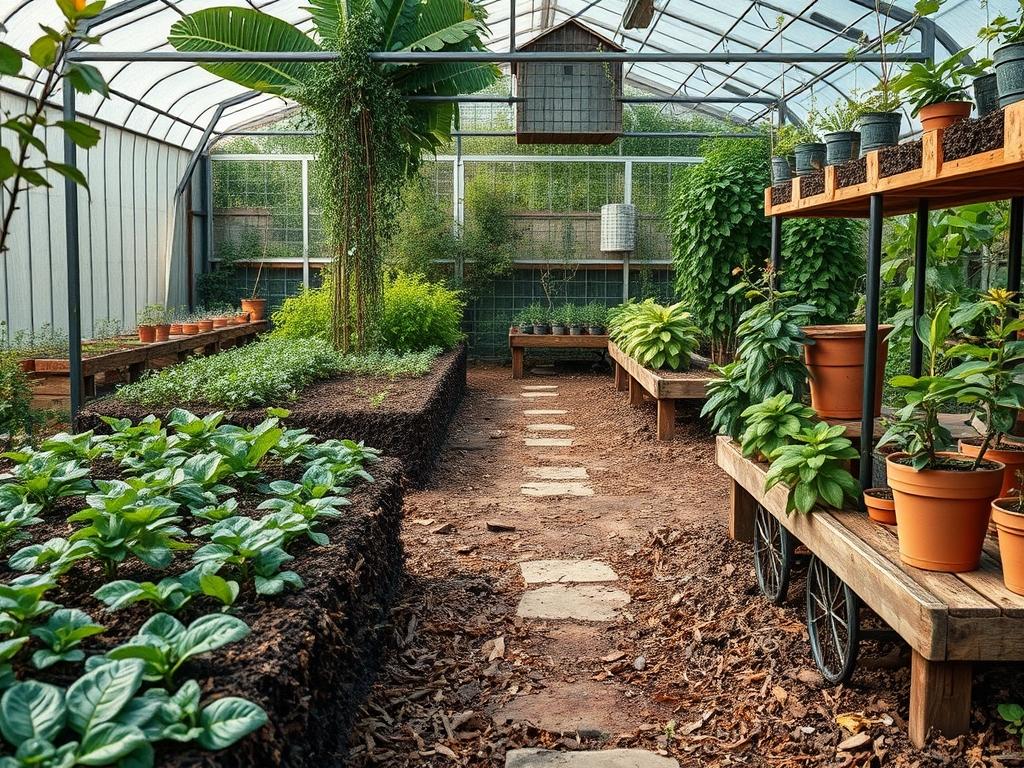
The structural integrity of a high end landscape often relies on the evergreen presence of the genus Ilex. These architectural plants provide the necessary skeletal framework for a garden, offering year round privacy, verdant backdrops, and essential winter interest. However, the introduction of the holly leafminer can compromise this aesthetic investment quite rapidly. As a landscape architect, I view the holly not just as a plant, but as a functional component of the outdoor living environment that defines spatial boundaries and enhances curb appeal. When the foliage becomes marred by the serpentine yellow or brown trails of the Phytomyza ilicicola larvae, the visual balance of the entire property suffers. Effective Holly Leafminer Prevention involves a multi faceted approach that begins with site analysis and extends through rigorous maintenance protocols. We must consider the microclimate of the site, as stressed plants in stagnant, humid air are far more susceptible to infestation than those in well ventilated, properly drained zones.
Landscape Design Principles
Successful landscape design requires a deep understanding of symmetry and focal points, but these artistic elements must be supported by biological health. When planning a garden that features American Holly or English Holly, the spatial hierarchy must allow for adequate airflow. Overcrowding plants is a primary mistake that creates a breeding ground for pests. By maintaining a distance of at least 5 to 8 feet between large holly specimens, you ensure that wind can move through the canopy, which reduces the humidity levels that leafminer flies prefer during their egg laying phase in late spring. Visual balance is achieved not just through the placement of these evergreens, but through the layering of elevation. Using Retaining Walls made of Natural Fieldstone or Cast Concrete Blocks can elevate holly plantings, providing better visibility for inspection and facilitating superior drainage and soil aeration.
Incorporating focal points requires the use of healthy, blemish free specimens. A holly tree that serves as a central anchor in a parterre garden loses its authority if its leaves are riddled with larval tunnels. Therefore, the design must include access points for maintenance. I recommend installing Flagstone Walkways or Gravel Paths around major plantings. These hardscape elements prevent soil compaction near the root zone, which is a common stressor that weakens the plant’s natural defenses. Furthermore, the use of Irrigation Planning—specifically Drip Irrigation Systems—ensures that moisture is delivered directly to the soil rather than the foliage. Keeping the leaves dry is a critical component of pest management and prevents the secondary fungal infections that often follow leafminer damage.
Plant and Material Selection
| Plant Type | Sun Exposure | Soil Needs | Water Demand | Growth Speed | Maintenance Level |
| :— | :— | :— | :— | :— | :— |
| Ilex opaca | Full Sun to Part Shade | Acidic, Well Drained | Moderate | Slow to Medium | Moderate |
| Ilex cornuta | Full Sun | Adaptable, High Heat Tolerance | Low to Moderate | Medium | Low |
| Ilex glabra | Full Sun to Part Shade | Moist, Acidic | High | Medium | Low to Moderate |
| Ilex x meserveae | Part Shade | Rich, Consistent Moisture | Moderate | Slow | High |
| Ilex vomitoria | Full Sun to Part Shade | Very Adaptable | Low | Fast | Low |
The selection of materials is just as vital as the plants themselves. When installing new hollies, we utilize Geotextile Fabric in specific drainage areas to prevent silt from clogging our French Drain systems. For mulching, Double Shredded Hardwood Mulch or Pine Bark Nuggets are preferred. A layer of 2 to 3 inches helps maintain soil temperature and moisture, but it must be kept a few inches away from the trunk to prevent bark rot.
Implementation Strategy
The implementation phase begins with professional grading. Proper site grading ensures that water moves away from the foundation and does not pool around the sensitive root systems of your hollies. We utilize a Laser Level to establish a minimum 2 percent slope in the planting beds. Once the grade is established, the layout moves to soil preparation. Hollies thrive in a pH range of 5.0 to 6.0. If the soil is too alkaline, we incorporate Elemental Sulfur or Peat Moss using a Power Tiller to a depth of 12 inches.
When the time comes for Holly Leafminer Prevention, the most effective strategy is a combination of sanitation and timing. During the spring, as the new growth begins, we monitor the undersides of leaves for the small, puncture like feeding marks made by the adult flies. If an infestation is detected, we deploy Yellow Sticky Traps to capture the adults before they can oviposit. For existing larvae, we recommend the application of a systemic insecticide containing Imidacloprid or Dinotefuran in early spring. This allows the chemical to be absorbed through the roots and distributed into the leaf tissue where the larvae feed.
Cleanup is the second half of the strategy. Because the larvae overwinter within the fallen leaves, site sanitation is non negotiable. Every autumn, all dropped foliage must be removed from the site using a Leaf Vacuum or Power Blower and destroyed. Do not compost these leaves, as the heat of a standard home compost pile is rarely sufficient to kill the larvae. After the area is cleared, apply a fresh layer of Bark Mulch to bury any remaining pupae, effectively preventing them from emerging the following spring.
Common Landscaping Failures
One of the most frequent failures I observe is improper irrigation. Setting a Pop-up Spray Head to hit the trunk of a holly directly leads to root crown rot and creates a humid microclimate that attracts the leafminer. Instead, use In-line Emitter Tubing to provide deep, infrequent watering that encourages deep root growth. Soil compaction is another silent killer. During construction, the use of heavy machinery can crush the soil structure, leading to poor drainage and oxygen deprivation. We solve this by using an Air Spade to incorporate Organic Compost into the root zone without damaging the delicate feeder roots.
Root overcrowding is also a significant concern. When hollies are planted too close to Concrete Foundations or Masonry Retaining Walls, their root expansion is limited. This stress manifests in the canopy, making the plant a beacon for pests. Always ensure that the planting hole is at least 2 to 3 times the width of the root ball to allow for lateral expansion. Finally, failing to prune correctly can lead to a dense, stagnant interior canopy. Use Bypass Pruners to perform thinning cuts, which allow light and air to penetrate the center of the shrub.
Seasonal Maintenance
Seasonal management is the hallmark of a professional outdoor environment. In the spring, the focus is on growth and prevention. We apply a Slow Release Acidic Fertilizer and begin monitoring for adult leafminer activity once the Hand-Lens reveals the first signs of leaf spotting. This is also the time to check the Irrigation Controller for proper scheduling as temperatures rise.
Summer maintenance involves moisture management and structural integrity. Ensure that the Mulch layer remains intact to prevent soil evaporation and weed competition. If the summer is particularly dry, supplemental watering is required to prevent the holly from dropping leaves prematurely, which can confuse the cleanup schedule.
Autumn is the critical period for Holly Leafminer Prevention through sanitation. As the weather cools, the removal of all organic debris around the base of the plants is the primary task. This is also an excellent time to plan for any structural additions, such as Steel Edging or Stone Borders, which help define the beds and keep the mulch contained.
Winter is the season for structural pruning and protection. We use Hedge Shears only for formal shapes, preferring Hand Pruners for a more natural, healthy look. Protecting the plants from winter desiccation is also important; an application of an Antidesiccant Spray can help the leaves retain moisture during freezing winds, keeping the plant robust and ready to resist pest pressure in the spring.
Professional Landscaping FAQ
How do I identify holly leafminer damage?
Look for yellow, light green, or brown serpentine trails on the leaf surface. You may also see small, circular punctures where the adult flies fed on the plant sap. Severe infestations cause premature leaf drop and overall thinning of the canopy.
What is the best time to spray for leafminers?
The most effective window for systemic treatments is early spring, just as the new leaves begin to emerge. For contact sprays targeting adult flies, time the application when the Bridal Wreath Spirea is in full bloom, usually in May.
Will leafminers kill my holly tree?
While rarely fatal to a mature tree, a heavy infestation significantly weakens the plant. It reduces the photosynthetic capacity of the leaves, making the holly more susceptible to environmental stressors, diseases, and other pests like Scale Insects or Spider Mites.
Can I use organic methods for prevention?
Yes, sanitation is the strongest organic tool. Removing and destroying infested leaves in the fall breaks the life cycle. You can also use Neem Oil or Horticultural Oil in the spring to deter adult egg laying and kill young larvae.
Does mulch help or hurt with leafminers?
Properly applied mulch helps by maintaining plant health and burying pupae that fall to the ground. However, you must remove the old, infested leaves before applying a fresh layer of 2 inches of mulch to ensure the larvae are physically suppressed.