
Maintaining the structural integrity and aesthetic value of a high end residential landscape requires more than just a keen eye for design; it demands a proactive approach to plant pathology and pest management. For many landscape architects and estate managers, the genus Iris serves as a cornerstone of the perennial border, offering unmatched architectural form and a diverse color palette. However, the introduction of the Iris Borer (Macronoctua onusta) can swiftly compromise these outdoor environments, turning a vibrant floral display into a site of decay. Effective outdoor functionality relies on the health of individual specimens, as a single failing focal point can disrupt the visual flow and curb appeal of an entire property. Addressing the threat of the borer is a critical component of site management, particularly in climates where spring moisture and summer humidity create a breeding ground for wood-boring larvae.
The challenge of Iris Borer Identification lies in the subtle, early season symptoms that often masquerade as simple environmental stress. From a professional standpoint, the goal is to intervene before the larvae descend into the rhizomes, where they cause irreversible structural damage and introduce secondary bacterial pathogens like soft rot. A landscape that incorporates Irises must be designed with their specific biological vulnerabilities in mind. This involves careful consideration of air circulation, soil drainage, and the proximity of seasonal debris, all of which influence the borer’s life cycle. By understanding the intersection of pest biology and landscape architecture, practitioners can preserve the longevity of their designs and ensure that these essential perennials continue to define the garden’s character for years to come.
Landscape Design Principles
Integration of Irises within a professional landscape plan requires a deep understanding of symmetry and focal points. Because Irises possess distinct vertical fan-shaped foliage, they are frequently utilized to provide elevation layers within a mixed border. To achieve visual balance, these plants should be grouped in odd numbers, such as clusters of three or five, which creates a more naturalistic and rhythmic appearance than single specimens. In formal garden layouts, the use of Bearded Iris can accentuate geometric walkways or frame the transition between a manicured lawn and a wooded perimeter.
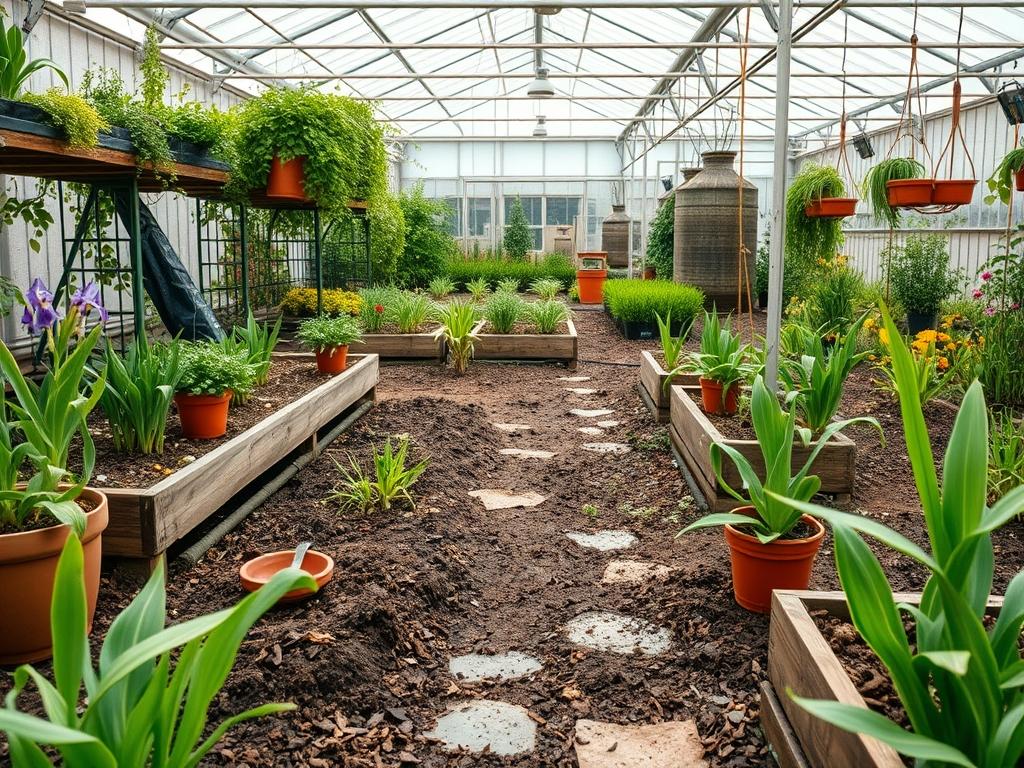
When planning the layout, elevation and drainage are paramount. Irises, particularly the Bearded varieties, require exceptionally well-drained soil to prevent stagnant water from collecting around the rhizomes. In areas with heavy clay or high water tables, landscape architects often utilize raised beds or retaining walls to elevate the planting zone. This elevation not only improves drainage but also makes the plants more accessible for inspection. Strategically placed walkways made of flagstone or pea gravel allow for close-up monitoring of the foliage, which is essential for early Iris Borer Identification. By creating a layout that promotes air movement, the humidity around the leaf bases is reduced, making the environment less hospitable to the adult moths that lay eggs in late summer.
Plant and Material Selection
Selecting the right plant material is the primary defense against large scale pest infestations. While no Iris is entirely immune to the borer, some species demonstrate greater resilience or show symptoms more clearly than others. The following table outlines optimal selections for a balanced, low risk perennial environment.
| Plant Type | Sun Exposure | Soil Needs | Water Demand | Growth Speed | Maintenance Level |
| :— | :— | :— | :— | :— | :— |
| Bearded Iris | Full Sun | Well-drained, Neutral | Low | Medium | High (Due to Borers) |
| Siberian Iris | Full to Partial | Moist, Acidic | Moderate | Fast | Low |
| Japanese Iris | Full Sun | Rich, Boggy | High | Medium | Moderate |
| Salvia Nemorosa | Full Sun | Gritty, Lean | Low | Fast | Very Low |
| Peony | Full Sun | Deep, Loamy | Moderate | Slow | Medium |
| Catmint | Full Sun | Average | Low | Fast | Very Low |
The inclusion of companion plants like Salvia or Peony serves two purposes. Professionally, these plants offer a secondary bloom cycle that masks the declining foliage of Irises post-bloom. Technically, they provide a physical barrier and a diverse ecosystem that can support predatory insects. When selecting mulch for these areas, avoid heavy, wood-based products that retain excessive moisture near the crown. Instead, utilize pine needles or shredded hardwood at a depth of no more than 2 inches, ensuring the top of the rhizome remains exposed to the sun.
Implementation Strategy
The execution of a successful garden layout begins with proper grading. To prevent the standing water that facilitates rhizome rot, the soil should be graded to a 2 percent slope away from the main planting beds. If the site is naturally flat, installing a French drain or a subsurface irrigation system can help manage moisture levels. When planting, the rhizomes must be spaced at least 12 to 18 inches apart to ensure adequate airflow. Overcrowding is the most common invitation for the Iris Borer, as it allows larvae to migrate easily from one plant to another without ever crossing open ground.
The primary task in Iris Borer Identification occurs in April and May. As the new fans emerge, look for “water-soaked” spots or translucent streaks on the leaves. This is the hallmark of the young larvae mining through the leaf tissue. Using a pair of bypass pruners or a sharp garden knife, professionals can often squeeze the leaf at the site of the tunnel to crush the larvae before they reach the ground. Proper edging with steel or aluminum strips can also help define the beds and keep encroaching turf grass, which often harbors borer eggs, away from the tender Iris foliage.
Common Landscaping Failures
One of the most frequent errors in landscape maintenance is the over-application of mulch. While mulch is excellent for weed suppression and moisture retention for many species, it is a death sentence for the Iris. Covering the rhizome leads to moisture entrapment, which mirrors the damage caused by the borer and makes identification difficult. Another common failure is improper irrigation planning. Overhead sprinklers that saturate the foliage in the evening create a humid microclimate that encourages moth activity and fungal leaf spot. A drip irrigation system is far superior, delivering water directly to the root zone while keeping the foliage dry.
Root overcrowding and soil compaction also play significant roles in plant decline. When Irises have not been divided for several years, the core of the clump becomes a dense mass of old, unproductive rhizomes. This creates a perfect hiding spot for the borer. Furthermore, compacted soil prevents the rapid drainage necessary for recovery after a borer attack. If the soil cannot breathe, the secondary bacterial rot that follows a borer infestation will consume the entire colony within weeks.
Seasonal Maintenance
Landscape management is a year round discipline. In the Spring, the focus is on sanitation and early identification. Remove any dead foliage from the previous year, as this is where the eggs overwinter. Apply a systemic insecticide if the history of the site suggests a heavy pest pressure, ensuring the application occurs when the leaves are about 4 to 6 inches tall.
During the Summer, monitor the base of the fans. If you notice sawdust-like material, known as frass, or if the central leaves begin to turn yellow and pull away easily from the plant, the borer has likely reached the rhizome. At this stage, you must dig up the affected plant using a spade, cut away the hollowed-out or soft sections of the rhizome, and destroy any larvae found within.
In the Autumn, the goal is prevention. This is the most critical time for Iris Borer management. After the first hard frost, cut the Iris foliage back to about 3 inches from the ground. Remove all clippings from the site and do not compost them. This removes the eggs that would have hatched next spring. Finally, in Winter, inspect the site for any shifting in the hardscaping or retaining walls that might affect drainage patterns for the coming season.
Professional Landscaping FAQ
How do I differentiate between borer damage and leaf spot?
Borer tracks appear as translucent, vertical tunnels or ragged edges on new growth. Leaf spot typically presents as discrete, brown or tan circular lesions with yellow halos. Borers eventually cause the center leaves of the fan to wilt and turn yellow.
Can I save an Iris once the rhizome is infested?
Yes, provided you act quickly. Lift the rhizome and excise the damaged portions using a sterilized knife. Ensure you remove the creamy-white larva. Treat the remaining healthy sections with a ten percent bleach solution before replanting in fresh soil.
What is the best time to divide Irises to prevent pests?
The ideal window is six weeks after the blooming cycle concludes. This allows the plant to establish new roots before winter. Dividing every three to four years prevents the overcrowding that allows borers to thrive and spread undetected through the colony.
Does organic gardening affect Iris Borer management?
Beneficial nematodes, specifically Steinernema carpocapsae, can be applied to the soil in spring. These microscopic organisms hunt and kill borer larvae in the soil before they enter the rhizome, providing an effective biological control without using harsh synthetic chemicals.
Why is clear-cutting foliage in autumn so important?
The adult moth lays its eggs exclusively on dead or dying Iris leaves and surrounding debris in late summer. By removing and destroying all foliage after the first frost, you physically eliminate the next generation of pests from your landscape.