
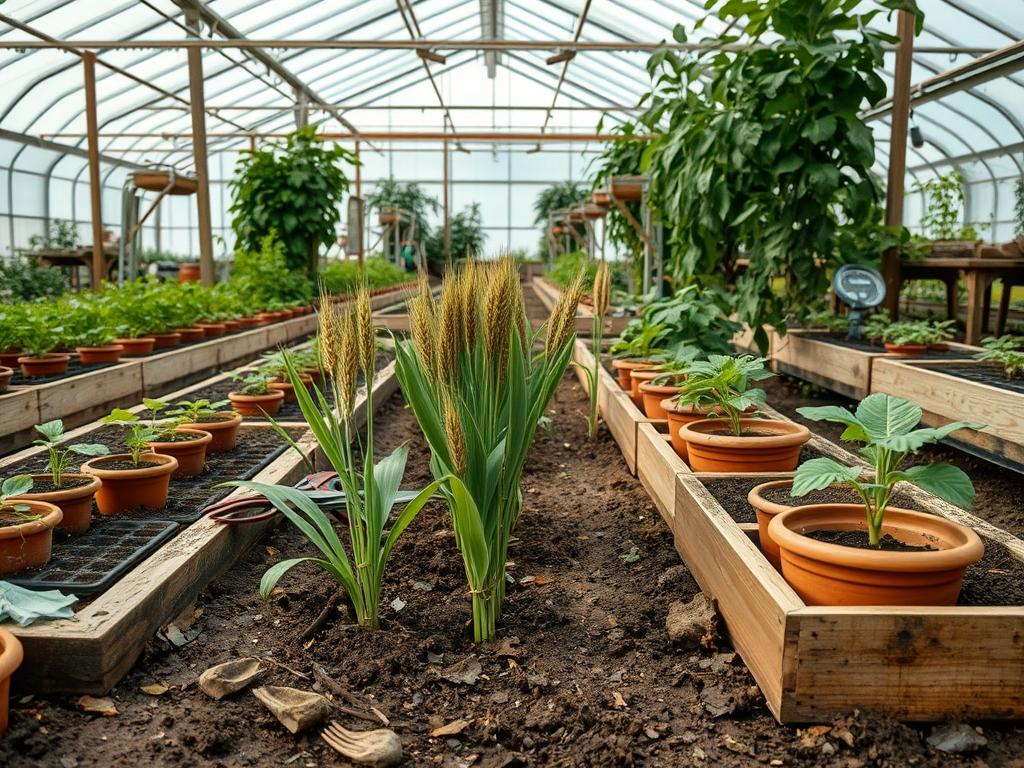
Designing a landscape that accommodates functional agricultural storage requires a sophisticated understanding of environmental micro-climates and site topography. When planning the layout for corn storage facilities such as silos or cribs, the aesthetic integration of these elements must be matched by a rigorous technical strategy to prevent pest infestations. One of the primary concerns for rural estates or hobby farms managing their own harvests is the presence of pests. Utilizing specific Angoumois Grain Moth Tips within a broader landscape framework allows property owners to maintain the integrity of their stored assets while enhancing the overall character of their outdoor environment. Effective landscape architecture for grain storage involves managing moisture, heat, and biological pathways through careful site grading and plant selection.
The spatial organization of a property should prioritize the airflow around storage structures. A common mistake in garden planning is to treat the area surrounding a corn crib as a separate, neglected zone. Instead, this area should be the focal point of a strategic buffer zone. By using hardscaping and low-moisture plantings, you can reduce the humidity levels that the Angoumois grain moth relies on for survival. Maintaining a clean, crisp perimeter around your storage units not only improves curb appeal but also significantly limits the migration of pests from the natural landscape into your harvest. A well-executed design ensures that the utility of the farm is seamlessly blended with the beauty of the landscape.
Landscape Design Principles
Symmetry and focal points are essential when integrating large-scale storage units into a residential or working landscape. To maintain visual balance, consider the storage unit as a vertical anchor. You can frame the structure with pathways that lead the eye toward the horizon, creating a sense of purpose and order. Elevation is perhaps the most critical principle in this context. Positioning grain storage on the highest point of the local topography ensures that surface water flows away from the grain, preventing the damp conditions that promote moth larvae development.
Irrigation planning must be handled with extreme precision near corn storage. Over-watering nearby ornamental beds can inadvertently raise the internal humidity of a silo via foundational seepage. To counter this, landscape architects often utilize a dry-scape approach within a 20-foot radius of the structure. Walkways made of crushed limestone or pea gravel serve a dual purpose; they provide a clean aesthetic and act as a thermal mass that helps regulate the ambient temperature at the base of the crib. Visual balance is achieved by layering plantings by height, starting with low-growing groundcovers near the structure and graduating to taller shrubs further out to avoid blocking essential cross-winds.
Plant and Material Selection
Selecting the right materials involves balancing the needs of the soil with the requirements of the storage facility. The following table provides a guide for choosing plants that thrive in the well-drained, sunny conditions typically found near high-elevation storage sites.
| Plant Type | Sun Exposure | Soil Needs | Water Demand | Growth Speed | Maintenance Level |
| :— | :— | :— | :— | :— | :— |
| Little Bluestem | Full Sun | Well-drained | Low | Moderate | Low |
| Creeping Juniper | Full Sun | Sandy/Rocky | Low | Slow | Very Low |
| Lavender | Full Sun | Alkaline/Dry | Low | Moderate | Moderate |
| Russian Sage | Full Sun | Poor/Dry | Low | Fast | Low |
| Switchgrass | Full Sun | Varied | Low to Medium | Fast | Low |
| Stonecrop Sedum | Full Sun | Sandy | Very Low | Moderate | Very Low |
Implementation Strategy
The implementation phase begins with professional grading. The soil must be sloped at a minimum 2-percent grade away from the storage foundation to prevent pooling. Once the grading is established, a layer of non-woven geotextile fabric should be laid down to prevent weed growth without trapping moisture. Above this, a layer of 3-inch deep drainage stone or river rock is recommended. This creates a sanitary barrier that is inhospitable to insects and easy to maintain with a leaf blower or vacuum.
Edging is the next step in the layout. Use heavy-duty steel edging or pressure-treated timbers to create a clear definition between the gravel buffer and the lawn or garden beds. This prevents grass from encroaching on the storage area and provides a crisp line for the eye to follow. For the surrounding garden, focus on xeriscaping techniques. By selecting drought-tolerant species like Russian Sage or Little Bluestem, you can minimize the need for supplemental irrigation, which is one of the most effective Angoumois Grain Moth Tips for long-term storage health. Proper spacing between plants is vital; leave at least 3 feet of open space between any shrub and the wall of the storage unit to allow for maximum sun penetration and air circulation.
Common Landscaping Failures
One of the most frequent failures in garden planning near storage units is the use of wood mulch. While aesthetically pleasing, organic mulch retains significant moisture and can ferment over time, attracting various insects. If you must use organic materials, ensure the mulch depth does not exceed 2 inches and keep it several feet away from any grain bin openings. Another common issue is root overcrowding. Planting large, water-hungry trees too close to a silo can lead to foundation cracks, which create entry points for moisture and pests.
Soil compaction is another silent killer of both plants and grain quality. When the soil around a storage unit is compacted by heavy machinery or foot traffic, it loses its ability to drain. This leads to standing water, which increases the humidity in the immediate vicinity. Furthermore, irrigation inefficiencies, such as misdirected sprinkler heads that spray directly onto the sides of a corn crib, can ruin an entire season of stored grain. Always conduct a seasonal “wet test” of your irrigation system to ensure that no water is reaching the storage structures.
Seasonal Maintenance
Landscape management is a year-round commitment that changes with the weather. In the spring, focus on clearing any debris or leaf litter that has accumulated against the storage foundation during the winter. This organic matter is a prime breeding ground for moths and should be removed immediately. Prune any nearby shrubs to maintain the 3-foot clearance rule, ensuring that new spring growth does not obstruct the ventilation of the corn.
During the summer, the focus shifts to moisture control. If your region experiences heavy rains, inspect the grading to ensure no erosion has occurred. Autumn is the time for a thorough cleanup of the surrounding garden. Harvest any nearby ornamental grasses and remove spent perennials to reduce the amount of biomass available for pests to hide in. In the winter, monitor the snow accumulation. Large drifts against the side of a storage unit can melt and seep into the grain, so it is important to shovel a clear path around the perimeter. Regular inspections of the “hardscape buffer” will ensure that your landscape continues to protect your harvest throughout the dormant season.
Professional Landscaping FAQ
How does landscaping affect Angoumois grain moth prevention?
Proper landscaping reduces the ambient humidity and temperature around storage units. By using gravel buffers and ensuring proper grading, you eliminate the moist environments where moths thrive, making it harder for them to infest the grain.
What is the best ground cover near a corn silo?
Crushed stone or river rock is the superior choice for a silo perimeter. Unlike organic mulch, stone does not retain moisture or provide a food source for pests. It also stays cooler in the sun, helping regulate grain temperature.
Can I plant trees near my grain storage?
Trees should be kept at least 30 feet away from storage structures. While they provide shade, their root systems can damage foundations, and their canopies can trap humid air and host pests that may eventually move into the grain.
How wide should the maintenance path around a crib be?
A minimum of 5 feet of clear, hardscaped space is recommended. This allows for easy inspection, provides room for equipment, and ensures that no vegetation is close enough to bridge the gap for crawling insects or moisture.
Does irrigation really impact stored corn quality?
Yes, poorly planned irrigation can significantly raise the moisture content of stored grain. Overspray or poor drainage leads to foundational dampness, which increases internal humidity and creates an ideal environment for the heart of many pest outbreaks.