
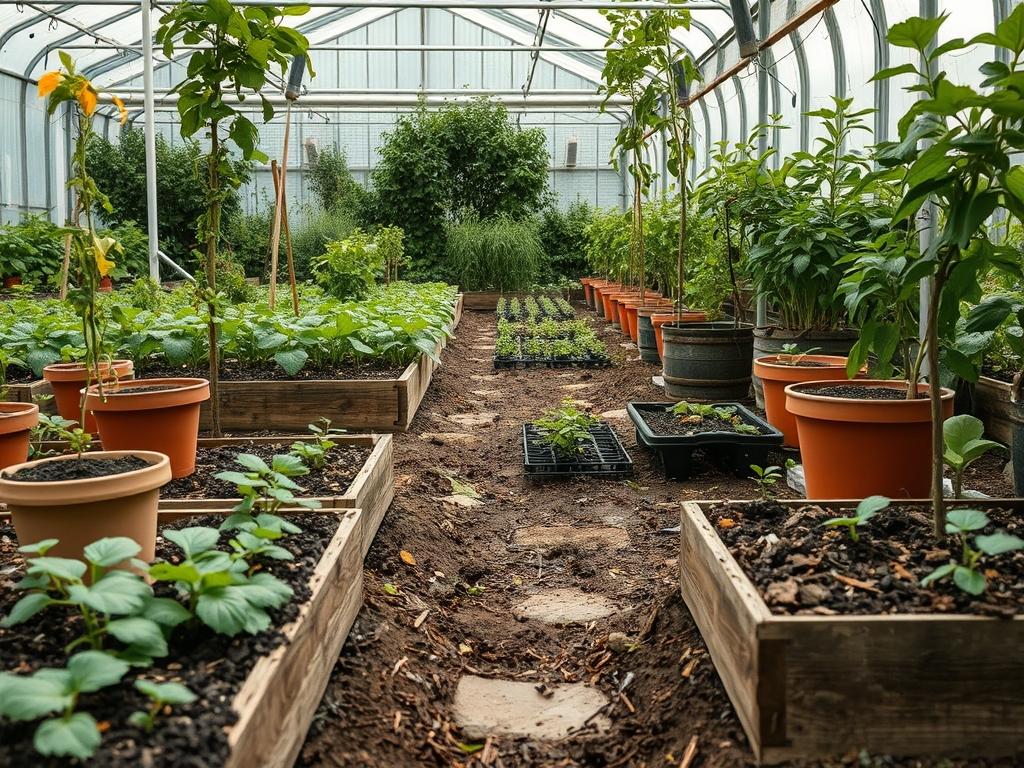
Designing a landscape is more than a simple aesthetic pursuit; it is a complex negotiation between the local climate, the structural integrity of the home, and the ecological health of the site. A well-executed outdoor environment creates a professional first impression while serving as a functional barrier against environmental stressors and invasive species. When we consider the intersection of exterior design and interior protection, the role of a landscape architect becomes one of strategic defense. Many homeowners overlook how their choice of shrubs, the placement of mulch, or the management of organic debris can influence the presence of pests near the home foundation. Integrated pest management begins at the property line, where curb appeal must coexist with practical prevention. By understanding how the exterior environment supports local biodiversity, we can better implement strategies for Clothes Moth Identification and the mitigation of their entry points into the residence.
The landscaping challenge often lies in balancing lush, dense foliage with the need for airflow and visibility. Moist, shaded areas near wood siding or crawlspace vents can become breeding grounds for various insects, including those that eventually find their way into textiles and wardrobes. A successful landscape plan prioritizes the removal of bird and rodent nests, which are primary outdoor reservoirs for moths and beetles. By carefully selecting ornamental features and managing the transition from the lawn to the building envelope, we create a perimeter that is both beautiful and biosecure. This holistic approach ensures that the outdoor functionality of the space is not compromised by the unintended consequences of poor spatial planning or neglected maintenance.
Landscape Design Principles
Effective landscape design relies on the core principles of symmetry, focal points, and elevation layers to guide the eye and manage the movement of water and air. Symmetry provides a sense of formal order, often achieved through paired plantings of Boxwood or Juniper along a central walkway. These structured lines do more than just please the eye; they allow for easier inspection of the foundation and clearer maintenance paths. Focal points, such as a large Japanese Maple or a custom-built stone fountain, anchor the visual experience and draw attention away from utility areas. These elements should be placed strategically to ensure they do not interfere with the building’s structural ventilation.
Elevation layers are essential for creating depth and managing site drainage. We typically design in three tiers: the canopy, the mid-story, and the ground plane. High-reaching trees provide shade and cooling, while mid-story shrubs offer privacy. However, the ground plane is where the most critical work occurs. We utilize Retaining Walls and terraced beds to manage slopes, ensuring that water always moves away from the foundation. Irrigation planning must be precise, using Drip Emitters rather than high-pressure sprayers to prevent excessive moisture buildup against the house. Walkways should be constructed from porous materials like Decomposed Granite or Flagstone set in sand to allow for natural filtration. Visual balance is finally achieved by repeating colors and textures throughout the site, creating a cohesive environment that feels intentional and well-governed.
Plant and Material Selection
| Plant Type | Sun Exposure | Soil Needs | Water Demand | Growth Speed | Maintenance Level |
| :— | :— | :— | :— | :— | :— |
| English Lavender | Full Sun | Well-drained/Sandy | Low | Medium | Moderate |
| Western Red Cedar | Full Sun to Part Shade | Moist/Rich | Medium | Fast | Low |
| Rosemary | Full Sun | Poor to Average | Low | Medium | Low |
| Dwarf Boxwood | Full Sun to Shade | Loamy/Well-drained | Medium | Slow | High (Pruning) |
| Creeping Thyme | Full Sun | Sandy/Rocky | Low | Fast | Low |
| White Spruce | Full Sun | Acidic/Moist | Medium | Medium | Low |
Implementation Strategy
The successful implementation of a master landscape plan begins with a rigorous assessment of the site’s topography and soil composition. Before a single plant is placed, we must address Grading. The ground should fall away from the house at a minimum slope of two percent, which translates to a 24 inch drop over 100 feet. This prevents hydrostatic pressure from building up against foundation walls, a condition that encourages the damp environments favored by many pests. Once the grade is established, we install Geotextile Fabric in areas designated for hardscaping to prevent weed growth and soil migration.
Next, we establish the Edging for garden beds. Using Heavy-duty Steel Edging or Paver Restraints creates a clean transition between the turf and the planting zones. This transition is vital for pest management; it allows for a “sterile zone” of 12 to 18 inches of River Rock or Crushed Stone directly against the house. This gap prevents mulch, which can harbor moisture and organic decay, from touching the siding. When applying mulch to the rest of the garden, we maintain a depth of no more than 3 inches. We prefer Cedar Mulch for its natural aromatic properties and slower rate of decomposition. Finally, we install the Hardscaping, ensuring that all patios and paths are set on a properly compacted base of Class 5 Gravel to prevent shifting and cracking over time.
Common Landscaping Failures
The most frequent failure in professional landscaping is poor drainage planning. When water pools near the structure, it saturates the soil and creates a microclimate that attracts wood-destroying organisms and textile pests. Another common error is root overcrowding. Planting a Silver Maple or a Willow too close to a structure can lead to foundation damage and the intrusion of roots into sewer lines. Proper spacing is not just about the plant’s current size but its projected maturity in 10 to 20 years. Many contractors overlook the ultimate spread of a tree, leading to overgrown canopies that brush against the roof and provide a highway for insects and rodents.
Soil compaction is another silent failure. During construction, heavy machinery compresses the earth, destroying the pore space necessary for root respiration and water infiltration. Without mechanical aeration or the addition of Organic Soil Amendments, new plantings will likely struggle and die within three seasons. Finally, irrigation inefficiencies often result in the overwatering of certain zones while others remain scorched. This uneven moisture distribution can lead to fungal outbreaks in the lawn. We recommend the use of Smart Irrigation Controllers that adjust based on real-time weather data to ensure the landscape receives exactly what it needs without creating the soggy conditions that facilitate Clothes Moth Identification in nearby storage areas.
Seasonal Maintenance
Landscape management is a year-round commitment that changes with the transit of the sun. In the Spring, the focus is on renewal and inspection. We perform a deep clean of all garden beds, removing any leaf litter or dead perennials that survived the winter. This is the time to apply a pre-emergent herbicide and to sharpen the edges of all beds. It is also the ideal window to inspect the foundation for any cracks or gaps that may have formed during the freeze-thaw cycle of winter.
During the Summer, the priority shifts to moisture management and pruning. We monitor the Drip Irrigation system for leaks and adjust the timing to account for high evaporation rates. Pruning should be focused on maintaining the “air gap” between foliage and the house siding. In the Autumn, the most critical task is debris removal. Falling leaves must be raked and composted away from the house, as rotting piles of foliage provide a habitat for the very pests we wish to avoid. We also recommend a final application of high-potassium fertilizer to strengthen root systems before the dormant season. In the Winter, maintenance involves protecting sensitive plants from frost and ensuring that heavy snow does not accumulate against the building’s vents or wooden elements. Protecting the landscape during the cold months ensures a healthy start for the following year.
Professional Landscaping FAQ
How does my landscape affect indoor pest prevention?
Overgrown vegetation creates bridges for insects to enter your home. Maintaining an 18 inch gravel buffer between your foundation and your garden beds reduces the likelihood of textile pests migrating from outdoor nests into your living spaces.
What is the best mulch for pest deterrence?
Cedar Mulch is highly recommended by landscape architects. Its natural oils act as a mild repellent for various insects, and it decomposes much slower than hardwood mulches, reducing the organic buildup that attracts scavengers and moths.
How can I fix poor drainage in my backyard?
Installing a French Drain or a Dry Creek Bed is often the most effective solution. These features redirect excess surface water toward a lower point on the property or into a rain garden, keeping the foundation dry.
Why is plant spacing so important?
Correct spacing ensures adequate airflow and sunlight penetration. Plants that are crowded together often develop powdery mildew and provide humid, dark environments that serve as the perfect breeding grounds for pests like the clothes moth.
Are native plants better for low-maintenance designs?
Yes, native species are adapted to the local climate and soil conditions. They typically require less supplemental water and fewer chemical treatments, making them a sustainable choice for a professional and resilient outdoor environment.