
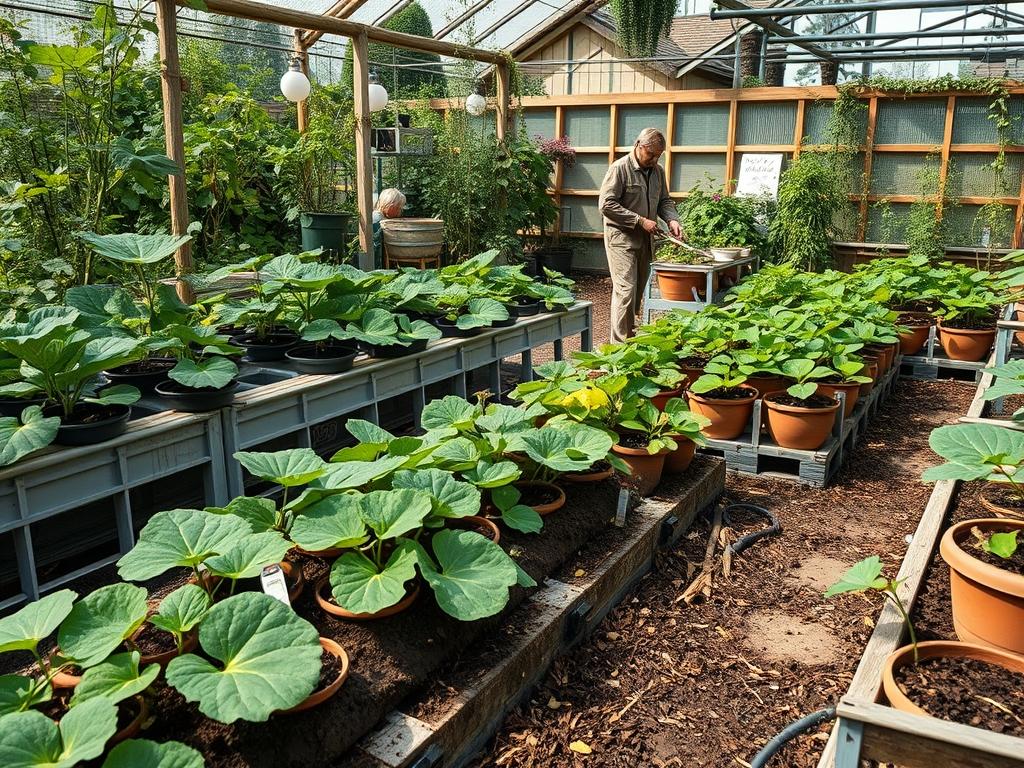
Integrating edible crops into a high-end residential landscape requires a sophisticated balance between aesthetic appeal and biological management. While tradition often separates the kitchen garden from the formal architectural bones of the estate, modern environment consulting prioritizes the seamless blending of these zones. One of the most significant challenges in maintaining the visual and structural integrity of a vegetable terrace is the presence of pests that thrive in the microclimates we create for productivity. Specifically, managing ants in squash hills and preventing the devastating trajectory of vine borers demands a rigorous understanding of soil mechanics and plant physiology. These issues, if left unaddressed, do more than just reduce crop yields; they degrade the curb appeal of the garden by causing premature foliage yellowing and structural collapse of the vegetation. To achieve a functional and beautiful outdoor space, a landscape architect must design with an eye for pest prevention, ensuring that irrigation, drainage, and plant placement work in concert to discourage infestations while promoting high-performance growth.
Landscape Design Principles
Successful garden planning begins with the establishment of symmetry and focal points that guide the eye while serving a practical purpose. When designing for large-vined plants like Winter Squash or Summer Squash, we utilize elevated hills to facilitate drainage and provide a distinct visual rhythm. These hills should be spaced at intervals of 4 feet to 6 feet depending on the cultivar, creating a repeating pattern that feels intentional rather than haphazard. Visual balance is achieved by flanking these production zones with structured hardscaping, such as Granite Edging or Cedar Raised Beds, which prevents the creeping vines from blurring the defined boundaries of walkways and lawns.
Elevation layers play a critical role in both the aesthetics and the health of the plants. By building mounds that sit 6 inches to 8 inches above the surrounding grade, we improve soil aeration and heat retention. However, these mounds can inadvertently become prime real estate for ants. Ants in squash hills are often attracted to the well-drained, loose soil, where they may protect colonies of aphids that feed on the vines. To counter this, the design must incorporate aromatic focal points using companion plants like French Marigolds or Nasturtiums. These species provide a burst of color and a layer of biological protection, disrupting the pheromone trails used by ants.
Irrigation planning must be invisible yet highly effective. Subsurface Drip Irrigation is the preferred method for managing squash hills, as it delivers water directly to the root zone without wetting the foliage. This is vital for controlling vine borers, as excess moisture at the base of the stem can soften the tissue, making it easier for the Clearwing Moth to deposit its eggs. Linear walkways made of Permeable Pavers or Crushed Slate should be integrated between the hills to allow for easy maintenance access without causing soil compaction, which is a primary driver of poor plant health and increased pest vulnerability.
Plant and Material Selection
| Plant Type | Sun Exposure | Soil Needs | Water Demand | Growth Speed | Maintenance Level |
| :— | :— | :— | :— | :— | :— |
| Cucurbita maxima | Full Sun | Rich Loam, pH 6.0-6.8 | High (Targeted) | Fast | Moderate |
| French Marigold | Full Sun | Well-Drained | Low to Moderate | Moderate | Low |
| Blue Hubbard | Full Sun | High Organic Matter | Moderate | Fast | Moderate |
| Diatomaceous Earth | N/A | Dry Surface | N/A | N/A | As Needed |
| Neem Oil Concentrate| N/A | Foliar Application | N/A | N/A | Weekly |
| Shredded Cedar Bark | N/A | Surface Layer | N/A | N/A | Annual |
Implementation Strategy
The execution of a garden layout requires a systematic approach to technical site preparation. The first step involves grading the area to ensure a 2 percent slope away from any permanent structures, preventing water from pooling at the base of the squash hills. Once the grade is established, we mark the center points of each hill using Surveyor Stakes. A high-quality soil mixture, consisting of 40 percent Compost, 40 percent Topsoil, and 20 percent Coarse Sand, is then mounded to the required height.
To manage ants in squash hills effectively, we incorporate a physical barrier during the planting phase. Applying a thin layer of Diatomaceous Earth around the base of the seedling before adding 2 inches of Hardwood Mulch creates a desiccating boundary that ants find difficult to cross. This is coupled with the installation of Floating Row Covers, which are secured with U-shaped Landscape Staples. These covers are a primary defense against the vine borer, preventing the adult moth from reaching the stems during the critical egg-laying window in early summer.
Hardscaping elements, such as Steel Edging or Timbered Retaining Walls, should be installed to define the perimeter. These structures do more than just hold soil in place; they serve as a barrier against the encroachment of turf grass and the pests that reside within it. When the squash vines begin to run, they can be trained along these edges or over Gable Trellises to keep the fruit off the ground, further reducing the risk of pest damage and rot.
Common Landscaping Failures
One of the most frequent mistakes in kitchen garden design is poor drainage planning. When water saturates the soil at the base of a hill, it creates an anaerobic environment that stresses the plant, making it a beacon for vine borers. Furthermore, moisture-laden soil can attract specific species of ants that prefer damp nesting sites. Architects must ensure that the subgrade is fractured and that Perforated Drain Tile is installed if the native soil has high clay content.
Root overcrowding is another failure that invites disaster. In an attempt to create a lush, full look immediately, many homeowners plant squash too closely together. This reduces airflow, leading to Powdery Mildew and providing a protected canopy where pests can flourish undetected. Proper spacing, adhering strictly to the 36-inch to 48-inch rule between plants, is essential for long-term vitality. Similarly, soil compaction from foot traffic near the root zone can stifle nutrient uptake. The inclusion of designated stone stepping paths is not just a design choice; it is a necessity for soil health.
Irrigation inefficiencies often manifest as overhead watering. This practice is a significant failure in pest management. Wet leaves are susceptible to fungal pathogens, and the washing away of natural oils on the stem makes the plant more vulnerable to borer penetration. A specialized Drip Emitter System with a flow rate of 0.5 Gallons Per Hour ensures that the plant stays hydrated while the environment remains inhospitable to boring insects.
Seasonal Maintenance
Spring maintenance focuses on soil preparation and early intervention. Before planting, the hills should be turned with a Garden Fork to disrupt any overwintering ant colonies or borer cocoons. A soil test should be conducted to ensure the nutrient profile is balanced, as excess nitrogen can lead to lush, soft growth that is highly attractive to vine borers. As the weather warms, the installation of pheromone traps can help monitor the arrival of the adult moths.
Summer is the peak period for activity. Regular inspections of the squash stems are required. If you notice small, sawdust-like frass at the base of the vine, a Precision Knife may be used to carefully excise the borer larvae before they kill the plant. During this time, managing ants in squash hills involves maintaining the integrity of the mulch layer and ensuring that no aphids are present on the undersides of the leaves. If ants are observed in high numbers, a botanical soap spray can be used to disrupt their movement.
Autumn is the season for sanitation. All spent vines must be removed and destroyed, rather than composted, to ensure that any larvae or eggs are eliminated from the site. The hills should be leveled slightly and covered with a 3-inch layer of Organic Compost to replenish the soil for the following year. In winter, the landscape remains dormant, but this is the ideal time to inspect hardscaping and irrigation lines for any damage caused by freezing temperatures or mechanical wear.
Professional Landscaping FAQ
How can I identify vine borer damage early?
Look for sudden wilting of a single runner or the entire plant despite adequate moisture. Check the base of the stem for small holes and orange, sawdust-like excrement. A quick surgical intervention can often save the vine.
Why are ants a problem in my squash hills?
While ants do not eat the plants directly, they protect sap-sucking insects like aphids from natural predators. This symbiotic relationship leads to distorted leaves, stunted growth, and the potential transmission of viral diseases throughout your entire landscape.
Is mulch effective against these pests?
Yes, a thick layer of Cedar Mulch or Straw helps regulate soil temperature and moisture. However, ensure the mulch does not touch the direct stem of the plant, as this can encourage rot and provide cover for borers.
What is the best way to deter ants organically?
Integrate aromatic herbs and flowers into your landscape design. Plants such as Peppermint, Spearmint, and Tansy act as natural repellents. Additionally, a barrier of Cinnamon or Cayenne Pepper can temporarily disrupt ant trails near the hills.
Can I reuse the same location for squash next year?
Crop rotation is vital. To prevent the buildup of soil-borne pests and pathogens, move your squash hills to a different part of the garden every three years. This breaks the life cycle of pests that overwinter in the soil.