
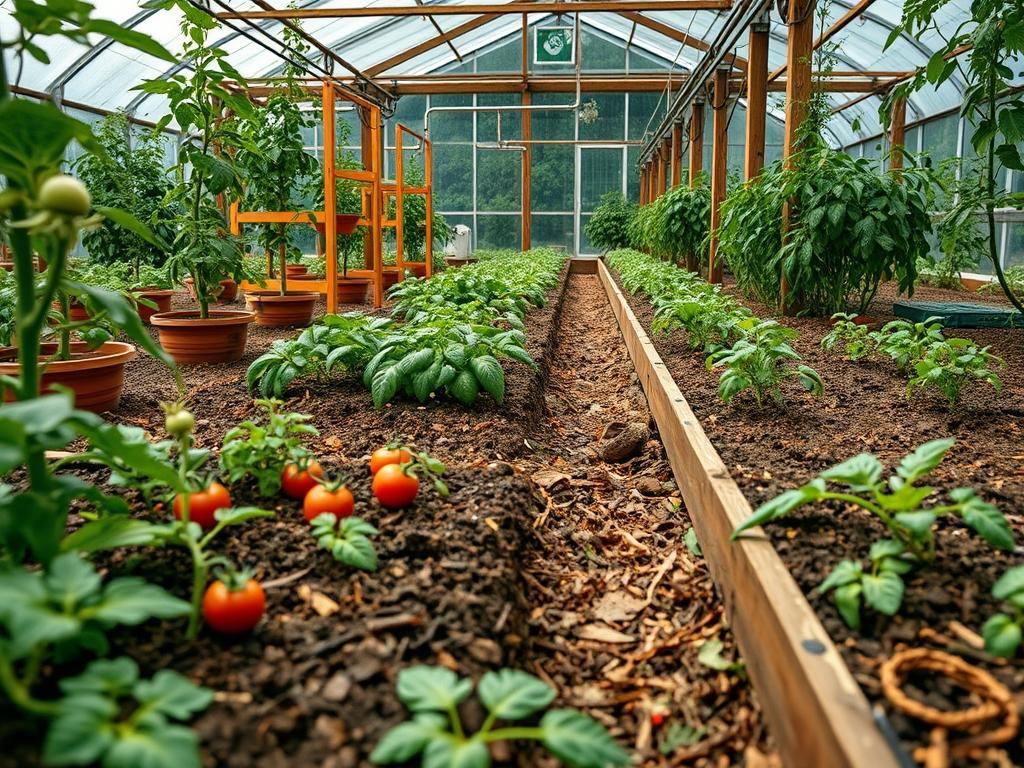
Integrating a functional kitchen garden into a sophisticated landscape design requires a delicate balance between aesthetic appeal and ecological management. When we design outdoor environments, the presence of ants in tomato beds often serves as a primary indicator of broader soil health and drainage issues that can compromise both curb appeal and harvest yields. A successful landscape architect views the vegetable garden not as an isolated utility zone, but as a living component of the overall site plan. The challenge lies in creating a space where Solanum lycopersicum can thrive without becoming a magnet for unwanted insect colonies. Ants themselves are rarely the primary threat to tomato health, yet their presence typically signals an infestation of aphids or a lack of moisture consistency in the root zone. By addressing these environmental factors through strategic site grading and high quality material selection, we can ensure that the garden enhances the property’s value while remaining productive.
Indoor outdoor transitions and the functionality of walkways surrounding these beds are crucial. If the soil remains too dry or if the beds are constructed with materials that allow for excessive heat retention, ants will naturally gravitate toward these warm, protected cavities to build their nests. This creates a cascade of issues for root health, as ant tunnels can lead to excessive aeration that dries out sensitive root hairs. Furthermore, the aesthetic impact of mounds and disrupted mulch layers can detract from a clean, modern aesthetic. Managing ants in tomato beds is therefore a task of environmental engineering, requiring a deep understanding of site hydrology, soil structure, and the biological needs of the plants.
Landscape Design Principles
Architectural symmetry in a garden provides a sense of order and intentionality, which is particularly important when dealing with edible crops that can sometimes look unruly. We achieve this by flanking central walkways with mirrored raised beds constructed from Rot-resistant Cedar or Weathering Steel. These materials provide clean lines and clear boundaries that define the garden’s focal points. By elevating the planting surface, we gain greater control over soil composition and drainage, which are the two most significant factors in preventing ant infestations. Elevation layers also allow for tiered planting, where lower maintenance ornamentals occupy the perimeter, guiding the eye toward the lush, productive center.
Irrigation planning must be integrated into the initial design phase to ensure consistent moisture levels without creating stagnant pools. Drip irrigation systems, buried beneath a layer of Organic Cedar Mulch, provide water directly to the root zone, keeping the surface soil less hospitable to nesting ants. Visual balance is maintained by incorporating hardscaping elements such as Flagstone Pavers or Crushed Granite paths between the beds. These surfaces prevent soil compaction and provide a stable platform for maintenance. When the ground is properly graded at a 2 percent slope away from the beds, excess rainwater flows into designated drainage swales, preventing the oversaturation that can lead to root rot and subsequent pest attraction.
Plant and Material Selection
| Plant Type | Sun Exposure | Soil Needs | Water Demand | Growth Speed | Maintenance Level |
| :— | :— | :— | :— | :— | :— |
| Beefsteak Tomato | Full Sun | Loamy, pH 6.2-6.8 | High | Moderate | High |
| French Marigold | Full Sun | Well-drained | Moderate | Fast | Low |
| Sweet Basil | Full Sun | Rich, Moist | Moderate | Fast | Medium |
| Peppermint | Partial Shade | Damp, Fertile | High | Aggressive | Medium |
| River Rock | N/A | Sub-base Prep | None | N/A | Very Low |
| Geotextile Fabric | N/A | Underlayment | High Permeability | N/A | Low |
Implementation Strategy
The successful implementation of a pest-resistant tomato bed begins with precise site grading. We start by clearing the area and ensuring the sub-grade is level or slightly sloped toward a drainage outlet. Once the site is prepared, we install a heavy-duty landscape fabric to act as a barrier between the native soil and the new planting medium. This prevents local weed seeds from germinating and adds a layer of resistance against deep-tunneling insects. The beds are then framed with 6-inch by 6-inch timber posts, ensuring all corners are square and level to maintain the visual integrity of the design.
After the frames are secure, we install a 4-inch layer of coarse gravel at the bottom of the bed to facilitate rapid drainage. A mixture of high-quality topsoil, aged compost, and perlite is then added to a depth of at least 18 inches. This depth is critical for the vigorous root systems of tomato plants. To manage ants in tomato beds specifically, we incorporate a thin layer of diatomaceous earth into the top two inches of soil during the final raking. This natural mineral powder acts as a mechanical deterrent to crawling insects without introducing harsh chemicals into the food supply. Finally, a 3-inch layer of arborist chips or straw mulch is applied to the surface to regulate temperature and retain moisture, which discourages ants from nesting in the topsoil.
Common Landscaping Failures
One of the most frequent mistakes in garden design is the neglect of proper drainage, leading to either anaerobic soil conditions or excessively dry pockets. When soil becomes compacted due to foot traffic or poor material selection, oxygen cannot reach the roots, and water tends to run off rather than penetrate. This stress makes tomato plants highly susceptible to aphid attacks. Ants in tomato beds are often drawn to the honeydew produced by these aphids, creating a symbiotic relationship that further weakens the plant. Overcrowding is another common failure; planting specimens too close together restricts airflow and creates the humid, shaded environment where pests thrive.
Improper spacing of hardscape elements can also lead to maintenance headaches. If walkways are too narrow, the gardener is forced to step into the beds, causing soil compaction that damages delicate root structures. Furthermore, irrigation inefficiencies, such as using overhead sprinklers rather than drip lines, can wash away protective mulch and create surface crusting. This crusting makes it easier for ants to establish stable galleries for their nests. Designers must also be wary of using untreated pine or low-grade woods for bed construction, as these materials attract wood-destroying insects and decay quickly, compromising the structural and aesthetic goals of the landscape.
Seasonal Maintenance
Spring is the season for preparation and prevention. Before the first Tomato Transplants go into the ground, we recommend a thorough inspection of the irrigation lines and the replenishment of the mulch layer to a full 3-inch depth. This is the ideal time to apply a preventative application of Neem Oil to the surrounding foliage to deter early-season aphids. As the heat of summer arrives, the focus shifts to moisture management. We monitor the soil tension using a moisture meter to ensure the root zone stays consistently damp, as dry soil is the primary invitation for ants to move in.
During the autumn months, after the harvest is complete, it is essential to remove all spent vegetable matter to prevent pathogens from overwintering in the soil. We suggest planting a cover crop like Crimson Clover to fix nitrogen and maintain soil structure through the colder months. Winter maintenance involves checking the structural integrity of the retaining walls and ensuring the drainage swales are clear of debris. By maintaining a clean, well-ordered garden throughout the dormant season, we reduce the likelihood of pest populations becoming established in the following spring.
Professional Landscaping FAQ
How do you naturally repel ants in tomato beds?
Incorporate companion plants like Peppermint or Marigolds around the perimeter. These species produce natural aromatic compounds that disrupt the pheromone trails used by ants, discouraging them from establishing large colonies near your tomato root systems.
Does mulch attract or repel ants in the garden?
While thick mulch regulates moisture, which ants dislike, certain types like Double-Ground Bark can provide cover. Use Cedar Mulch, as its natural oils act as a deterrent, and ensure it remains hydrated to prevent nesting.
Can ants damage the root systems of tomato plants?
Indirectly, yes. Ants do not eat the roots, but their tunneling can create air pockets that dry out the root zone. They also protect aphids, which sap the plant’s energy and introduce viral diseases.
What is the best drainage solution for raised beds?
A High-Permeability Geotextile paired with a 4-inch base of clean crushed stone ensures that excess water exits the bed quickly. This prevents the soil compaction and fungal issues that often attract opportunistic pests.
Should I use chemical ant killers in a vegetable garden?
We advise against synthetic pesticides in edible landscapes. Instead, use Boric Acid baits placed outside the bed or Diatomaceous Earth applied to the soil surface for a non-toxic approach that protects both the environment and your harvest.