
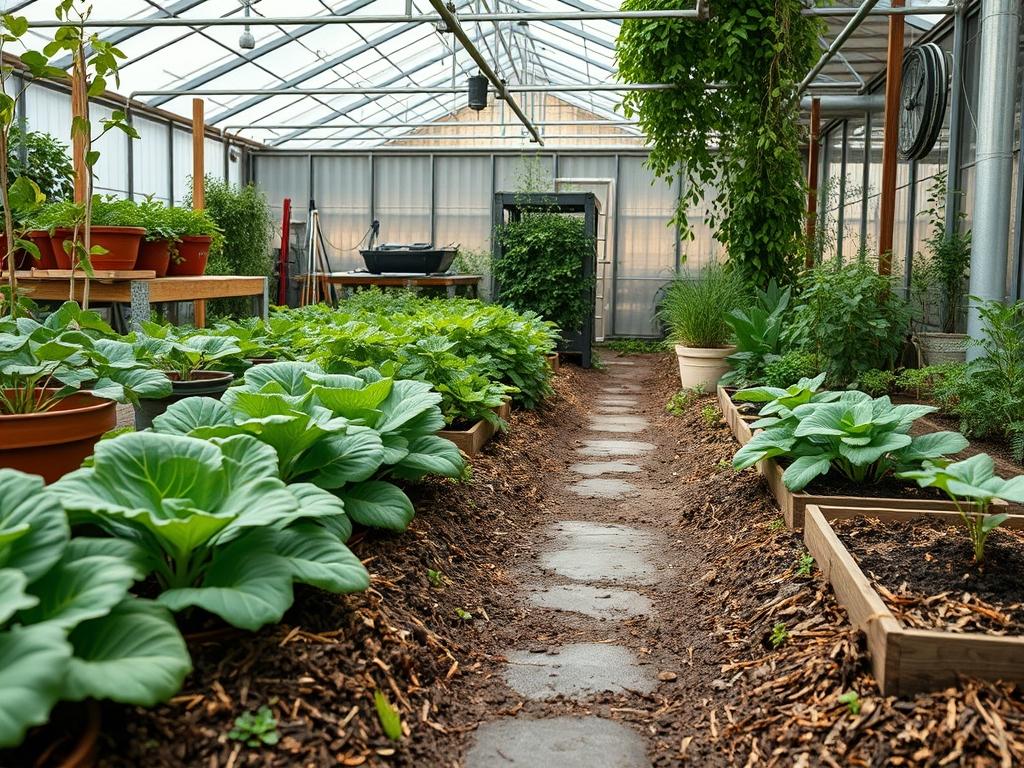
Maintaining a high-end residential landscape requires a delicate balance between aesthetic perfection and ecological health. When integrating edible crops or ornamental brassicas into a master site plan, the most significant threat to both curb appeal and structural plant integrity is the cabbage worm. These larvae, primarily the offspring of the Small White Butterfly (Pieris rapae), can skeletonize a carefully curated vegetable border or a formal grouping of Ornamental Kale in a matter of days. From a landscape architecture perspective, the presence of tattered foliage and excrement creates a neglected visual narrative that detracts from the property value and the overall outdoor living experience. Efficient control must be integrated into the initial site design and ongoing management protocols to ensure that these pests do not undermine the functionality of the garden. By adopting a systems-based approach that emphasizes site topography, plant diversity, and physical barriers, property owners can achieve total control without the use of harsh synthetic chemicals that might otherwise leach into the groundwater or damage the local pollinator population.
Landscape Design Principles
Successful pest management begins with the fundamental layout of the garden. When drafting a site plan, symmetry and visual balance are often the primary objectives, but one must also consider the movement of pests through the environment. Monocultures, even small ones like a single row of Cabbage, act as a concentrated beacon for adult butterflies. To disrupt this, a skilled consultant will integrate edible plants into a layered landscape using elevation and focal points to confuse foraging insects. Utilizing retaining walls and raised masonry beds helps create distinct microclimates while elevating the plants to a height where they are easier to inspect and maintain.
Irrigation planning also plays a critical role in pest suppression. Overhead watering can create a humid micro-canopy that encourages various fungal pathogens, which can weaken the plant and make it more susceptible to cabbage worm infestations. A subsurface drip irrigation system is the professional standard for these areas. By delivering water directly to the root zone, the surrounding foliage remains dry, making it less hospitable for egg-laying adults. Furthermore, the use of wide, well-defined blue stone walkways or crushed granite paths between planting zones creates physical breaks in the vegetation. These breaks serve as “biological firebreaks” that can slow the spread of larvae from one cluster of host plants to another, while also providing the homeowner with clear access for manual maintenance.
Plant and Material Selection
The following table outlines the essential components for a landscape designed to naturally repel or manage cabbage worm populations while maintaining high ornamental standards.
| Plant or Material Type | Sun Exposure | Soil Needs | Water Demand | Growth Speed | Maintenance Level |
| :— | :— | :— | :— | :— | :— |
| Red Cabbage | Full Sun | Rich, Loamy | High | Medium | High |
| French Marigolds | Full Sun | Well-Drained | Moderate | Fast | Low |
| Culinary Thyme | Full Sun | Sandy, Dry | Low | Slow | Low |
| Floating Row Cover | N/A | N/A | N/A | N/A | Moderate |
| Dill | Full Sun | Organic Matter | Moderate | Fast | Low |
| Nasturtium | Full/Part Sun | Poor to Average | Moderate | Fast | Low |
Implementation Strategy
The implementation of a worm-resistant garden site requires precise execution of the grading and soil preparation phases. Before any plant material is installed, the site must be graded to ensure a 2 percent slope away from any hardscaping or structural foundations. This prevents water from stagnating around the root systems of your brassicas. Once your beds are established, edging is vital to define the transition between turf and garden. Using steel edging or Belgian block provides a clean, professional finish and prevents the encroachment of grasses that may harbor other pests.
For physical control, a professional landscape strategy often involves the installation of low-profile hoops made from 1/2-inch PVC pipe or heavy-gauge wire. These hoops support a fine mesh garden fabric or floating row cover. When properly tensioned and secured at the base with landscape staples, these barriers prevent the adult butterflies from landing and depositing eggs on the foliage. To maintain the aesthetic integrity of the garden, these covers can be tucked behind taller perennial borders or integrated into custom-built cedar cold frames.
Mulch selection is the final step in the implementation phase. A 3-inch layer of shredded hardwood mulch or arborist wood chips serves multiple functions. It regulates soil temperature, suppresses weeds, and provides a habitat for ground beetles, which are natural predators of cabbage worm larvae. Deep mulch also prevents soil splashing during heavy rain events, which keeps the lower leaves of the plants clean and less prone to rot.
Common Landscaping Failures
The most frequent failure in managing cabbage worms is the lack of plant diversity, often referred to as a “planting vacuum.” When a landscape design relies too heavily on one species, the entire aesthetic can be ruined by a single pest outbreak. Another common oversight involves improper spacing. Crowding plants together might provide an instant “full” look for a property listing, but it limits airflow and creates a sheltered corridor for larvae to move undetected. A minimum of 18 to 24 inches of space should be maintained between large brassicas to ensure they can be visually inspected from all angles.
Compacted soil is another professional pitfall. If the soil has been heavily compressed by construction equipment or foot traffic, it lacks the oxygen necessary for vigorous plant growth. Weakened plants produce chemical signals that are highly attractive to pests. Additionally, poor drainage often leads to localized flooding in the root zone, causing root stress that manifests as stunted growth and yellowing leaves. Inefficient irrigation, such as short, frequent watering cycles, encourages shallow root systems. This makes the plants less resilient to the environmental stressors that often occur alongside pest cycles.
Seasonal Maintenance
Landscape management is a year-round commitment that changes with the solar cycle. In the Spring, the focus is on prevention. This is the time to install physical barriers and apply a preventative application of Bacillus thuringiensis (Bt), a naturally occurring soil bacterium that serves as a biological insecticide. Bt is highly effective against caterpillars but harmless to humans, pets, and beneficial insects.
During the Summer, maintenance shifts to monitoring and manual intervention. Estate managers should perform weekly “scouting” missions, looking specifically at the undersides of leaves for tiny yellow eggs or early-stage larvae. Hand-picking is often sufficient for smaller ornamental displays if caught early. This is also the season to ensure the irrigation timers are adjusted for peak heat to prevent drought stress.
In the Autumn, the landscape must be thoroughly “sanitized.” Removing all spent brassica stalks and tilling the soil slightly will expose any overwintering pupae to the elements and avian predators. This reduces the primary population for the following year. Finally, in Winter, the focus turns to infrastructure repair. This is the ideal time to service the irrigation valves, sharpen pruning shears, and plan the crop rotation for the following spring to ensure that host plants are not placed in the same location two years in a row.
Professional Landscaping FAQ
What is the most effective organic spray for cabbage worms?
Bacillus thuringiensis (Bt) is the gold standard. It is a biological agent that targets the digestive system of the larvae specifically. It should be applied in the late afternoon to prevent UV degradation and must be reapplied after heavy rains.
Can companion planting really stop a cabbage worm infestation?
While it might not stop it entirely, it significantly reduces the pressure. Strong-smelling herbs like Peppermint, Sage, and Rosemary mask the scent of the host plants, making it more difficult for the butterflies to locate their targets.
How do I identify a cabbage worm before the damage is severe?
Look for small, circular holes in the center of the leaves and dark green fecal pellets, known as frass, near the base of the plant. The larvae are excellently camouflaged, so checking the leaf ribs is essential for early detection.
Do floating row covers interfere with plant growth or pollination?
Non-flowering crops like cabbage and kale do not require insect pollination, so covers can remain on indefinitely. The fabric allows 85 percent of sunlight and water to pass through, ensuring the plants thrive while remaining completely protected.
Is there a native plant that helps control these pests?
Attracting native wasps by planting Yarrow or Goldenrod nearby is highly effective. These beneficial insects are natural predators that hunt cabbage worms to provide food for their own larvae, creating a self-sustaining pest control loop in your landscape.