
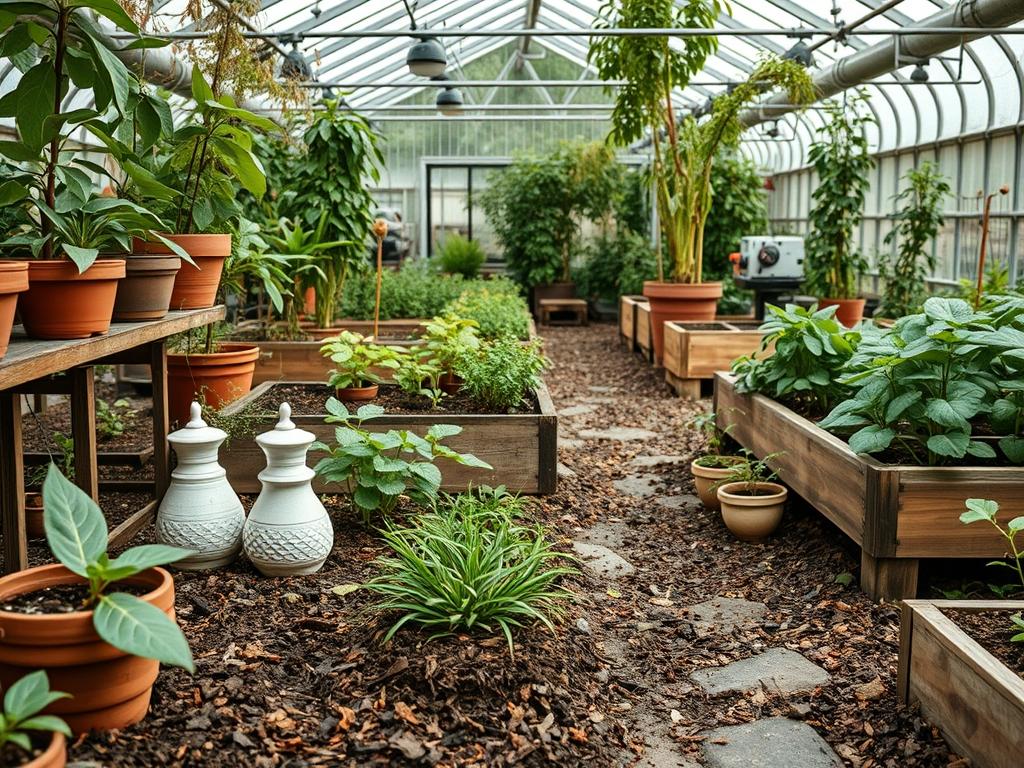
Integrating a vegetable garden into a sophisticated landscape requires more than just fertile soil and sunlight. It demands a strategic approach to pest management that preserves the aesthetic integrity of the outdoor environment while ensuring a productive harvest. Stink bugs, particularly the brown marmorate variety, present a unique challenge to the modern landscape architect. These insects do not merely damage crops; they cluster on hardscaping, invade outdoor living spaces, and can diminish the curb appeal of a high end property. Managing these pests through natural deterrents involves an understanding of microclimates, airflow, and the symbiotic relationships between plant species. A well designed garden uses the principles of environmental engineering to create a habitat that is inherently hostile to pests while remaining inviting to homeowners. By focusing on site preparation, drainage, and specific vegetation, we can mitigate the impact of stink bugs without resorting to harsh chemical interventions that might compromise the health of the local ecosystem.
Landscape Design Principles
When planning a vegetable garden with pest resistance in mind, symmetry and focal points serve both aesthetic and functional purposes. A structured layout allows for better observation of plant health and easier access for maintenance. Airflow is perhaps the most critical design factor in reducing stink bug populations. Stagnant air and high humidity create a sanctuary for these insects; therefore, the garden should be situated in a way that maximizes natural wind patterns. Using raised beds or terraced planters can improve elevation layers, ensuring that smaller vegetable plants are not overshadowed by dense perimeter shrubbery. These elevation changes also assist in creating distinct zones, which can be used to separate vulnerable crops from known host plants.
Visual balance is achieved by framing the vegetable plot with ornamental species that serve a dual purpose. For example, incorporating retaining walls made of natural stone provides a crisp edge to the garden while doubling as a barrier for certain crawling insects. Within the layout, walkways should be wide and clearly defined, utilizing materials like crushed granite or compacted slate. These materials prevent the accumulation of weeds and organic debris where stink bugs often overwinter. Furthermore, irrigation planning must be precise. Utilizing drip irrigation systems rather than overhead sprinklers reduces excess moisture on foliage, which significantly lowers the attractiveness of the garden to nymph stages of the pest. By layering the garden with a mix of heights and textures, the architect creates a complex visual landscape that prevents any single pest species from dominating the environment.
Plant and Material Selection
The following table outlines high performance plants and materials that contribute to a natural deterrent strategy within a professional landscape design.
| Plant Type | Sun Exposure | Soil Needs | Water Demand | Growth Speed | Maintenance Level |
| :— | :— | :— | :— | :— | :— |
| Lavender | Full Sun | Well Drained | Low | Moderate | Low |
| Chrysanthemums | Full Sun | Rich Loam | Medium | Fast | Moderate |
| Garlic | Full Sun | Sandy Loam | Moderate | Slow | Low |
| Marigolds | Full Sun | Any / Versatile | Moderate | Fast | Low |
| Borage | Partial Shade | Moist | High | Fast | Medium |
| Catnip | Full Sun / Partial | Average | Low | Very Fast | High |
| Radishes | Full Sun | Loose Soil | Medium | Very Fast | Low |
Implementation Strategy
The successful execution of a pest resistant landscape begins with proper grading. The site must be leveled or sloped slightly away from the primary outdoor living areas to ensure that water does not pool near the vegetable beds. Poor drainage leads to soil compaction and increased humidity, both of which attract undesirable insects. Once the grade is established, steel or heavy duty plastic edging should be installed to create a clean transition between the vegetable zone and the surrounding turf. This edging serves as a physical line of defense, making it more difficult for pests to migrate from the lawn into the garden.
Next, consider the “Push-Pull” strategy of planting. This involve surrounding the core vegetable crops with repellent plants like Lavender or Garlic to “push” pests away. On the outer perimeter of the property, far from the edible garden, “pull” crops like Sunflowers or Radishes can be planted as trap crops. These act as a sacrificial barrier, attracting the stink bugs and keeping them away from the primary harvest. Hardscaping elements such as decorative boulders or limestone paths should be placed strategically to break up large swaths of vegetation, further disrupting the movement of insects. When mulching, stay consistent with a 3-inch to 4-inch depth of cedar mulch or pine bark, as the natural oils in these woods act as a mild repellent.
Common Landscaping Failures
One of the most frequent errors in landscape design is root overcrowding. When plants are spaced too closely to achieve an “instant” full look, the lack of light penetration and air circulation creates a breeding ground for stink bugs. These pests thrive in the dense, shaded interior of overgrown plants. Another common failure involves irrigation inefficiencies. Over-watering not only wastes resources but also leads to root rot and fungal issues that weaken the plants, making them more susceptible to insect attacks. A weakened plant emits chemical signals that can actually attract pests from a distance.
Soil compaction is another overlooked issue. When the soil becomes too dense due to heavy foot traffic or improper preparation, plant roots cannot access oxygen. This stress leads to stunted growth and a decline in the plant’s natural defense mechanisms. Additionally, many homeowners fail to manage the perimeter of their property. Neglected tall grasses or piles of organic garden waste located near the vegetable beds provide the perfect overwintering habitat for stink bugs. Without a clean, maintained transition zone between the wilder parts of the property and the cultivated garden, pest pressure will remain high regardless of how many deterrents are planted.
Seasonal Maintenance
Spring is the time for proactive defense. As temperatures rise, stink bugs emerge from dormancy. This is the ideal window to apply a fresh layer of organic mulch and to inspect the irrigation system for leaks. Pruning is essential during this phase; removing dead wood and thinning out dense canopies increases sunlight penetration and airflow. During the summer months, maintenance shifts to monitoring and hydration. Consistent moisture via soaker hoses keeps plants vigorous. If stink bugs are spotted, manual removal or the use of neem oil applications during the cooler evening hours can manage small populations before they explode.
Autumn requires a thorough cleanup. As the harvest ends, removing spent vegetable plants is crucial. Leaving old vines or fallen fruit in the garden provides a food source and shelter for bugs looking to survive the winter. Perform a final tilling of the soil to expose any buried larvae to the elements and predators. In the winter, the focus turns to hardscape maintenance. Inspect the seals on raised beds and ensure that any stone walls are free of deep crevices where insects might hide. By maintaining a tidy and structurally sound landscape year round, you reduce the likelihood of a major infestation the following year.
Professional Landscaping FAQ
Which plants are most effective at repelling stink bugs?
Garlic, Lavender, and Chrysanthemums are highly effective. These plants produce strong scents or natural pyrethrins that disrupt the sensory organs of the insects, making the area less attractive for feeding or nesting.
How does mulch depth affect pest populations?
A depth of 3 to 4 inches is optimal. This thickness suppresses weeds that host pests while retaining soil moisture. However, avoid “mulch volcanoes” against plant stems, as these create humid hiding spots for insects.
Can irrigation design really reduce insect numbers?
Yes. Drip irrigation delivers water directly to the root zone, keeping the foliage dry. Since many pests, including stink bugs, prefer humid leaf canopies, a dry upper plant structure discourages their presence.
What is a trap crop and how is it used?
A trap crop, like Sunflowers or Mustard, is a plant that stink bugs prefer over your vegetables. By planting these at the landscape perimeter, you draw pests away from your main garden beds.
How does elevation help in garden planning?
Using raised beds or terracing improves drainage and increases airflow. This structural change modifies the microclimate, making it harder for stink bugs to find the stagnant, moist conditions they require for optimal breeding.