
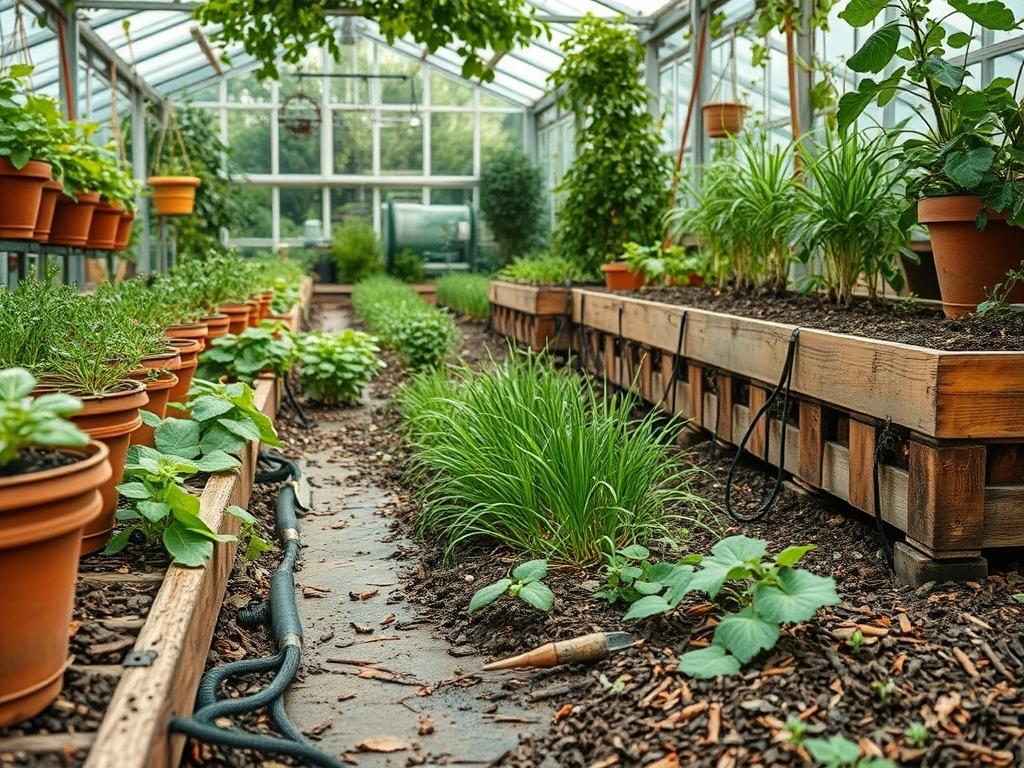
Landscape architecture requires a delicate balance between aesthetic vision and ecological resilience. When a property faces a sudden surge in migratory insect populations, specifically grasshoppers, the structural integrity and curb appeal of the outdoor environment are placed under intense pressure. Grasshopper damage repair is not merely a task of replacing foliage; it is a systematic process of restorative design and preventative engineering. A single swarm can defoliate a mature ornamental garden in a matter of days, stripping the softscape down to the vascular tissue. This level of destruction compromises the functional goals of the landscape, such as shade provision, privacy screening, and psychological comfort. To manage this challenge, a landscape consultant must look beyond immediate chemical solutions and focus on long-term soil health, plant resilience, and physical barriers. By integrating defensive strategies into the fundamental site plan, property owners can protect their investments from the volatile cycles of these voracious herbivores.
Successful grasshopper damage repair starts with an assessment of the site’s microclimate and its role in attracting pests. Grasshoppers thrive in dry, undisturbed soil and are drawn to lush, irrigated “islands” during thermal peaks. From a professional standpoint, the repair phase is the ideal time to reconsider the landscape’s vulnerability. If a focal point was destroyed because it consisted of highly palatable, succulent species, the redesign should prioritize textures and chemical compositions that are naturally repellent. This transition maintains the site’s value while decreasing its maintenance liability.
Landscape Design Principles
In professional garden planning, symmetry and focal points define the rhythm of the space. When managing grasshopper damage repair, these elements must be reinforced with defensive layering. Use verticality to your advantage; placing more vulnerable species on elevated terraces or within Raised Planter Boxes can create a psychological and physical distance from the ground-dwelling nymphs. Visual balance is achieved by mixing textures. A garden that relies solely on soft, broad-leafed perennials is a buffet for pests. By integrating Ornamental Grasses with silica-rich blades and woody shrubs, you create a complex environment that is less attractive to a monoculture feeder.
Irrigation planning is perhaps the most critical principle in a grasshopper-prone environment. Over-watering can lead to flush, tender growth that attracts insects, while under-watering stresses the plant, making it unable to recover from mechanical damage. A Drip Irrigation System is preferred over overhead rotors. By delivering water directly to the root zone, the overall humidity of the foliage remains low, which discourages grasshopper congregating. Furthermore, walkways should be designed as more than just transit routes. Using Crushed Granite or Pea Gravel for paths creates a dry, hot perimeter that grasshoppers often find inhospitable compared to cool, mulched beds.
Plant and Material Selection
The following table outlines species and materials that provide high aesthetic value while offering various levels of resistance or resilience to grasshopper activity.
| Plant Type | Sun Exposure | Soil Needs | Water Demand | Growth Speed | Maintenance Level |
| :— | :— | :— | :— | :— | :— |
| Lavender | Full Sun | Well-drained | Low | Moderate | Low |
| Russian Sage | Full Sun | Poor to Average | Very Low | Fast | Minimal |
| Juniper | Full Sun | Any / Adaptable | Low | Slow to Moderate | Low |
| Yucca | Full Sun | Sandy/Rocky | Very Low | Slow | Very Low |
| Coreopsis | Full/Part Sun | Well-drained | Moderate | Fast | Moderate |
| Blue Spruce | Full Sun | Loamy/Rich | Moderate | Slow | Low |
| Artemisia | Full Sun | Well-drained | Low | Fast | Low |
When selecting hardscape materials for grasshopper damage repair, focus on reflective and heat-retaining surfaces. Flagstone and Concrete Pavers can be used to border sensitive areas, creating a sun-baked “no-man’s land” that discourages pests from transitioning from turf to garden beds.
Implementation Strategy
Implementing a repair strategy requires a methodical approach to site preparation. Start with grading. Grasshoppers lay their eggs in the top 2 inches of dry soil. By re-grading your perimeter areas or tilling decorative borders in the late fall or early spring, you physically disrupt the egg pods, exposing them to predators and desiccation. Once the site is leveled, use Steel Edging to create a clean transition between the lawn and the planting beds. This edging serves as a minor physical hurdle and helps contain the Hardwood Mulch used for moisture retention.
For active grasshopper damage repair, pruning is the first step. Remove any stems that have been stripped of foliage down to the nearest healthy node using a Bypass Pruning Shear. This encourages the plant to divert energy toward new lateral growth. Apply a Slow-Release 10-10-10 Fertilizer to provide the necessary macronutrients for reconstruction. To protect these new, vulnerable shoots, install Lightweight Floating Row Covers or Fine Mesh Netting. These barriers should be secured at the base with Lawn Staples to prevent insects from crawling underneath. While these covers may temporarily impact the visual appeal, they are essential during the high-activity “nymph” stages in early summer.
Common Landscaping Failures
The most common failure in grasshopper damage repair is neglecting the “buffer zone.” Property owners often focus exclusively on their ornamental beds while leaving the adjacent perimeter of the property as a weed-choked habitat. Grasshoppers breed in these unmanaged areas and migrate toward the irrigated landscape as the wild forage dries out. Another frequent mistake is improper spacing. When plants are overcrowded, they compete for nutrients and water, resulting in weaker cellular structures that are easily breached by insect mouthparts.
Irrigation inefficiencies also play a major role in landscape failure. Soil compaction leads to runoff, which leaves the root zone dry while creating puddles in low spots. This attracts insects seeking hydration without supporting the plant’s health. Additionally, many gardeners fail to monitor the Mulch Depth. While mulch is beneficial, a layer exceeding 4 inches can provide an insulated hiding spot for various pests. Aim for a consistent 2-inch to 3-inch layer of inorganic mulch, such as River Rock, in high-traffic pest areas to reduce the organic material available for egg-laying.
Seasonal Maintenance
Seasonal management is the key to preventing the need for extensive grasshopper damage repair in the future. In the spring, focus on monitoring. As the ground warms, nymphs begin to emerge. This is the time to apply biological controls, such as Nosema locustae, to the perimeter of the property. This naturally occurring microsporidian targets grasshoppers specifically and reduces their population over time.
During the summer, the priority shifts to hydration and physical protection. Ensure your Irrigation Controller is adjusted for peak heat to prevent plant wilting. If damage occurs, do not perform heavy pruning during a heatwave; wait for a cool spell to reduce the stress on the plant. In the autumn, perform a thorough cleanup. Remove all spent annuals and leaf litter where adult insects might seek shelter. This is also the best time for deep-core aeration of the lawn, which can disturb buried egg pods. Winter maintenance involves protecting the woody skeletons of your shrubs from secondary damage. Since grasshoppers are gone, use this time to apply Dormant Oil to any trees that may have suffered bark damage, preventing secondary fungal or boring insect infestations during the dormant period.
Professional Landscaping FAQ
What is the fastest way to repair foliar damage?
Lightly prune the damaged tips and apply a high-nitrogen liquid fertilizer. This stimulates rapid “flush” growth. Ensure the plant is deeply hydrated, as recovered foliage requires significant water to rebuild cellular structure and maintain turgor pressure.
How do I prevent grasshoppers from entering my garden beds?
Create a dry buffer zone using Gravel or Decomposed Granite at least 3 feet wide. Grasshoppers prefer moist, cool environments. A hot, dry perimeter acts as a natural deterrent, forcing them to remain in the outer lawn areas.
Are there any “grasshopper-proof” plants?
No plant is entirely immune during a severe infestation, but species with strong scents or thick sap are less palatable. Focus on Lavender, Sage, and Euphorbia. These plants contain oils or latex that are generally avoided by most grazing insects.
Should I use pesticides for grasshopper damage repair?
Pesticides are a short-term fix and can kill beneficial predators. Instead, use physical barriers like Metal Window Screening for high-value plants. Focus on long-term ecological balance by attracting birds and predatory insects that naturally manage the grasshopper population.
Can mulch contribute to grasshopper problems?
Organic mulches like Pine Bark can provide a moist environment for insects. In areas with repeating grasshopper issues, consider switching to inorganic options like Lava Rock. This material retains heat and does not provide an organic food source for the pests.