
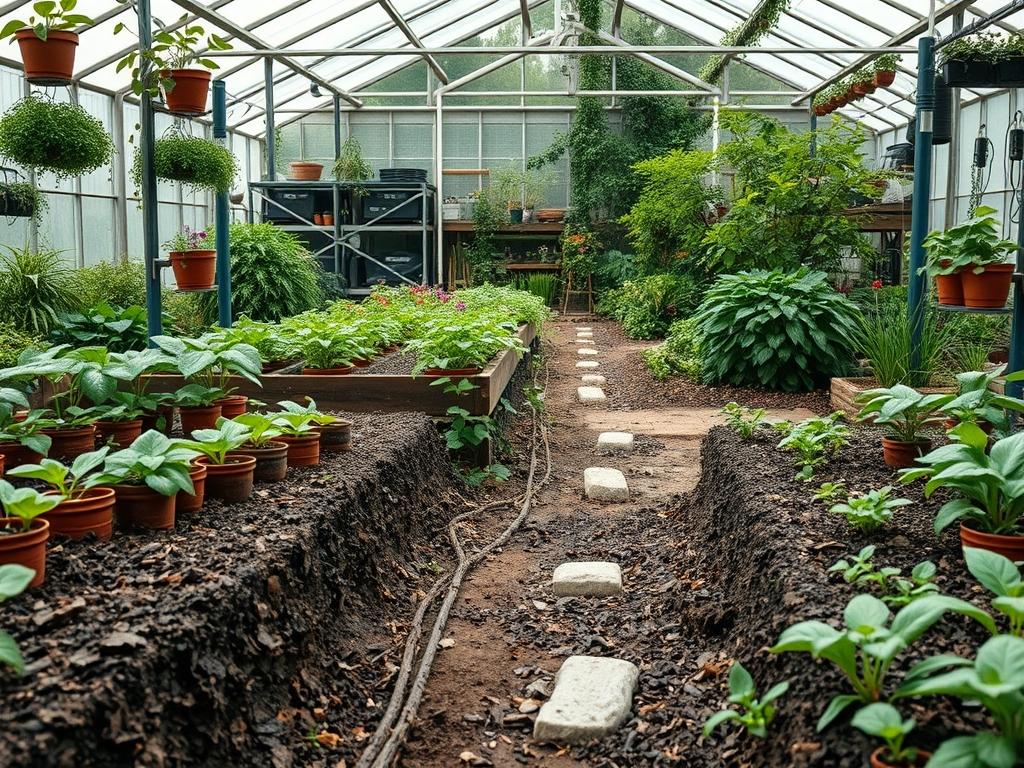
The transition from a dormant winter landscape to a vibrant spring garden begins months before the first bloom appears in the formal beds. For a landscape architect, the success of a seasonal installation depends entirely on the health of the foundational plant material. Damping off prevention represents one of the most critical challenges in the early spring nursery phase. This fungal condition, often caused by pathogens such as Rhizoctonia, Fusarium, or Pythium, can decimate entire crops of young seedlings within hours. When a professional landscape plan relies on the precise timing of thousands of annuals or perennials, a single outbreak can compromise the curb appeal and the overall project timeline. Achieving a resilient outdoor environment requires a proactive approach to soil science, humidity control, and site sanitation. By understanding the biological mechanics of these soil borne pathogens, a designer can ensure that the transition from a seedling tray to a sprawling garden bed is both seamless and visually stunning.
Landscape Design Principles
In professional garden planning, the nursery or seed starting area should be treated with the same architectural rigor as the primary outdoor living space. Symmetry and visual balance are not merely aesthetic choices; they are functional necessities for managing seedling health. A well organized seedling station should utilize vertical elevation layers to maximize airflow and light penetration. By arranging trays on powder coated steel racks, designers can create a multi tiered system that prevents the stagnant air pockets where fungal spores thrive.
Irrigation planning must be integrated into the design from the start. Overhead watering is a primary driver of damping off because it creates a moist environment on the stem and leaf surfaces. Instead, landscape architects recommend a bottom watering system. This involves placing seedling trays into shallow, level reservoirs, allowing the soilless starting mix to wick moisture upward through capillary action. This method keeps the surface of the soil relatively dry, which is a key component of damping off prevention.
Focal points in a nursery setting are typically the environmental monitoring stations. Placing a digital hygrometer and a soil thermometer at the center of the growing area allows for constant calibration of the microclimate. Furthermore, the walkway layout within a greenhouse or indoor grow room must be wide enough to allow for mechanical ventilation. Incorporating oscillating fans at opposite corners of the space ensures a cross breeze that mimics natural outdoor conditions, strengthening the stems of the plants while preventing moisture from settling on the soil surface.
Plant and Material Selection
Selecting the right materials is the first line of defense against fungal pathogens. Using recycled garden soil in seed trays is a common mistake that introduces dormant spores into the controlled environment. Professional growers prioritize sterile, high quality mediums that provide optimal drainage and aeration.
| Plant Type | Sun Exposure | Soil Needs | Water Demand | Growth Speed | Maintenance Level |
| :— | :— | :— | :— | :— | :— |
| Zinnia Elegans | Full Sun | Well drained sterile mix | Moderate | Fast | Low |
| Digitalis (Foxglove) | Part Shade | Humus rich, light | High during germination | Medium | Moderate |
| Antirrhinum (Snapdragon) | Full Sun | Loamy, neutral pH | Regular | Medium | Moderate |
| Salvia Splendens | Full Sun | Porous peat base | Moderate | Fast | Low |
| Lobelia Erinus | Part Shade | Fine particle mix | Consistent moisture | Slow | High |
| Petunia x Hybrida | Full Sun | Lightweight seedling mix | Moderate | Fast | Moderate |
Implementation Strategy
Planning a professional garden layout requires a step by step approach to site preparation, beginning long before the seedlings are transplanted. The first step involves grading the area where the young plants will eventually reside. Proper grading ensures that surface water moves away from the plant crowns, preventing the saturated conditions that lead to root rot. For indoor or greenhouse starts, the strategy begins with surface sterilization. All seed trays, trowels, and workbenches should be cleaned with a 10 percent bleach solution to eliminate lingering pathogens.
Once the containers are prepared, specify a sterile potting medium consisting of sphagnum peat moss, perlite, and vermiculite. Avoid using heavy fertilizers in the initial stage, as excessive nitrogen can lead to soft, succulent growth that is more susceptible to fungal attack. Seed depth is another critical variable. Planting seeds too deep keeps them in the cold, damp zone of the soil for too long, increasing the window of vulnerability.
After sowing, apply a thin layer of fine vermiculite or sphagnum moss over the top of the seeds instead of standard potting soil. These materials resist fungal growth and provide a drier surface environment. To manage drainage, ensure all trays have substantial drainage holes and are never allowed to sit in standing water for more than 30 minutes. As the seedlings emerge, provide a minimum of 14 hours of light using full spectrum LED grow lights positioned 2 to 4 inches above the foliage. This prevents “leggy” growth, which is a precursor to stem collapse.
Common Landscaping Failures
The most frequent failure in early spring seedling management is the over saturation of the growing medium. Many enthusiasts believe that more water equals more growth, but in reality, waterlogged soil creates an anaerobic environment. This lack of oxygen weakens the root system, making it an easy target for Pythium. Soil compaction is another significant issue. When the starting mix is packed too tightly into the cells, it restricts drainage and prevents the healthy expansion of root hairs.
Inadequate light is a major contributor to seedling failure. When plants stretch toward a distant light source, their cell walls become thin and weak. This structural deficiency makes it easy for the Rhizoctonia fungus to pinch the stem at the soil line, resulting in the characteristic “toppling over” associated with damping off. Furthermore, improper spacing between trays can lead to poor air circulation. Overcrowded seedling racks create a stagnant microclimate with high humidity, which acts as an incubator for disease. Designers must resist the urge to maximize every square inch of space at the expense of plant health.
Finally, failing to monitor soil temperature can be fatal. Many spring pathogens thrive in cool, damp soil. Using electric heat mats to maintain a consistent soil temperature of 70 to 75 degrees Fahrenheit can significantly speed up germination. Faster germination means the plant spends less time in its most vulnerable state.
Seasonal Maintenance
Landscape management is a year round commitment that evolves with the changing weather. In the spring, focus on hardening off seedlings. This involves gradually exposing them to outdoor conditions, including direct sunlight and wind, for increasing intervals over 7 to 10 days. This process thickens the plant’s cuticle and prepares it for the rigors of the permanent landscape.
During the summer, the focus shifts to irrigation efficiency and mulch management. Apply 2 to 3 inches of organic mulch, such as shredded cedar or pine bark, around the established plants. Ensure the mulch does not directly touch the stems, as this can trap moisture and cause secondary rot issues. In the autumn, the primary task is sanitation. Remove all spent annuals and leaf litter from the garden beds. This reduces the population of overwintering pathogens that could cause damping off in the following year.
Winter provides an opportunity for structural maintenance. Inspect retaining walls, landscape lighting, and irrigation timers. It is also the time to plan the nursery schedule for the next season. By reviewing the previous year’s successes and failures, a landscape architect can refine the soil formulas and timing to further improve damping off prevention.
Professional Landscaping FAQ
How can I identify damping off before it kills my plants?
Look for water soaked spots on the lower stem or a sudden thinning of the base. If the seedling collapses while the leaves are still green, fungal pathogens are likely present. Immediate removal of affected plants is necessary to save the remaining crop.
Is there a natural way to prevent fungal growth in seed trays?
Dusting the soil surface with cinnamon powder or spraying a light mist of chamomile tea can act as a mild antifungal agent. These natural remedies disrupt the growth of spores without harming delicate young root systems or the surrounding environment.
What is the ideal humidity level for young seedlings?
Maintain a relative humidity between 40 and 60 percent. Anything higher encourages fungal pathogens, while lower levels can cause the soil to dry out too quickly, stressing the plants. Use small fans to maintain constant air movement and humidity regulation.
Can I reuse my plastic seedling trays each year?
Yes, but they must be thoroughly disinfected. Soak them in a solution of one part bleach to nine parts water for at least 10 minutes. Scrub away all old soil and debris to ensure no pathogens are carried over.
When should I move my seedlings into the garden beds?
Wait until the seedlings have developed at least two sets of true leaves and the danger of frost has passed. Ensure the garden soil has been properly amended and graded to prevent water from pooling around the new transplants.