
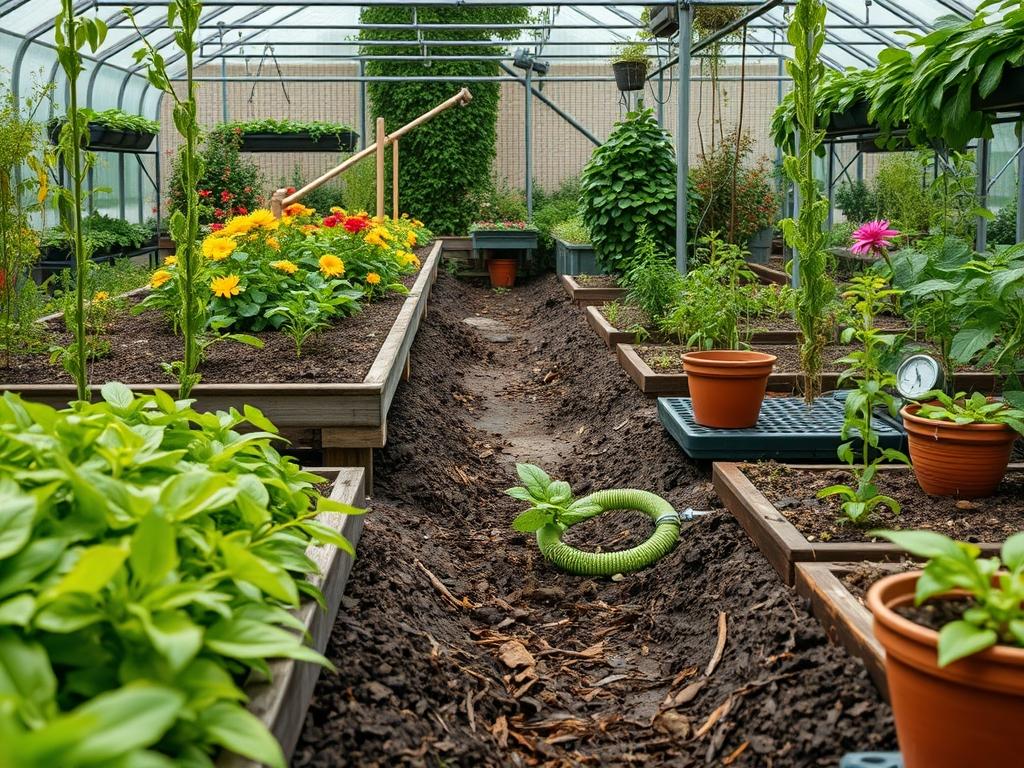
Integrating a professional-grade greenhouse into a luxury landscape requires more than just aesthetic alignment; it necessitates a sophisticated approach to environmental control and structural health. As a landscape architect, I view the greenhouse as a high-performance engine within the garden, where the visual appeal of exotic species meets the rigorous demands of Integrated Pest Management. The preservation of curb appeal and the overall functionality of the outdoor environment often hinge on the health of these interior ecosystems. If a greenhouse serves as the focal point of a backyard or an estate, the presence of uncontrolled pests like fungus gnats or whiteflies can quickly migrate to the surrounding ornamental beds, degrading the entire landscape design. Strategic Sticky Trap Placement becomes the first line of defense in monitoring these populations before they can compromise the structural integrity of the plantings. In many climates, especially those with high humidity or long growing seasons, the greenhouse acts as a sanctuary that requires precise technical management to maintain its status as a lush, inviting garden feature.
Landscape Design Principles
When designing a greenhouse within a broader landscape, symmetry and visual balance are paramount. The structure should never appear as an afterthought; it should be anchored to the site through intentional site planning. We utilize elevation layers to ensure the greenhouse sits prominently but naturally within the topography. For example, placing the structure on a slight rise allows for optimal drainage and prevents moisture from pooling near the foundation, which is a primary cause of pest outbreaks. Walkways leading to the greenhouse should be at least 36 inches wide, constructed from permeable materials like decomposed granite or irregular flagstone, to provide easy access for maintenance while maintaining a transition between the architectural and the organic.
The interior layout must follow clean geometric lines to facilitate effective Sticky Trap Placement. Focal points inside the greenhouse, such as a large Citrus x limon (Meyer Lemon) or a tiered orchid display, require specific monitoring zones. By incorporating visual layers, we create a sense of depth that mirrors the outdoor garden. High-canopy plants should be balanced with lower-tier groundcovers, and irrigation lines must be discreetly integrated to avoid disrupting the visual flow. Proper spacing between benches ensures that airflow remains constant, reducing the stagnant pockets where pests typically congregate. This marriage of form and function ensures that the greenhouse remains a healthy, vibrant component of the overall landscape design.
Plant and Material Selection
| Plant Type | Sun Exposure | Soil Needs | Water Demand | Growth Speed | Maintenance Level |
| :— | :— | :— | :— | :— | :— |
| Nephrolepis exaltata | Partial Shade | Peat-based mix | High | Fast | Moderate |
| Solanum lycopersicum | Full Sun | Loamy, rich | High | Rapid | High |
| Gardenia jasminoides | Full Sun to Part Shade | Acidic, well-drained | Moderate | Medium | High |
| Lycopersicon esculentum | Full Sun | Well-drained compost | High | Fast | Moderate |
| Ficus elastica | Bright Indirect | Well-draining potting soil | Moderate | Medium | Low |
| Orchidaceae family | Dappled Light | Bark or sphagnum mass | Low | Slow | High |
Implementation Strategy
The successful execution of a greenhouse landscape begins with professional grading. The site must be leveled to a 1 percent slope to ensure that water moves away from the footings, preventing soil saturation. Once the foundation is set, we establish the hardscape perimeter using cobblestone edging or pressure-treated timber to define the transition between the greenhouse and the lawn. Within the interior, a layer of pea gravel or recycled glass over a high-quality weed barrier provides a clean, professional finish that discourages pest breeding.
Regarding the technical aspect of Sticky Trap Placement, the initial layout involves identifying high-risk entry points like vents, doors, and the base of large containers. We recommend placing yellow sticky cards at a density of one card every 250 square feet for general monitoring. These should be positioned roughly 2 inches above the plant canopy to capture flying insects like whiteflies and aphids. For low-dwelling pests like fungus gnats, traps should be placed horizontally across the top of the pot or suspended just above the soil line. If the design includes a vertical garden or tiered shelving, traps must be staggered at varying heights to account for the different flight patterns of diverse insect species. Using wire holders or bamboo stakes allows for easy adjustment as the plants grow, ensuring the monitoring system matures alongside the landscape.
Common Landscaping Failures
One of the most frequent errors in greenhouse management is improper drainage, which leads to soil compaction and increased pest pressure. When the subgrade is not correctly prepared, water remains trapped near the roots, creating an ideal environment for fungus gnats. Furthermore, root overcrowding occurs when designers select species that outgrow their containers too quickly, leading to stressed plants that are more susceptible to infestations. Improper spacing is another common pitfall; if the canopy is too dense, it restricts airflow and makes Sticky Trap Placement ineffective because the traps become blocked by foliage.
Irrigation inefficiencies, such as over-watering or using high-pressure sprayers that splash soil onto the leaves, can also degrade the health of the interior landscape. From a structural perspective, failing to install a proper gravel apron or french drain around the exterior can lead to foundation settling and wood rot in timber-framed greenhouses. Lastly, neglect in monitoring is a silent failure. Many homeowners treat the greenhouse as a static room rather than a living system. Without consistent checking of the traps, a minor pest issue can escalate into an expensive restoration project that impacts the entire estate’s aesthetic.
Seasonal Maintenance
Seasonal management is the key to a long-lasting and resilient landscape. In the spring, gardeners should perform a deep cleaning of all glass surfaces and replace all sticky cards to capture the first wave of emerging insects. This is also the time to refresh the mulch in surrounding beds and check the calibration of the irrigation system. As the summer heat intensifies, increasing the frequency of trap inspections is vital, as high temperatures often accelerate the life cycles of common pests. Shade cloths and increased ventilation are necessary during these months to prevent heat stress.
Autumn requires a transition toward sanitation. Removing spent annuals and fallen leaves prevents debris from becoming a wintering site for pests. During the winter months, the focus shifts to moisture control and light optimization. Since many pests remain active in the stable environment of a heated greenhouse, Sticky Trap Placement should be maintained throughout the colder months to monitor for any stowaways brought in on new plants. Winter is also the ideal time to inspect the structural components of the greenhouse, such as the silicone seals and vent hinges, to ensure the environment remains secure for the coming spring season.
Professional Landscaping FAQ
How often should I replace my greenhouse sticky traps?
You should replace sticky cards every 3 to 4 weeks or whenever the surface is covered by more than 50 percent by insects or dust. Fresh traps ensure accurate monitoring and maintain the professional aesthetic of your indoor garden environment.
What color sticky trap is most effective for landscaping pests?
Yellow sticky cards are the industry standard for monitoring aphids, whiteflies, and fungus gnats. However, blue sticky cards are specifically designed to attract and monitor thrips. Using both colors provides a comprehensive defense for a diverse plant collection.
Where is the best height for trap placement?
For most canopy-dwelling pests, place the card roughly 2 to 4 inches above the top of the plants. For soil-borne pests like fungus gnats, place the traps horizontally on the soil surface or just above the rim of the pot.
Will sticky traps harm beneficial insects in my greenhouse?
While traps are non-discriminatory, their impact on beneficials is usually minimal. Placing them strategically near pest-prone species rather than near flowers helps. Avoid placing them near releases of ladybugs or lacewings until those populations have established themselves in the foliage.
Does trap placement affect the visual appeal of my landscape?
Visible traps can be tucked behind decorative containers or integrated into the shadows of the foliage to remain discreet. Using clear stakes or green wire helps the traps blend into the greenery while still performing their essential monitoring function effectively.