
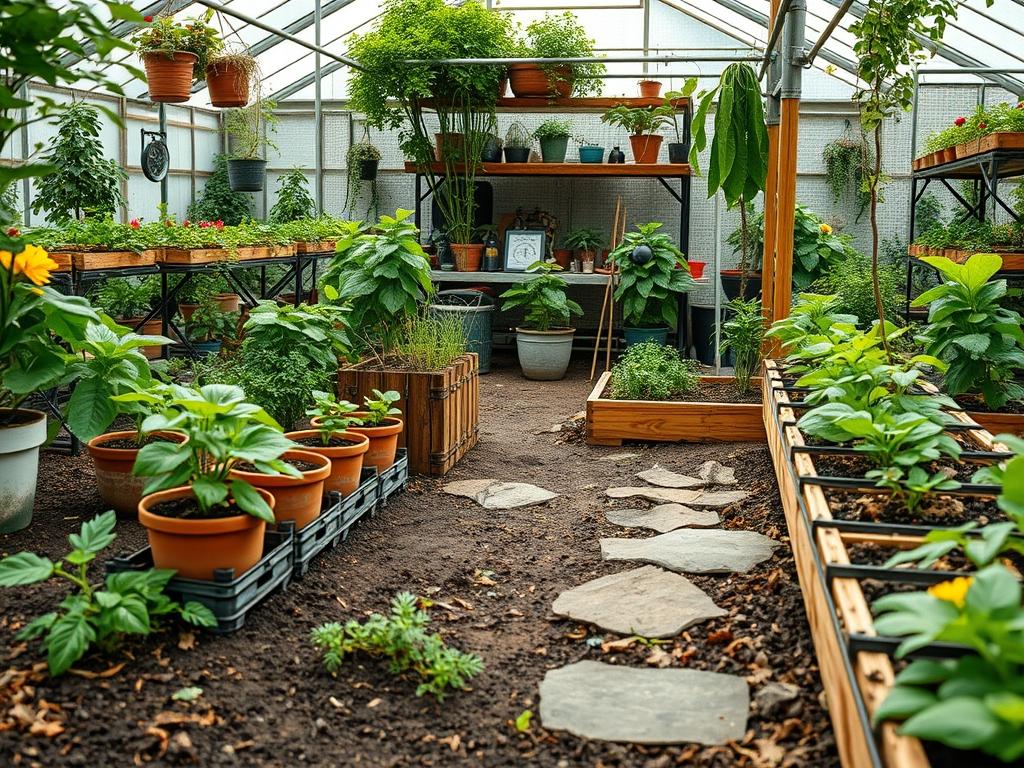
Integrated pest management within luxury residential landscapes requires a shift from chemical reliance to ecological synergy. As a landscape architect, I view the garden not as a collection of static objects but as a living system where every specimen serves a functional role. Utilizing companion planting for pests is a strategic design choice that enhances curb appeal while reducing maintenance overhead. By selecting specific plant pairings that naturally repel harmful insects or attract beneficial predators, we create a resilient outdoor environment. This approach is particularly vital in climate zones where humidity fosters fungal growth or where local aphid and beetle populations threaten high value ornamental specimens. The goal is to harmonize the aesthetic desire for symmetry and color with the practical necessity of plant health.
Landscape Design Principles
Effective landscape design relies on the intentional arrangement of spatial elements to create movement and balance. When integrating companion planting, designers must maintain a sense of visual order. Symmetry is often achieved by mirroring companion pairings on either side of a central walkway or entryway. For instance, placing Lavender at the base of Fruit Trees creates a soft, purple border that anchors the verticality of the trees. Focal points should be established using large, structural plants, while smaller companion species provide the understory layers.
Elevation layering is a critical technique for masking the utilitarian nature of certain pest repellent herbs. We utilize a three tier system: the overstory (canopy trees), the mid-story (shrubs and specimen perennials), and the groundcover (herbs and low flowering plants). This layering mimics natural ecosystems, which naturally suppresses weed growth and maintains soil moisture. Furthermore, irrigation planning must account for the varying needs of these species. Grouping plants with similar water requirements, known as hydrozoning, ensures that drought tolerant herbs like Rosemary are not overwatered when placed near more thirsty ornamental shrubs. Finally, visual balance is maintained by mixing textures, such as the fine, needle like foliage of Alliums against the broad, glossy leaves of Gardenias.
Plant and Material Selection
The following table outlines the foundational species for a successful pest management strategy within a professionally designed landscape. These combinations are selected for their dual purpose as aesthetic enhancements and biological shields.
| Plant Type | Sun Exposure | Soil Needs | Water Demand | Growth Speed | Maintenance Level |
| :— | :— | :— | :— | :— | :— |
| Marigolds | Full Sun | Well Drained | Moderate | Fast | Low |
| French Lavender | Full Sun | Sandy/Loamy | Low | Moderate | Medium |
| Alliums | Full Sun | Rich/Organic | Moderate | Slow | Low |
| Nasturtiums | Full/Partial | Average | Low | Very Fast | Low |
| Borage | Full Sun | Loose/Moist | Moderate | Fast | Medium |
| Basil | Full Sun | High Nitrogen | High | Fast | High |
| Rosemary | Full Sun | Gritty/Poor | Very Low | Slow | Low |
| Petunias | Full Sun | Fertile | Moderate | Fast | Medium |
| Chives | Partial Sun | Loamy | Moderate | Moderate | Low |
| Catnip | Full/Partial | Adaptable | Low | Fast | Medium |
When selecting materials, prioritize hardwood mulch over dyed varieties. A 3 inch layer of cedar or pine bark mulch helps regulate soil temperature and provides a habitat for beneficial ground beetles. For borders, 14 gauge steel edging offers a clean, architectural line that prevents invasive companion species, such as mints or catnip, from migrating into lawn areas.
Implementation Strategy
Planning a backyard layout begins with a comprehensive site analysis. Professionals must evaluate the grading of the land to ensure that water moves away from the foundation of the home at a minimum 2% slope. Once the site is graded, the primary focal points, such as Japanese Maples or Boxwood hedges, are positioned. Companion planting for pests should then be integrated into the planting plan.
For example, when protecting a collection of Roses, incorporate Alliums and Chives around the base. The sulfurous compounds in these bulbs deter aphids and black spot disease. When installing these, ensure the soil is amended with compost to a depth of 12 inches to support the deep root systems of the roses while providing foreign drainage for the bulbs.
Next, consider the “trap crop” strategy. Nasturtiums are highly effective at drawing aphids away from more valuable ornamental plants. Place these at the perimeter of the garden or near Cucurbit vines. For structural edging, use Rosemary and Lavender. These woody perennials contain volatile oils that confuse the scent receptors of moths and flies. During the installation phase, utilize drip irrigation emitters rather than overhead sprayers. This precision delivery keeps the foliage of pest repellent plants dry, which is essential for species like Basil that are prone to downy mildew. Finishing the beds with a sharp, hand cut edge or a paver stone border defines the space, giving the companion planting a deliberate, high end appearance.
Common Landscaping Failures
The most frequent mistake in companion planting is root overcrowding. Designing for the mature size of the plant is non negotiable. When Marigolds are packed too tightly against Tomatoes, air circulation is restricted, leading to powdery mildew. Each plant requires enough space for its canopy to reach full diameter without overlapping significantly with its neighbor.
Drainage mistakes also plague many residential installs. Many pest repellent herbs, particularly those from the Mediterranean region like Rosemary and Thyme, will suffer from root rot if the soil remains saturated. If the site has heavy clay, installations must include French drains or the creation of raised berms to elevate the root balls.
Soil compaction is another silent killer. During the construction of walkways or retaining walls, heavy machinery often compresses the soil, destroying the pore space needed for oxygen. Always rototill heavily compacted areas before planting and avoid walking on prepared garden beds. Lastly, irrigation inefficiencies often result from a “one size fits all” timer setting. Overwatering suppresses the production of the very essential oils that make plants like Peppermint or Sage effective at pest deterrence.
Seasonal Maintenance
Landscape management is a year round commitment. In the Spring, the focus is on cleanup and rejuvenation. Remove dead foliage from dormant perennials and apply a fresh 2 inch layer of organic mulch to suppress early weed growth. This is also the time to divide Chives and Alliums to expand your pest protection zones.
Summer maintenance requires diligent monitoring of irrigation systems. Inspect drip lines for clogs and ensure that focal point trees are receiving deep watering during heat waves. Pruning is essential for air circulation. Thin out the interior branches of dense shrubs to allow light to reach the companion groundcovers below.
During the Autumn, the priority shifts to soil health. Incorporate leaf mold or well rotted manure into the beds to replenish nutrients lost during the growing season. Deadhead annual companions like Marigolds and Petunias, but leave some seed heads for birds.
Winter is the season for structural pruning and planning. In colder climates, protect tender companions with burlap wraps. Inspect the hardscape for any shifting caused by freeze-thaw cycles. Use this period to review the previous year’s pest history and adjust your companion pairings accordingly for the following spring.
Professional Landscaping FAQ
How does companion planting improve curb appeal?
By using varied textures and colors, such as purple Lavender against green shrubbery, you create a lush, multi dimensional look. Healthy, pest free plants appear vibrant and well maintained, which significantly boosts the aesthetic value and perceived quality of the property.
Can companion planting replace all chemical pesticides?
While it drastically reduces the need for chemicals, it is part of a broader Integrated Pest Management strategy. It creates a balanced ecosystem where beneficial insects do the work, though occasional targeted organic treatments may still be necessary for severe outbreaks.
What is the best mulch for pest repellent gardens?
Cedar mulch is highly recommended because it contains natural oils that repel termites and ants. Always maintain a depth of 2 to 3 inches. Ensure the mulch does not touch the stems of the plants to prevent moisture trapped rot.
How do I prevent “trap crops” from looking messy?
Select attractive trap crops like Nasturtiums or Zinnias. Place them in the middle of a border rather than the front edge. Regular deadheading and structural pruning will keep these plants looking intentional rather than like overgrown weeds in a formal design.
Will companion plants compete for nutrients?
When planned correctly, they complement each other. For example, deep rooted plants like Borage pull nutrients from the subsoil for shallow rooted neighbors. Always amend the soil with organic matter during installation to ensure there are enough nutrients for all species.