
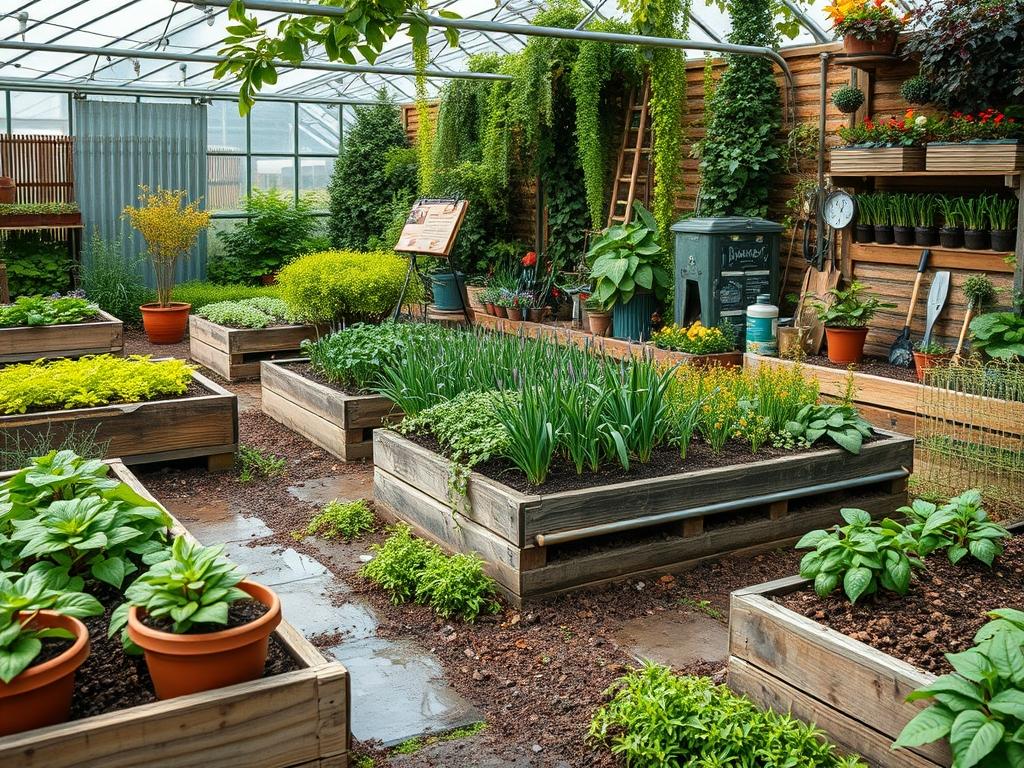
Achieving a balanced outdoor environment requires a sophisticated blend of aesthetic vision and practical resilience. Landscape architects often face the challenge of designing high-end residential gardens that must simultaneously offer curb appeal and withstand the pressures of local wildlife. Among the most persistent challenges is Rabbit-Proofing Your Garden without compromising the architectural integrity of the site. Rabbits are opportunistic foragers that can decimate a freshly installed landscape in a single evening, targeting expensive ornamentals and foundational shrubs alike. Successful mitigation involves more than just physical barriers; it requires a holistic approach to garden planning that considers topography, plant physiology, and the behavioral patterns of the animals. By integrating protective measures into the initial design phase, a homeowner can ensure their investment remains vibrant and intact while maintaining the site’s functionality and elegance.
Landscape Design Principles
Professional garden design for wildlife management begins with structural logic. Symmetry and focal points are not merely visual tools; they serve to direct movement and dictate the hierarchy of the space. To effectively manage rabbit intrusion, designers often employ elevation layers. This technique utilizes retaining walls and raised masonry beds to lift vulnerable species above the grazing height of typical lagomorphs. A 36-inch height for a stone or brick planter is generally sufficient to deter most Eastern Cottontails.
Focal points should be constructed using hardy, non-palatable materials. For instance, a central sculpture or a water feature serves as a visual anchor that requires no protection, whereas a stand of Delphinium or Lilies would necessitate hidden defenses. Walkways also play a strategic role. By using wide, open paths made of crushed slate or flagstone, you reduce the cover and hiding spots that rabbits prefer, making the environment less hospitable for nesting.
The following twelve creative ideas represent a professional standard for integrating rabbit protection into high-end landscape design:
1. Use heavy-gauge hardware cloth with a 1/4 inch mesh buried 6 inches deep and extending 24 inches high behind traditional decorative fencing.
2. Incorporate permanent tiered stone planters to create physical verticality.
3. Establish a “scent perimeter” using aromatic herbs like Lavender and Sage at the garden transitions.
4. Install motion-activated sprinklers that provide a tactile deterrent without chemical use.
5. Create “gabion walls” using caged stone to serve as a porous yet impenetrable boundary.
6. Design with thorny hedging such as Barberry or Sea Buckthorn to create a natural bioscreen.
7. Use gravel mulch in a 3-foot wide buffer zone around the property line to discourage digging.
8. Implement vertical gardening systems on south-facing walls for edible greens and delicate perennials.
9. Utilize ornamental steel cloches as architectural elements that also protect young saplings.
10. Deploy hidden LED lighting in ground-cover areas to eliminate the dark, sheltered spots rabbits favor.
11. Build integrated bench planters where the seating serves as a secondary barrier for the plants behind it.
12. Select a “sacrificial” zone at the property’s edge with clover and native grasses to lure wildlife away from the formal beds.
Plant and Material Selection
The success of a landscape depends heavily on selecting materials and flora that can survive the specific environmental constraints of the site. The following table provides a selection of species that are generally less attractive to rabbits while offering high aesthetic value.
| Plant Type | Sun Exposure | Soil Needs | Water Demand | Growth Speed | Maintenance |
| :— | :— | :— | :— | :— | :— |
| Boxwood | Full Sun to Shade | Well-Drained | Moderate | Slow | Low |
| Lavender | Full Sun | Sandy/Lean | Low | Medium | Medium |
| Salvia | Full Sun | Average Loam | Low | Fast | Low |
| Peony | Full Sun | Rich/Humus | Moderate | Slow | Medium |
| Bleeding Heart | Partial Shade | Moist/Organic | Moderate | Medium | Low |
| Spirea | Full Sun | Adaptable | Moderate | Fast | Low |
| Nepeta | Full Sun | Well-Drained | Low | Very Fast | Low |
| Allium | Full Sun | Loamy | Medium | Medium | Low |
Implementation Strategy
A successful implementation starts with proper grading and site preparation. If the ground is not leveled correctly, water will pool against the base of your protective barriers, causing rot in wooden posts or rust in metal mesh. Professionals begin by stripping the sod and conducting a site survey to identify drainage patterns. When Rabbit-Proofing Your Garden, the installation of 1/4 inch hardware cloth must be seamless. This material should be trenched into the ground at an “L” shape, with the bottom leg of the “L” pointing outward to prevent rabbits from burrowing underneath.
Once the subterranean barriers are in place, the focus shifts to edging and mulch. Stone edging or concrete curbing provides a clean line between the lawn and the beds while serving as a secondary deterrent. A 3-inch layer of hardwood mulch or pine bark nuggets should be applied, but it must be kept a few inches away from the stems of woody shrubs to prevent fungal issues. For irrigation, the use of drip emitters and polyethylene tubing is preferred over spray heads in a rabbit-prone garden. Drip systems keep the foliage dry, which is healthier for the plants, and the infrastructure can be easily hidden beneath the mulch layer.
Common Landscaping Failures
The most frequent error in landscape management is the failure to address drainage in conjunction with barrier installation. If a retaining wall or a buried fence blocks the natural exit of surface water, the soil will become anaerobic, leading to root rot for your expensive Evergreens and Perennials. Always include weep holes or perforated PVC drain tiles behind masonry walls to facilitate water movement.
Root overcrowding is another common mistake. Designers often plant too densely to achieve an “instant” look, but rabbits thrive in the dense cover provided by overgrown shrubs. Proper spacing, as determined by the plant’s mature width, allows for better air circulation and makes it harder for wildlife to hide undetected. Furthermore, soil compaction from heavy machinery during the construction phase can stunt growth and cause water runoff. Using an aerator or incorporating expanded shale into the soil can improve porosity and ensure the long-term health of the garden.
Seasonal Maintenance
Landscape management is a year-round commitment. In the spring, the primary focus is on nutrition and structural pruning. Apply a balanced 10-10-10 fertilizer to established beds and inspect all physical barriers for damage sustained during the winter thaws. This is also the time to apply the first round of liquid repellents to emerging bulbs like Tulips, which are highly attractive to rabbits.
During the summer, irrigation efficiency is paramount. Monitor the drip system for clogs or leaks. If rabbits are particularly active, rotating the type of scent-based deterrent every three weeks prevents the animals from becoming desensitized to a single smell. In autumn, the strategy shifts to sanitation. Removing fallen leaves and spent vegetable plants eliminates the winter cover that rabbits use for nesting. Finally, winter maintenance involves protecting the bark of young Maple and Fruit trees using plastic tree guards or burlap wraps. Rabbits often resort to eating bark when green forage is unavailable, and a single ring of damage around the trunk can kill a mature tree.
Professional Landscaping FAQ
What is the best material for rabbit-resistant fencing?
Hardware cloth with a 1/4 inch or 1/2 inch opening is the industry standard. It is more durable than chicken wire and features a smaller weave that prevents even juvenile rabbits from squeezing through the gaps or chewing through the metal.
How deep should garden barriers be buried?
To prevent burrowing, barriers should be buried at least 6 to 12 inches deep. Bending the bottom portion of the fence outward in a 90-degree angle, known as an apron, provides the most effective protection against persistent digging.
Do sonic rabbit repellents actually work in large landscapes?
While ultrasonic devices can provide localized deterrence, their effectiveness is often limited by line-of-sight and environmental noise. They work best when combined with physical barriers and rabbit-resistant plant selections rather than as a standalone solution for large estates.
Can mulch density affect rabbit behavior?
Yes. Large, jagged stone mulch or lava rock is uncomfortable for rabbits to navigate. In contrast, soft straw mulch or fine wood chips can provide a comfortable bedding material that attracts wildlife to your planting beds.
What height is necessary for a raised bed?
A height of 24 to 36 inches is generally sufficient. While rabbits can jump, they typically prefer to forage at ground level where they feel safe. Higher beds also provide ergonomic benefits for the gardener and improve soil drainage.