
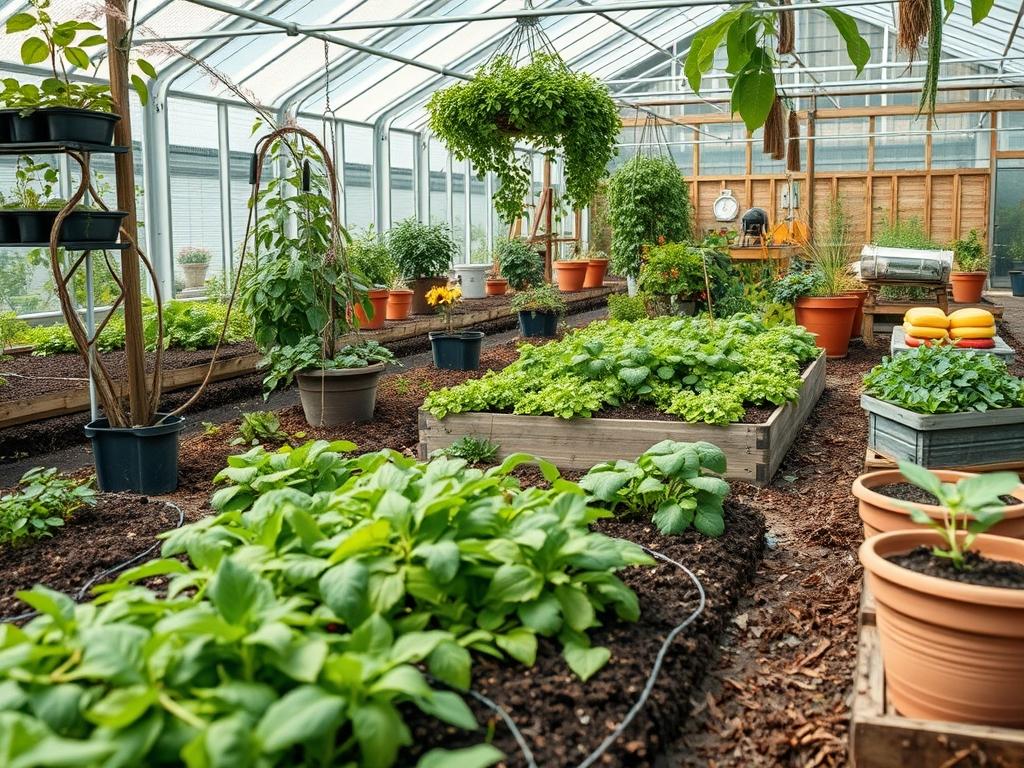
Navigating the intersection of wildlife conservation and refined landscape design requires a nuanced understanding of spatial dynamics. While bird watching provides a serene outdoor experience, the intrusion of squirrels often disrupts the ecological balance of a residential garden. A professional landscape environment must account for regional climate considerations, ensuring that feeding stations do not compromise the property’s curb appeal or structural integrity. By treating bird feeders as integrated site furnishings rather than afterthoughts, consultants can mitigate the frustrations of rodent interference through strategic site planning and advanced deterrent methods. This approach prioritizes outdoor functionality, ensuring the garden remains a sanctuary for avian visitors while maintaining a clean, professional aesthetic.
Landscape Design Principles
Effective squirrel deterrent methods begin with the calculated application of spatial geometry and site layout. Within a professional landscape, symmetry serves as more than just a visual tool; it acts as a method for establishing clear zones of activity. When placing bird feeders, architects use the principle of focal points to draw the eye toward specific garden beds while ensuring these stations are isolated from potential launch sites. This involves a fundamental understanding of the 5-7-9 rule. Squirrels can generally jump 5 feet vertically from the ground, leap 7 feet horizontally from a tree or structure, and are reluctant to drop more than 9 feet from an overhanging limb onto a small target.
Elevation layers play a vital role in this defensive strategy. By utilizing tiered planting schemes, a designer can create a buffer zone around the feeding area. Lower layers of groundcover should be kept clear of debris, while mid-level shrubs are positioned to provide birds with a quick escape route from predators without offering squirrels a structural bridge to the feeder. Irrigation planning is equally critical; keeping the area beneath a feeder dry prevents the germination of spilled seeds and reduces the attraction of ground-dwelling rodents. Walkways should be designed to provide easy access for maintenance, ensuring that the ground beneath feeders remains tidy. A visual balance is achieved by using high-quality Steel Mounting Poles and Semicircular Baffles that complement the surrounding hardscape rather than clashing with it.
Plant and Material Selection
The following table outlines specific plant selections that contribute to a squirrel-resistant landscape while maintaining high aesthetic standards and bird-friendly habitats.
| Plant Type | Sun Exposure | Soil Needs | Water Demand | Growth Speed | Maintenance Level |
| :— | :— | :— | :— | :— | :— |
| Allium (Giant) | Full Sun | Well-drained | Moderate | Fast | Low |
| Fritillaria | Partial Shade | Loamy | High | Moderate | Medium |
| Hyacinth | Full Sun | Organic-rich | Low | Moderate | Low |
| Geranium | Full/Part Sun | Loamy/Neutral | Moderate | Fast | Low |
| Common Boxwood | Full/Part Sun | Well-drained | Moderate | Slow | Medium |
| Daffodils | Full/Part Sun | Versatile | Low | Moderate | Low |
Incorporating Hardscaping materials such as Pea Gravel or River Rock beneath the feeding station is a professional-grade tactic. These materials do not allow squirrels to cache or bury nuts easily, and they simplify the process of clearing fallen hulls. Furthermore, the use of Cedar Mulch provides a natural aromatic deterrent while maintaining the moisture levels of the surrounding soil without encouraging rodent nesting.
Implementation Strategy
The execution of a squirrel-proof garden layout starts with precise grading. The area beneath the bird feeder must be slightly crowned or sloped at a two percent grade to ensure efficient drainage. If water pools under the station, spilled seed will ferment and attract unwanted pests. Use a Post Hole Digger to install a heavy-duty Steel Pole at a depth of at least 24 Inches, securing it with a dry-pour concrete mix for stability. This permanent installation prevents squirrels from rocking the feeder to dislodge seed.
Edging is the next critical step. Define a clear radius of at least 3 Feet around the pole using Steel Edging or Stone Pavers. Within this perimeter, remove all turf and replace it with a layer of Landscape Fabric topped by 3 Inches of crushed stone. This creates a sterile zone that is easy to sweep or vacuum. If the feeder must be hung from a tree, use a Long-Arm Wall Bracket or a high-tensile Steel Wire that extends at least 8 Feet from the trunk. Place a Torpedo Baffle on the pole or a Disk Baffle above the feeder to create a physical barrier that squirrels cannot bypass. The selection of the feeder itself should focus on Weight-Sensitive Perches that close access to the seed port when a heavy animal lands on them.
Common Landscaping Failures
One of the most frequent mistakes in residential landscapes is improper spacing. Designers often place feeders too close to the architectural “envelope” of the home. If a feeder is within 10 Feet of a roofline, gutter, or window ledge, a squirrel will use the structure as a diving board, rendering most deterrents useless. Another common failure is root overcrowding. Planting dense, fast-growing evergreens too close to the bird station provides a concealed path for squirrels to approach undetected.
Drainage mistakes also plague many garden plans. When seed hulls accumulate in areas with poor drainage, they create a thick, anaerobic mat that kills the underlying turf and creates a foul odor. Soil compaction is a secondary issue; heavy foot traffic around a bird feeder to fill it daily can compact the soil, damaging the roots of nearby Ornamental Trees. To fix this, designers should incorporate a dedicated path made of Flagstone or Stepping Stones. Finally, irrigation inefficiencies, such as sprinkler heads that spray directly onto the bird seed, can cause the feed to clump and mold, which is toxic to birds and highly attractive to squirrels looking for an easy meal.
Seasonal Maintenance
Spring maintenance focuses on a thorough deep-clean of the feeding site. Remove any accumulated hulls from the Pea Gravel and check the tension on Weight-Sensitive Feeders. As the ground thaws, ensure the Steel Pole remains plumb and has not shifted due to frost heave. Apply a fresh layer of Bark Mulch to the surrounding beds to maintain a crisp edge.
During the summer, the primary goal is pest management and hydration. Ensure that your irrigation system is not over-saturating the feeding zone. Squirrels are more active and aggressive in the heat, so inspect Baffles for scratches or damage. In the autumn, perform a heavy prune of all surrounding deciduous branches to maintain the 10 Foot clearance. This is the time when squirrels are most desperate to cache food, so meticulous cleanup of fallen seeds is mandatory.
Winter brings its own set of challenges. Snow accumulation can create bridges over Ground Baffles, so use a Shovel to clear the area beneath the feeder frequently. Apply a non-slip Grit to the access paths for safety. Periodically check that ice hasn’t frozen the moving parts of your deterrent feeders, as a frozen perch will allow a squirrel to sit and eat without the mechanism closing.
Professional Landscaping FAQ
How do I stop squirrels from digging in my garden beds?
Install a layer of Hardware Cloth or Chicken Wire just below the mulch line. This physical barrier prevents squirrels from burying nuts without hindering the growth of your Perennials or interfering with your irrigation lines.
Is there a specific mulch that squirrels dislike?
Cedar Mulch and Cypress Mulch are excellent choices. They provide a pungent aroma that rodents find unpleasant. Additionally, the texture is more difficult for them to dig through compared to lighter pine straw or shredded hardwood.
How high should a baffle be placed on a pole?
The top of the Pole Baffle should be at least 5 Feet above the ground. This height exceeds the average vertical leap of a common grey squirrel, ensuring they cannot jump from the ground and grab the pole above the guard.
Can I use plants to hide my bird feeder?
While you can use Ornamental Grasses to soften the base, avoid dense shrubs. Professional layouts keep a clear line of sight around the feeder to prevent squirrels from using the foliage as a concealed “jumping off” point.
What is the best ground cover for under a feeder?
A functional hardscape like Flagstone or a Decomposed Granite bed is superior to grass. It prevents seed germination, is easy to sanitize, and creates a visual “clean zone” that fits the architectural style of a modern landscape.