
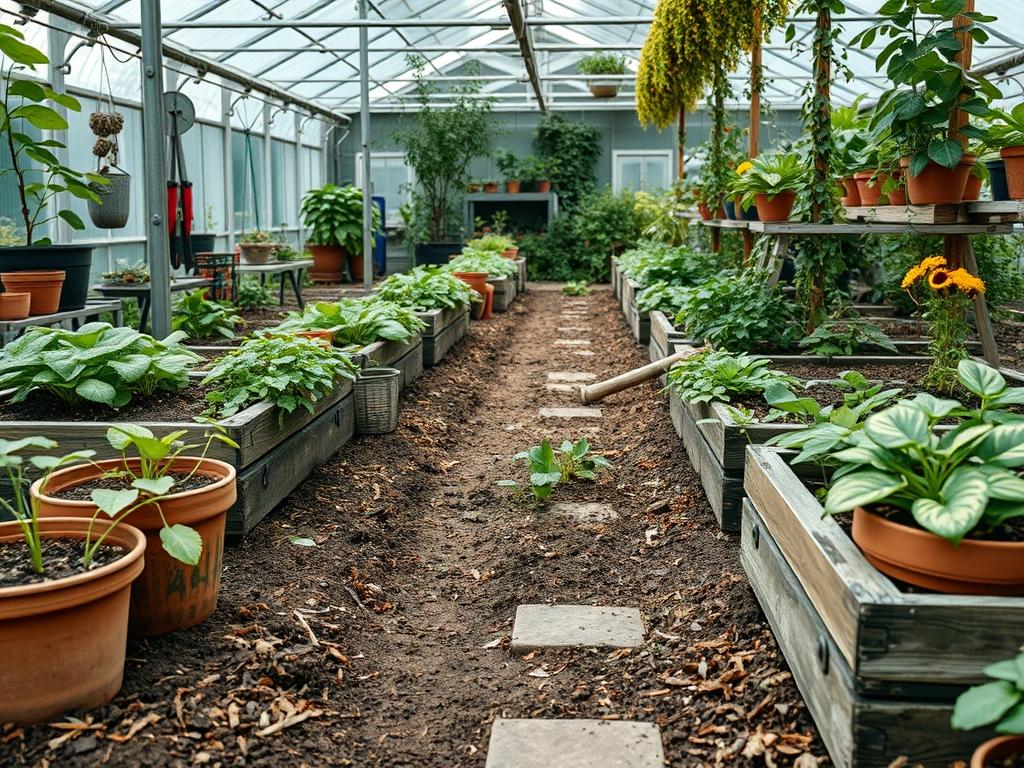
Managing the intersection of aesthetics and pest management requires a sophisticated understanding of how landscape architecture influences animal behavior. When we design for residential properties, the garden shed often becomes a problematic focal point. It represents a transition zone where the structured, human environment meets the more chaotic elements of nature. From a professional perspective, the presence of mice or rats is rarely a random occurrence. It is usually the result of unintentional environmental invitations created by poor site grading, dense vegetation, or inadequate hardscaping choices. Effective Rat and Mouse Control starts long before a trap is set; it begins with the spatial arrangement of the land and the materials chosen to define the outdoor living space. By focusing on site line clarity and moisture reduction, we can enhance curb appeal while naturally discouraging rodents from establishing colonies near utility structures.
Climate considerations play a pivotal role in this design process. In wetter regions, excessive moisture near a wooden shed base can lead to fungal rot, which softens materials and invites gnawing. Conversely, in arid climates, the irrigation lines themselves become a primary water source for local wildlife. A successful landscape consultant views the entire backyard as an integrated system where drainage, plant selection, and elevation work together to create an inhospitable environment for pests. If a shed is tucked into a dark, damp corner with overgrown Euonymus or heavy ivy, it becomes a sanctuary. Our goal is to leverage environmental psychology by creating a landscape that offers no concealment, no easy food sources, and no accessible shelter.
Landscape Design Principles
Modern landscape design for rodent prevention relies heavily on the principle of visual permeability. This means that at any given point in the garden, a predator, or a homeowner, should have a clear line of sight to the ground level around structural foundations. We achieve this by utilizing symmetry and strategic focal points that move the eye away from utility zones. When planning the layout of a garden shed, we prioritize Elevation. Placing a structure on a raised Gravel Pad or a series of Concrete Piers creates a clearance of at least 6 inches from the soil. This gap eliminates the dark, damp voids where rodents prefer to burrow.
Walkway planning is another critical component. By surrounding a shed with a wide perimeter of Flagstone or Pavers, we create a literal barrier of stone. Rodents are hesitant to cross wide, open stretches of hardscape where they are vulnerable to aerial predators. We also focus on vertical layering. In a traditional ornamental bed, we might use three levels of height; however, near a shed, we keep the lower 12 to 18 inches of the vertical plane entirely clear. This approach ensures that there is no “ladder” of vegetation allowing mice to climb onto the roof or into the eaves. Irrigation pipes should be buried at a minimum depth of 12 inches and encased in a protective sleeve of Steel Mesh or coarse Crushed Stone to prevent gnawing.
Plant and Material Selection
The following table outlines selections that serve aesthetic purposes while actively contributing to a rodent-resistant environment through scent or physical structure.
| Plant Type | Sun Exposure | Soil Needs | Water Demand | Growth Speed | Maintenance Level |
| :— | :— | :— | :— | :— | :— |
| Lavandula (Lavender) | Full Sun | Well-drained | Low | Moderate | Prune Annually |
| Mentha (Mint in Pots) | Partial Shade | Loamy/Damp | Moderate | Fast | High (Containment) |
| Rosmarinus (Rosemary) | Full Sun | Sandy/Dry | Very Low | Slow | Low |
| Allium (Ornamental) | Full Sun | Rich/Drained | Moderate | Seasonal | Minimal |
| Nepeta (Catmint) | Full/Partial | Average | Low | Fast | Deadheading |
| Pea Gravel (Material) | N/A | Compacted Subbase | N/A | N/A | Weed Control |
| Crushed Granite | N/A | Graded Soil | N/A | N/A | Occasional Raking |
Implementation Strategy
The actual installation of a rodent-resistant landscape begins with grading. The soil must be sloped away from the shed foundation at a rate of at least 1/4 inch per foot. This preventing water from pooling, which is essential because standing water is a primary attractant for rats. Once the grade is established, we install a heavy-duty Geotextile Fabric over the soil. This prevents weeds from growing, but more importantly, it adds a layer of irritation for burrowing animals. Over this fabric, we apply a layer of 3/4-inch Crushed Stone to a depth of 4 inches. Unlike organic mulch, stone does not provide a warm nesting medium and it is difficult for rodents to tunnel through.
For the transition between the shed and the rest of the garden, we recommend a “Clean Zone” of approximately 2 feet in width. This area should be free of any groundcover plants like Pachysandra or English Ivy. Instead, fill this space with inorganic materials or very low-growing, scented herbs like Creeping Thyme. If the landscape requires a retaining wall nearby, ensure it is a “dry stack” style but backfilled with Clear Stone and capped with solid stone to prevent mice from living in the gaps between the rocks. Finally, edging should be done with Steel Edging or Concrete Curbing rather than wood, as rodents can easily chew through cedar or pine landscape timbers.
Common Landscaping Failures
One of the most frequent mistakes I see in residential landscapes is the “Mulch Volcano” or over-mulching near structures. While wood mulch is excellent for moisture retention in flower beds, it is a primary nesting material for mice. When mulch exceeds a depth of 3 inches or is pushed directly against the siding of a shed, it creates a hidden highway for pests to enter the building. Soil compaction is another hidden failure. Hard, compacted soil leads to poor drainage and provides stable walls for rodent burrows. Incorporating Organic Matter or Aerating the lawn away from the shed can help, but near the structure, the soil should be replaced with compacted Aggregates.
Improper spacing of large shrubs is also a major contributor to infestation. If a Boxwood or Yew is planted too close to a shed wall, their branches eventually touch the structure. This creates a bridge. We advocate for a minimum of 3 feet of clearance between any mature plant canopy and the exterior walls of outbuildings. Additionally, irrigation inefficiencies, such as leaky Drip Emitters or poorly aimed Sprinkler Heads, create localized wet spots. These spots soften the wood of the shed and provide the necessary hydration for a flourishing colony.
Seasonal Maintenance
Landscape management is a year-round commitment. In the spring, the focus should be on thinning out dense perennials and checking the integrity of the Hardware Cloth or Steel Mesh screens installed around the shed base. Spring is also the time to refresh the 3/4-inch Crushed Stone borders, ensuring that no soil or organic debris has blown in to create a medium for burrowing. In summer, the priority shifts to irrigation. Inspect all lines for leaks and ensure that the water is reaching the plants, not the foundation of the shed.
Autumn is perhaps the most critical season for Rat and Mouse Control. As temperatures drop, rodents actively seek winter quarters. This is the time to prune back any “bridges”—branches or tall grasses—that provide access to the roof. Remove all fallen fruit, seeds, or nuts from the area immediately. During winter, we monitor the snowpack. Large drifts against a shed can provide insulation and cover for mice. Keeping a cleared path around the perimeter of the structure during the winter months disrupts their activity and allows you to spot any new entry holes or signs of gnawing in the wood.
Professional Landscaping FAQ
How does lighting affect rodent activity around my shed?
Rodents prefer darkness for safety. Installing Motion-Activated LED Lights or low-voltage Path Lighting around the shed perimeter eliminates shadows and makes the area less attractive for nocturnal foraging. Clear visibility is a primary deterrent for most small mammals.
Can I use organic mulch at all?
Yes, but keep it at least 2 feet away from the shed. Use Inorganic Mulch, such as River Rock or Lava Rock, for the immediate perimeter. This prevents nesting and discourages burrowing while still providing a finished, professional look.
What is the best foundation for a rodent-proof shed?
A Reinforced Concrete Slab is the gold standard. If that is not feasible, a Gravel Pad topped with a frame of Pressure-Treated 4x4s and lined with 1/4-inch Steel Mesh provides a highly effective barrier against entry.
Should I plant Mint to keep rats away?
Mentha species have strong volatile oils that rodents dislike. However, mint is invasive. I recommend planting it in Heavy Ceramic Pots submerged in the ground. This provides the repellent scent benefits without allowing the plant to overtake your entire garden.
Why are my retaining walls attracting mice?
Small gaps in dry-stacked stone are perfect apartments for mice. To prevent this, backfill the wall with angular crushed stone and ensure there is no soil trapped between the layers. Using Polymeric Sand in the joints can also seal potential entry points.