
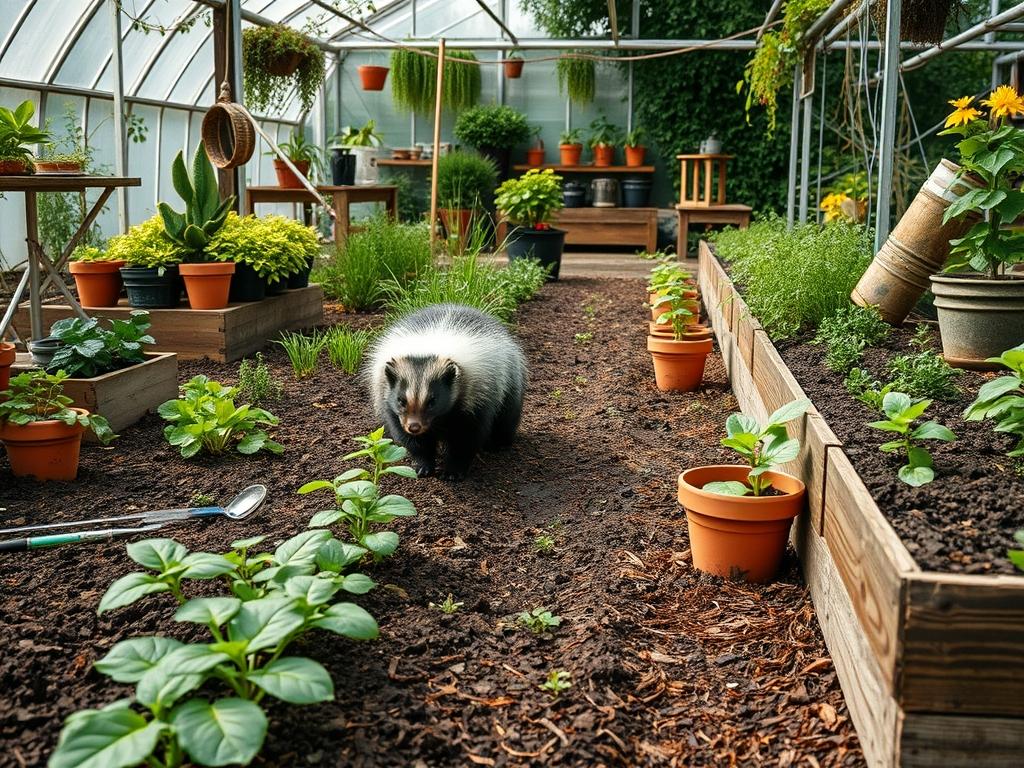
The primary challenge in high-end residential landscape architecture involves balancing aesthetic elegance with functional resilience. When a property becomes a sanctuary for local wildlife, specifically skunks, the integrity of the design often suffers through turf damage, structural nesting, and the obvious olfactory repercussions. Integrating skunk deterrent tips into a comprehensive garden plan requires a deep understanding of site grading, soil biology, and spatial hierarchy. A well-designed outdoor environment serves as the first line of defense; it uses structural barriers and horticultural choices to discourage nocturnal visitors while enhancing the property’s curb appeal. By viewing the landscape through the lens of exclusion and habitat modification, we can create sophisticated spaces that remain pristine regardless of the local ecosystem.
Maintaining an outdoor environment that functions well across varying microclimates requires more than just high-quality materials. It demands a strategy that addresses the root causes of wildlife encroachment. Skunks are opportunistic foragers drawn to grubs, fallen fruit, and secure hiding spots beneath low-profile structures. To mitigate these risks, the architect must consider the site’s elevation and how it interacts with the surrounding topography. Poorly managed drainage can lead to oversaturated soil, which encourages the very larvae that skunks seek. Conversely, a property that prioritizes sharp transitions, clean lines, and intentional vegetation placement offers fewer incentives for a skunk to establish a territory. The goal is to implement professional landscaping strategies that protect the investment without turning the backyard into a fortress.
Landscape Design Principles
A professional landscape relies on the pillars of symmetry, focal points, and elevation layers to guide the eye and the user through the space. When designing with deterrence in mind, the concept of visual balance extends to the management of “dead zones” or cluttered areas where animals might seek shelter. Open sightlines are essential; they reduce the feeling of security for a skunk. By utilizing Motion-Activated Lighting and strategically placed High-Lumen Spotlights, you can disrupt the nocturnal patterns of foraging animals without compromising the ambiance of the outdoor living area.
Elevation plays a critical role in site management. Utilizing Retaining Walls and terraced garden beds creates physical boundaries that are difficult for low-slung mammals to navigate. When constructing these features, it is vital to use a Concrete Footer or a Gravel Trench that extends at least 12 Inches below grade. This prevents burrowing beneath the wall. Furthermore, irrigation planning must be precise. Over-irrigating leads to soft soil and an abundance of grubs, which acts as a dinner bell for local wildlife. Implementing a Smart Irrigation Controller with moisture sensors ensures the lawn receives exactly what it needs, keeping the soil firm and less attractive for digging.
Plant and Material Selection
The selection of flora is where the landscape architect marries sensory appeal with practical utility. Some plant species provide natural deterrents through scent or texture, while others are selected for their ability to thrive in specific solar orientations and soil types.
| Plant Type | Sun Exposure | Soil Needs | Water Demand | Growth Speed | Maintenance Level |
| :— | :— | :— | :— | :— | :— |
| Crown Imperial | Full Sun | Well-drained | Moderate | Medium | Low |
| Lavender | Full Sun | Sandy, Alkaline | Low | Fast | Moderate |
| Oregon Grape | Shade/Part Sun | Acidic, Moist | Medium | Moderate | Low |
| Stinging Nettle | Part Sun | Rich, Loamy | High | Very Fast | High |
| American Holly | Full to Part Sun | Well-drained | Moderate | Slow | Low |
| Summer Squash | Full Sun | Nutrient Rich | High | Fast | Moderate |
When selecting materials for the hardscape, professional-grade Landscape Fabric and high-density Crushed Stone are preferable to light organic mulches in high-traffic zones. While Wood Chips or Bark Mulch are excellent for moisture retention, they can be easily tossed aside by a foraging animal. Using River Rock or Pea Gravel in the first 24 Inches surrounding a home’s foundation or deck eliminates the ability for skunks to dig landing zones for burrows. This material choice provides a sleek, modern finish while serving as a permanent exclusionary measure.
Implementation Strategy
The execution of a skunk-resistant landscape begins with meticulous site grading. Proper drainage away from the foundation ensures that the soil remains stable and dry. During the excavation phase, installers should integrate L-Shaped Basements using 1/4 Inch Galvanized Hardware Cloth. This wire mesh should be buried 12 Inches deep and extend 12 Inches outward in an “L” shape. This configuration is the gold standard for preventing animals from digging under porches, sheds, or decks.
Once the structural exclusions are in place, the focus shifts to edging and mulch depth. A Steel Edging system provides a clean, permanent line between turf and planting beds, making it harder for animals to find a purchase point for digging. For organic mulch areas, keep the depth to a maximum of 3 Inches. Deeper mulch can harbor insects and provide a soft medium for skunks to root through. In areas adjacent to walkways, consider laying down a Polymetric Sand between pavers to create a hard, impenetrable surface that resists both weeds and wildlife.
Common Landscaping Failures
One of the most frequent mistakes in residential design is the overcrowding of foundation plantings. High-density shrubbery placed too close to the home creates a protected corridor for skunks to move undetected. Professional standards suggest a minimum gap of 18 Inches between the structure and any vegetation. This gap, filled with Drainage Rock, ensures airflow and visibility, which are natural deterrents for skunks.
Another common failure involves the use of inappropriate lighting. While soft, low-voltage Path Lights are beautiful, they often leave the center of the lawn in total darkness. Incorporating Motion-Sensing LED Floodlights in the peripheral zones of the property creates a startling effect that discourages animals from lingering. Additionally, neglected woodpiles or debris heaps are essentially luxury housing for skunks. All fuels and construction materials should be stored on an elevated Storage Rack at least 12 Inches off the ground to eliminate nesting opportunities.
Seasonal Maintenance
Landscape management is a year-round commitment that changes with the cycles of the local environment. In the Spring, the priority is grub control and structural inspection. Using a Broadcast Spreader, apply a Beneficial Nematode treatment to the lawn. These microscopic organisms hunt and kill the larvae that skunks dig for, effectively removing the primary food source. During the Summer, focus on irrigation calibration. Ensure that the Sprinkler Heads are not creating puddles or saturated zones that would attract thirsty wildlife during dry spells.
As Autumn approaches, the focus shifts to sanitation and sealing. Promptly remove fallen fruit from Apple Trees or Berry Bushes using a Heavy-Duty Rake. Secure any crawlspace vents with Heavy-Gauge Steel Mesh. In the Winter, though skunks are less active, they do not truly hibernate. Periodically check the perimeter of the home for tracks in the snow that might indicate a winter den. Keeping the property clear of leaf litter and debris during the colder months ensures that there are no cozy hideaways for an animal seeking warmth.
Professional Landscaping FAQ
How do I stop skunks from digging in my lawn?
Address the food source by applying Milky Spore or Nematodes to kill grubs. Keep the soil firm by avoiding over-watering. Use a Power Aerator in the fall to improve soil health and reduce the density of insect larvae.
What is the best physical barrier for a deck?
Install 1/4 Inch Steel Mesh around the entire perimeter. Dig a trench 12 Inches deep, bend the mesh outward in an “L” shape, and backfill with Crushed Stone. This prevents animals from tunneling under the structure.
Can lighting really deter skunks long-term?
Yes, but only if it is motion-activated. Constant light becomes predictable, but sudden High-Intensity LED bursts trigger a flight response. Combine lighting with Ultrasonic Devices for a multi-sensory approach that keeps the environment unpredictable for nocturnal visitors.
Are there specific scents that work in a garden?
Skunks have a sensitive sense of smell. Planting large swaths of Lavender, Marigolds, or Allium creates a scent barrier. For immediate needs, placing Ammonia-Soaked Rags near potential entry points can provide a temporary deterrent during the renovation phase.
How does site grading impact wildlife management?
Poor grading creates standing water and soft earth. Improving the slope ensures rapid runoff, which prevents the soil from becoming a breeding ground for grubs. A well-graded yard stays dryer, firmer, and significantly less attractive to foraging mammals.