
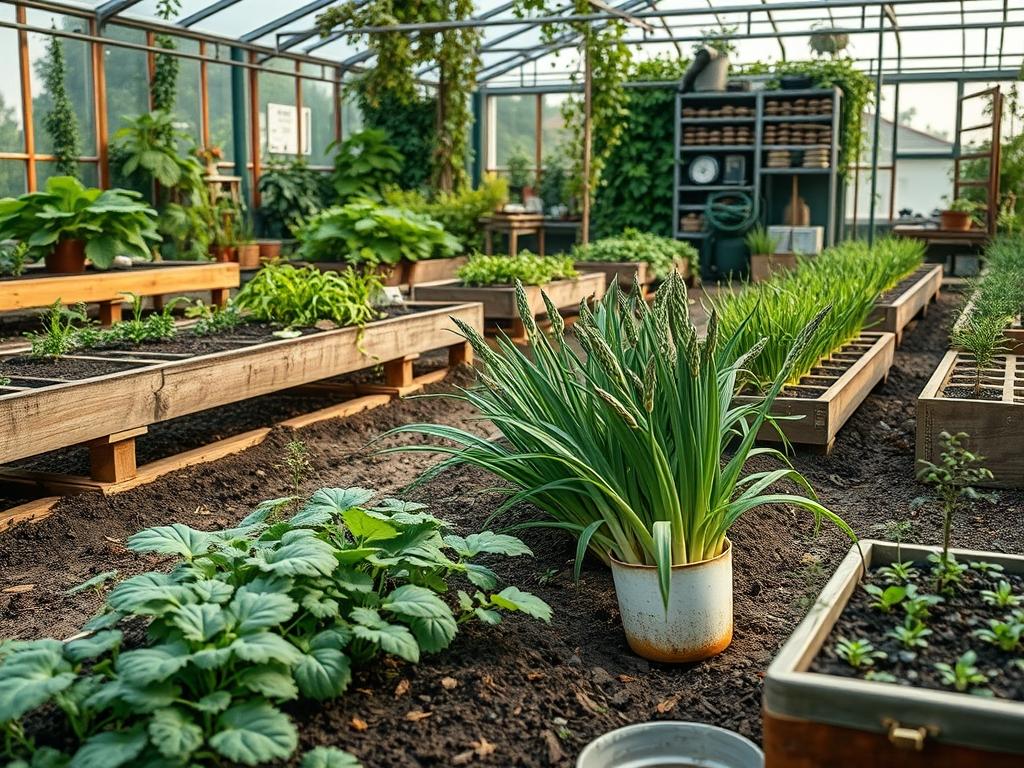
Designing a high-end landscape requires a balance between architectural structure and biological health. The introduction of perennial crops like asparagus into a residential or commercial plan offers incredible texture and seasonal interest, but it also introduces specific management requirements. Asparagus serves as a feathery, vertical element in the garden, reaching heights of up to 5 feet when fully matured. However, the aesthetic and functional success of these beds is often threatened by the emergence of the asparagus beetle in early spring. To maintain curb appeal and ensure the longevity of the installation, a consultant must approach Asparagus Beetle Control with the same precision used for grading or hardscape installation. In early spring, as temperatures rise above 50 degrees Fahrenheit, these pests emerge from leaf litter to feed on emerging spears. If left unmanaged, their feeding causes the spears to scar and brown, eventually leading to a dramatic decline in the plant’s photosynthetic capacity. Properly managing this threat ensures the outdoor environment remains a productive and beautiful extension of the home.
Landscape Design Principles
When integrating asparagus into a formal landscape, symmetry and focal points define the spatial experience. We often use asparagus as a soft, ethereal backdrop behind lower-growing perennials or structured boxwood hedges. This layering creates a sense of depth and elevation that is visually stimulating throughout the summer. To ensure these focal points remain pristine, the design must incorporate easy access for maintenance. We recommend installing 18-inch or 24-inch wide Flagstone or Brick Paver walkways between the beds. These walkways allow for the physical inspection of plants without compacting the soil near the sensitive root crowns.
Irrigation planning is another critical pillar of professional design. Asparagus requires consistent moisture, yet it is highly susceptible to root rot if drainage is poor. We typically specify a Drip Irrigation System with emitters spaced every 12 inches. This targeted delivery minimizes leaf moisture, which can otherwise invite fungal pathogens alongside beetle infestations. By maintaining the health of the plant through proper irrigation and elevation, we bolster its natural defenses against pests. A healthy, vigorous plant can withstand a minor beetle presence far better than a water-stressed specimen. Visual balance is achieved by grouping these plants in clusters rather than isolated stalks, creating a “drift” effect that mimics natural meadow landscapes.
Plant and Material Selection
The following table outlines the specific requirements for plants and materials commonly used in high-quality asparagus installations and their companion environments.
| Plant Type | Sun Exposure | Soil Needs | Water Demand | Growth Speed | Maintenance Level |
| :— | :— | :— | :— | :— | :— |
| Asparagus officinalis | Full Sun | Sandy Loam, pH 6.5-7.0 | Moderate | Moderate | High |
| Marigold (Tagetes) | Full Sun | Well-Drained | Low | Fast | Low |
| Nasturtium | Full Sun | Average to Poor | Low | Fast | Low |
| Dill | Full Sun | Rich, Well-Drained | Moderate | Fast | Medium |
| Tansy | Sun to Part Shade | Any Well-Drained | Low | Fast | Low |
| Red Cedar Mulch | N/A | High Quality | N/A | N/A | Low |
Implementation Strategy
Implementing a professional-grade asparagus bed starts with meticulous site preparation. We begin with grading the area to ensure a 2 percent slope away from building foundations and high-traffic areas. This prevent standing water, which is the primary enemy of the asparagus crown. Once the grade is established, we excavate trenches approximately 12 inches wide and 8 inches deep. We incorporate a mix of Composted Manure, Bone Meal, and Greensand into the bottom of the trench to provide long-term nutrient release.
For effective Asparagus Beetle Control, we recommend a non-chemical barrier approach. During the early spring emergence, Floating Row Covers can be draped over the beds and secured with L-shaped Landscape Staples. This prevents the adult Crioceris asparagi from landing on the spears to lay their eggs. If a chemical intervention is required in a high-end residential setting, we prefer Neem Oil or Pyrethrin applied in the late evening to protect pollinators.
Mulching is the final step in the layout. We apply a 3-inch layer of Hardwood Mulch or Pine Bark Nuggets to suppress weeds and retain moisture. However, we ensure the mulch does not touch the emerging spears directly. A clean edge, created with Steel Edging or Corten Steel, helps define the bed and prevents rhizomatous lawn grasses from encroaching on the asparagus crowns. This clear demarcation also makes it easier to spot the bright orange or black-and-yellow beetles as they climb the stalks.
Common Landscaping Failures
The most common failure in asparagus management is improper drainage. Because these plants are deep-rooted perennials, soil saturation at the 12-inch to 18-inch depth level will lead to crown death within two seasons. Another frequent mistake is root overcrowding. Young crowns are often planted too close together; we recommend a minimum of 12 inches between plants within the row and 3 feet between rows. This spacing allows for adequate airflow, which is the first line of defense against both pests and rust diseases.
Soil compaction is a silent killer in many luxury landscapes. Excessive foot traffic or the use of heavy machinery during installation collapses the macropores in the soil, preventing oxygen from reaching the roots. We use Aeration Tools and avoid walking directly on the beds to keep the soil structure loose. Finally, many property owners fail to recognize the different types of beetles. The common asparagus beetle and the spotted asparagus beetle have different life cycles; the spotted variety primarily feeds on the berries and causes less structural damage to the spears themselves. Misidentifying the pest can lead to unnecessary or mistimed treatments.
Seasonal Maintenance
Spring management is focused on the immediate harvest and pest suppression. As spears emerge, inspect them daily. If you notice the dark, oval eggs standing on end along the spears, scrape them off with a fingernail or a Soft-Bristled Brush. Harvesting spears promptly and cutting them below the soil line with an Asparagus Knife prevents the beetles from completing their life cycle on the plant.
In the summer, the focus shifts to supporting the fern growth. This is the period when the plant gathers energy for the following year. Apply a balanced organic fertilizer and monitor for the second generation of beetle larvae, which look like small, gray, slug-like creatures. Encouraging natural predators such as Ladybugs, Lacewings, and certain types of Wasp species can provide biological control during this time.
Autumn is the season for sanitation. Once the ferns have turned completely yellow or brown after a frost, cut them to the ground using Pruning Shears. It is vital to remove all plant debris from the site and destroy it, as adult beetles overwinter in the hollow stems of dead plants. Do not compost this material if you have had a significant infestation. Cover the bed with a fresh layer of Compost or Leaf Mold to protect the crowns from winter temperature fluctuations.
Winter provides a period of dormancy, but it is also the time to review your landscape records. Evaluate the success of your Asparagus Beetle Control strategy and plan for any necessary soil amendments. Testing the soil pH every three years is a professional standard that ensures the site remains optimal for this long-lived crop.
Professional Landscaping FAQ
How do I identify the common asparagus beetle?
The common asparagus beetle is approximately 1/4 inch long. It features a bluish-black shell with six cream-colored or yellow spots and red margins. They are most active during the warm, sunny parts of the day in early spring.
Will mulch help or hinder beetle control?
Properly applied mulch suppresses weeds that serve as alternate hosts, but excessive, messy debris near the crowns provides overwintering sites for beetles. Use clean, high-quality Cedar Mulch and clear away old stalks in the autumn to minimize risks.
Are there companion plants that repel these pests?
Yes, planting Marigolds or Nasturtiums nearby can help. These plants act as a visual or olfactory deterrent. Some designers also use Tomatoes to protect asparagus, as they produce solanine, which is toxic to the beetles.
When is the best time to apply organic sprays?
Apply Neem Oil or Spinosad in the early morning or late evening. This timing is crucial because it ensures the product is effective against the beetles while minimizing the impact on honeybees and other beneficial insects active during midday.
Why are my asparagus spears curling into a hook shape?
Curling or “pigs-tailing” is a classic sign of asparagus beetle feeding. The beetles eat the tender tissue on one side of the spear, causing the other side to grow faster, which results in the characteristic hook shape.