
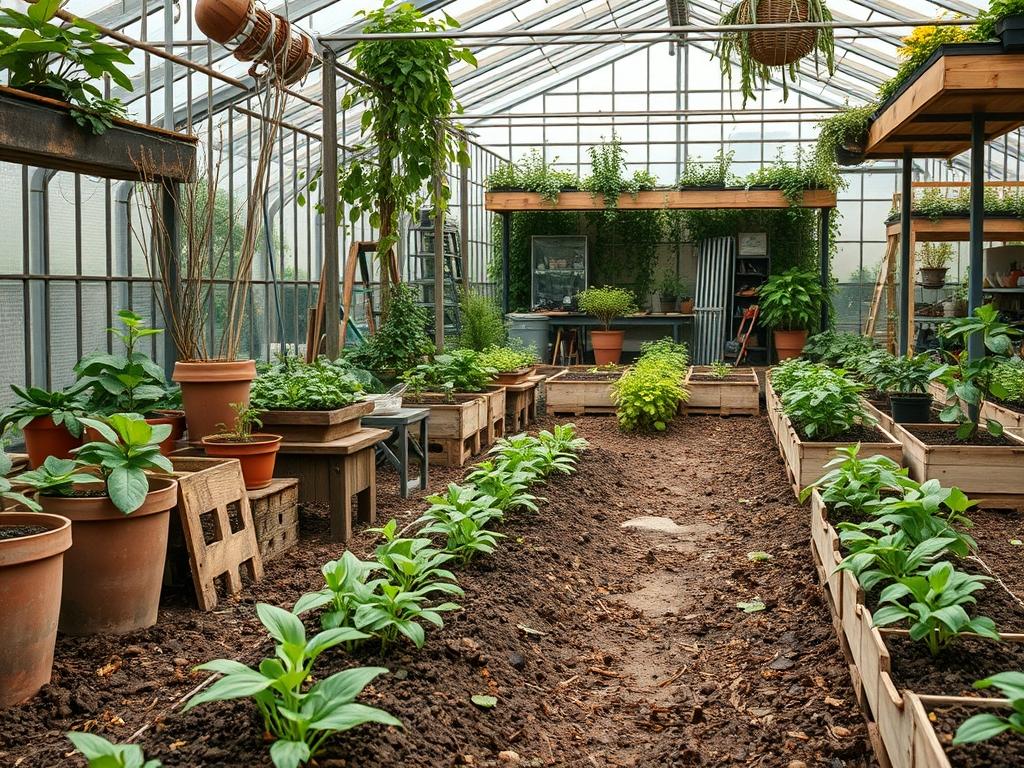
Maintaining a professional landscape requires more than just an eye for aesthetic balance; it demands a deep understanding of the biological pressures that can undermine a design. The tarnished plant bug, or Lygus lineolaris, represents one of the most significant challenges for high-end outdoor environments where fruit and floral displays are the primary focal points. When a landscape architect designs a space, the goal is often to create a permanent, thriving ecosystem that enhances curb appeal and provides functional outdoor living areas. However, an infestation of these insects can lead to distorted growth, known as cat-facing in fruit, and the complete blasting of flower buds. This degradation of plant health directly impacts the visual symmetry and structural integrity of the garden. To achieve effective Tarnished Plant Bug Control, one must integrate pest management directly into the initial landscape layout and ongoing maintenance schedule. We treat the garden not just as a collection of plants, but as a managed environment where airflow, elevation, and moisture levels are calibrated to deter pests while promoting vigorous growth.
Climate considerations play a vital role in how these pests interact with the local flora. In regions with high humidity and dense native vegetation, tarnished plant bugs thrive by migrating from weedy borders into cultivated landscape beds. A well-placed retaining wall or a strategic elevation change can serve as more than just a visual element; it can help create a physical barrier and improve the drainage necessary to keep the canopy dry. By focusing on the functionality of the site, we ensure that the outdoor living areas remain vibrant and free from the aesthetic blight caused by necrotic lesions and stunted terminal shoots.
Landscape Design Principles
In the realm of professional garden planning, symmetry and focal points define the user experience. If a primary focal point, such as a Hybrid Tea Rose or a standard-grafted Pear tree, is compromised by insect damage, the entire visual hierarchy of the landscape collapses. We utilize elevation layers to disrupt the movement of pests. By placing susceptible species in raised planters or higher terrace levels, we can often improve the efficacy of localized treatments and increase the sunlight penetration that these bugs find unfavorable.
Airflow is a critical design component that is often overlooked. We plan the spacing between shrubs and perennials using a minimum 3-foot buffer to ensure that the interior of the plant does not become a stagnant, humid microclimate. This is especially important for the lower elevation layers where moisture tends to linger. Irrigation planning is another cornerstone of our design philosophy. We favor drip irrigation systems over overhead sprayers to keep the foliage dry. By delivering water directly to the root zone, we reduce the ambient humidity within the leaf canopy, making the environment less hospitable for a variety of piercing-sucking insects. Furthermore, the inclusion of clear, defined walkways using pavers or crushed stone helps to break up continuous vegetative mats, providing a natural firebreak for pest migration.
Plant and Material Selection
Selecting the right materials and cultivars is the first line of defense in any professional landscape. While some plants are naturally more resistant, others require specific soil conditions to maintain the physiological strength needed to withstand feeding damage.
| Plant Type | Sun Exposure | Soil Needs | Water Demand | Growth Speed | Maintenance Level |
| :— | :— | :— | :— | :— | :— |
| Peonies | Full Sun | Well-drained, Rich | Medium | Moderate | Medium |
| Strawberries | Full Sun | Sandy Loam | High | Fast | High |
| Apples | Full Sun | Loamy, Neutral pH | Moderate | Slow to Moderate | High |
| Dahlias | Full Sun | Organic-rich | Medium | Fast | Moderate |
| Marigolds | Full Sun | Average | Low to Medium | Fast | Low |
| Sunflowers | Full Sun | Deep, Well-drained | Moderate | Very Fast | Low |
For hardware and hardscaping, we recommend using treated timber or natural stone for borders. These materials do not provide the same overwintering opportunities as rotting wood or thick organic debris. The use of weed-barrier fabric beneath a layer of hardwood mulch is also a strategic choice to limit the emergence of broadleaf weeds which serve as the primary nursery for young tarnished plant bug nymphs.
Implementation Strategy
The successful implementation of a landscape plan begins with thorough site preparation. We start by grading the area to ensure a 2 percent slope away from the primary structure and planting beds. This prevents standing water, which can stress plants and attract a variety of unwanted insects. Once the grading is complete, we mark the layout for the hardscaping elements. Installing steel edging or Belgian block borders creates a crisp line between the lawn and the garden beds, which is essential for curb appeal and for discouraging the encroachment of host weeds like clover and fleabane.
During the planting phase, the depth of the mulch is vital. We apply a consistent 3-inch layer of shredded cedar mulch or pine bark nuggets. This depth is sufficient to suppress weed growth without suffocating the root systems of the desired ornamental plants. For fruit-bearing species, we implement a specific layout that allows for easy access to all sides of the tree or shrub. This facilitates the use of pheromone traps and regular monitoring. When setting our plants, we use a hand trowel or a post-hole auger to ensure the holes are twice as wide as the root ball, providing the loose soil necessary for rapid establishment. A well-established plant is far more resilient to the stresses of Tarnished Plant Bug Control than one struggling with compacted soil or poor drainage.
Common Landscaping Failures
Modern landscaping often falls victim to the desire for immediate density, leading to root overcrowding. When plants are spaced too closely, they compete for the same nutrients and water, which weakens their natural defense mechanisms. This stress makes them prime targets for tarnished plant bugs. Another common failure is the neglect of drainage. Soil compaction, often caused by heavy machinery during construction, prevents water from penetrating the subsoil. This results in “bathtubbing,” where roots sit in stagnant water, leading to root rot and increased susceptibility to insect attack.
Irrigation inefficiencies also contribute significantly to pest problems. Over-watering with automated systems that lack rain sensors can lead to excessive succulent growth, which is exactly what the tarnished plant bug prefers to feed on. Furthermore, failing to manage the perimeter of the landscape is a major oversight. If the areas beyond the manicured lawn are left to grow wild with alfalfa or pigweed, the landscape serves as a constant sink for pest populations. We recommend a managed transition zone where native grasses are kept trimmed to a height of 4 inches to reduce the habitat for overwintering adults.
Seasonal Maintenance
Seasonal management is the engine that keeps a landscape beautiful and healthy. In the spring, the focus is on cleanup. Removing the spent foliage of perennials and clearing out any leaf litter that has accumulated against retaining walls or under shrubs is essential. This removes the overwintering sites for the adult bugs. We also recommend a light application of a slow-release fertilizer to encourage steady growth rather than a flush of soft, vulnerable tissue.
During the summer months, the priority shifts to monitoring and moisture management. We use yellow sticky cards placed at a height of 18 inches to track insect activity. If populations reach an economic or aesthetic threshold, localized treatments with neem oil or an approved insecticidal soap can be applied during the early morning hours. Autumn is the time for sanitation. All fallen fruit and deadheaded flowers should be removed and composted away from the main garden beds. Finally, in the winter, we inspect the bark of woody ornamentals and fruit trees. Ensuring that the landscape is dormant and clean before the first snowfall involves a final rake of the mulch layers and the pruning of any damaged or crossing branches with sharp bypass pruners.
Professional Landscaping FAQ
How does mulch type affect tarnished plant bug populations?
Cedar mulch is often preferred because its natural oils may repel certain insects. More importantly, maintaining a 3-inch depth suppresses the weeds where these bugs lay their eggs, effectively breaking their life cycle within your managed beds.
Can irrigation timing help with Tarnished Plant Bug Control?
Yes. Watering in the early morning allows foliage to dry quickly in the sun. Tarnished plant bugs are more active in high-humidity environments. Keeping the canopy dry through proper timing and drip emitters makes the landscape less inviting.
Why are focal point flowers like dahlias so susceptible?
These plants produce large, succulent buds that are rich in nutrients. The bugs pierce the developing tissue, causing the flower to open unevenly or fail entirely. Professional designs require constant monitoring of these high-value ornamental species.
Does elevation really impact insect pressure in a garden?
By using tiered planters or terracing, you improve air circulation around the plants. Higher elevations often experience more wind and less trapped humidity, which naturally discourages the tarnished plant bug from settling and feeding on your prize specimens.
What is the best way to handle weedy borders?
Establish a mowed buffer zone of at least 10 feet between your ornamental beds and wild areas. Keeping this grass short prevents host weeds from flowering, which removes the primary food source and breeding ground for the bugs.