
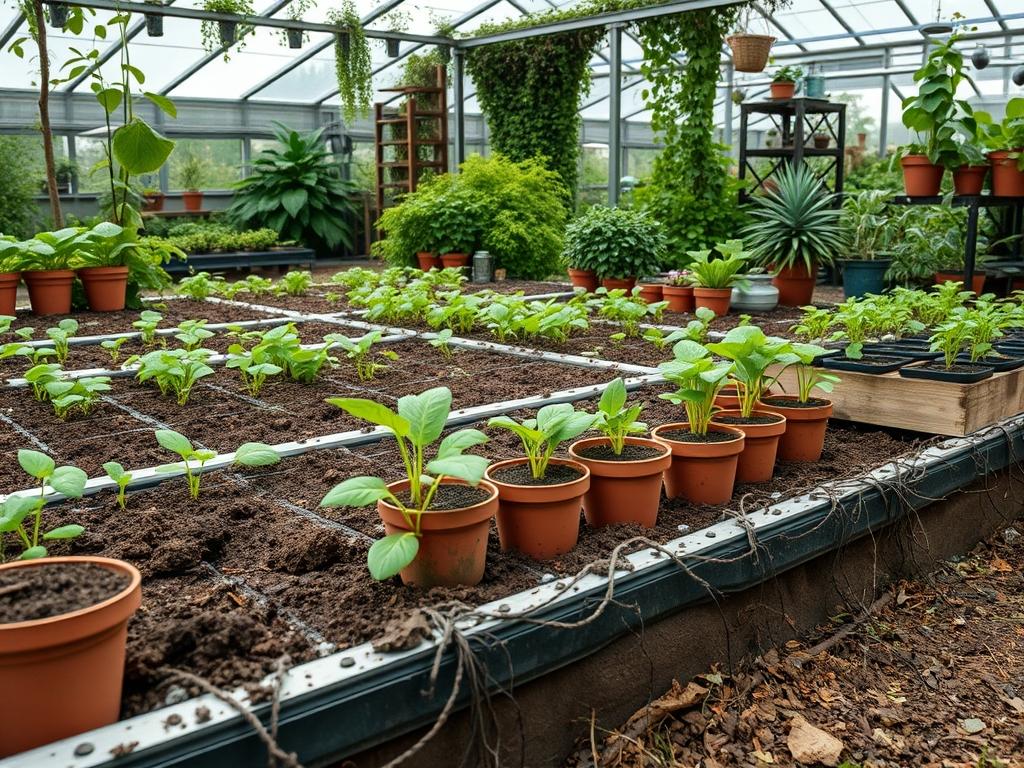
Integrating a productive edible garden into a high-end residential landscape requires a sophisticated balance between aesthetic appeal and biological security. While the architectural structure of Lacinato Kale and the dense, geometric patterns of Savoy Cabbage offer exceptional texture for curb appeal, these species are vulnerable to a devastating soil-borne pathogen known as Plasmodiophora brassicae. This organism causes clubroot, a condition that results in gnarled, swollen root systems that inhibit water and nutrient uptake. For a landscape to remain both functional and visually stunning, the design must prioritize soil health and structural isolation. Effective Clubroot Prevention Tips start with an understanding of site topography and the physics of water movement. When a landscape architect plans a kitchen garden, the focus often shifts to sunlight and proximity to the home, but in regions prone to pathogens, the strategy must include subsurface drainage and precise soil chemistry management. A well-designed garden bed should not only highlight the deep purples and vibrant greens of Ornamental Cabbage but also serve as a fortified environment where disease cannot easily migrate.
Success in modern landscaping is measured by the longevity of the plant material and the resilience of the ecosystem. If a focal point in a backyard design involves a cluster of Red Russian Kale, the failure of those plants due to root rot or clubroot creates a glaring aesthetic deficit. This necessitates a proactive approach to soil preparation and site grading to ensure that contemporary irrigation practices do not inadvertently spread spores. By treating the garden as a series of controlled zones, a consultant can manage the outdoor environment to prevent the catastrophic loss of prized Brassicas. The following sections outline the professional standards for designing, implementing, and maintaining a landscape that remains beautiful and productive despite the hidden threats lurking beneath the soil surface.
Landscape Design Principles
A professional landscape design relies on symmetry and focal points to guide the eye, yet when dealing with the threat of soil pathogens, these principles must be paired with functional elevation layers. To prevent the spread of clubroot, designers should utilize raised beds or terraced Retaining Walls to isolate different planting zones. This vertical separation prevents runoff from an infected area from reaching healthy soil. Visual balance is achieved by staggering the heights of Cabbage and Kale within these elevated structures, creating a sense of depth that also serves as a barrier.
Irrigation planning is equally critical in the design phase. Overhead watering can cause soil splashing, which is a primary vector for moving pathogen spores. Instead, a professional layout incorporates Drip Irrigation Lines buried under a layer of Hardwood Mulch. This keeps the foliage dry and the soil surface stable. Walkways should be designed using non-porous materials like Flagstone or Paver Stones set in a Polymeric Sand base. This creates a clean path for the gardener, reducing the risk of tracking contaminated mud from one quadrant of the landscape to another. Focal points should be anchored with perennial elements, while the vegetable components are treated as seasonal accents within a structured, permanent framework.
Plant and Material Selection
Selecting the right cultivars and soil amendments is the first line of defense in any professional garden plan. Resistance varies significantly among different species.
| Plant or Material Type | Sun Exposure | Soil Needs | Water Demand | Growth Speed | Maintenance Level |
| :— | :— | :— | :— | :— | :— |
| Lacinato Kale | Full Sun | High Calcium | Moderate | Fast | Medium |
| Red Cabbage | Full Sun | pH 7.2 or higher | High | Slow | High |
| Hydrated Lime | N/A | Alkaline Adj. | N/A | N/A | Professional Use |
| Geotextile Fabric | N/A | Drainage Layer | N/A | N/A | Low |
| Curly Kale | Full Sun | Well-Drained | Moderate | Medium | Low |
| Mycorrhizal Fungi | N/A | Living Soil | N/A | N/A | Low |
Using Hydrated Lime is a specific tactic used by professionals to raise the soil pH to at least 7.0 or 7.2, as the clubroot pathogen struggles to germinate in alkaline environments. This should be combined with Standard Potting Mix and Organic Compost to ensure nutrition is not sacrificed for alkalinity.
Implementation Strategy
The implementation process begins with a comprehensive site survey and soil test. Precise measurements of the garden’s initial pH and nutrient levels are recorded using a Digital Soil Meter. Once the site is mapped, the grading process starts. A slope of 2 percent is often ideal to ensure water moves away from the root zones without causing erosion. For areas designated for Cabbage, a deeper excavation is required to install a drainage layer consisting of 3 inches of crushed gravel topped with Landscape Fabric.
After the structural base is set, the installation of 6-inch Western Red Cedar boards for raised beds provides a clean, aesthetic border that contains the specialized soil mix. When planting Kale or Cabbage, spacing is vital. Providing 18 inches to 24 inches between each plant ensures adequate airflow and reduces the humidity at the soil level, which can otherwise encourage fungal growth. During the transition from the nursery to the ground, every tool, including Hand Trowels and Shovels, should be disinfected with a 10 percent bleach solution to ensure no pathogens are introduced during the construction phase. Finally, a 2-inch layer of Wheat Straw or Pine Bark is applied as mulch to regulate soil temperature and prevent the upward splashing of soil during rain events.
Common Landscaping Failures
The most frequent failure in managing clubroot is the improper movement of soil via maintenance equipment. A professional site can become contaminated if a Rototiller is moved from a localized “hot zone” to a clean bed without thorough steam cleaning. Soil compaction is another significant failure; when soil becomes dense and anaerobic, the clubroot pathogen thrives. This is often caused by heavy foot traffic or the use of heavy machinery near the garden beds during the rainy season.
Irrigation inefficiencies also contribute to pathogen outbreaks. Over-saturation creates the perfect “swimming” environment for the motile zoospores of Plasmodiophora brassicae. If a drainage system is clocked or if the 4-inch Corrugated Pipe used for runoff is improperly angled, water will pool, leading to a rapid spread of the disease. Furthermore, root overcrowding often happens when homeowners value immediate “curb appeal” over-long term plant health. When Cabbage plants are grouped too closely, their roots interlock, allowing a single infected plant to contaminate an entire row via direct contact.
Seasonal Maintenance
Seasonal care is the backbone of long-term landscape integrity. In the spring, the primary focus is soil temperature and pH adjustment. Before any Kale seedlings are introduced, the soil should be tested again. If the pH has drifted below 7.0, a fresh application of Dolomitic Lime is required. This is also the time to inspect the Drip Irrigation Emmitters for clogs to ensure consistent moisture delivery.
During the summer months, maintenance shifts to monitoring and sanitation. Any plant showing signs of wilting during the heat of the day, despite adequate moisture, should be suspected of infection. These plants must be removed immediately, including the surrounding soil and the entire root ball, using a Square-Point Shovel. In the autumn, the removal of all Brassica crop residue is mandatory. Do not compost these materials; instead, dispose of them in a landfill to prevent recurring infections. Finally, winter involves the “resting” of the soil and the cleaning of all Gardening Forks, Shears, and Boots using Isopropyl Alcohol or a dedicated Disinfectant Mat at the garden entrance to prepare for a clean start the following year.
Professional Landscaping FAQ
How can I tell if my Kale has clubroot?
Look for stunted growth and wilting during the day that recovers at night. If you pull the plant, the roots will appear swollen, distorted, and “club-like” rather than fibrous and thin. Professional soil testing can confirm the pathogen presence.
Will raising the pH always prevent clubroot?
Raising the pH to 7.2 using Liquid Lime or Hydrated Lime significantly inhibits the pathogen but may not eliminate it entirely if the spore count is extremely high. It is a suppression tactic, not a total sterilization method.
Can I still grow other plants in a clubroot area?
Yes, clubroot only affects members of the Brassicaceae family. You can safely plant Lettuce, Tomatoes, or Marigolds in the affected soil. This makes crop rotation a vital design strategy for maintaining a beautiful garden without losing productivity.
What is the best mulch for preventing soil splash?
A heavy, coarse mulch such as Nugget-Style Pine Bark or Clean Wheat Straw is best. These materials create a physical barrier that absorbs the energy of falling water, preventing the soil and spores from jumping onto the lower leaves.
Should I use a rototiller in my garden?
Avoid rototilling if you suspect clubroot. The blades of a Power Tiller carry contaminated soil across the entire yard. Instead, use a “no-dig” method or a Broadfork to aerate the soil without horizontally displacing the subterranean layers.