
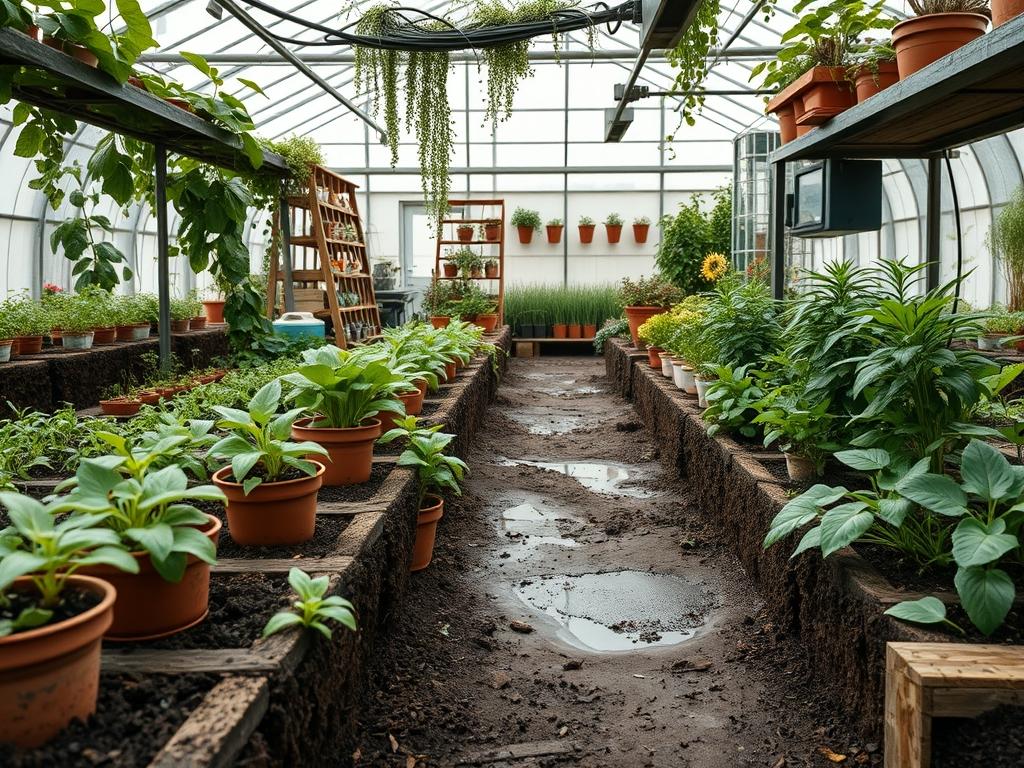
Maintaining a high-end landscape requires more than an eye for aesthetics and a mastery of spatial geometry. Beneath the surface of a manicured lawn or a vibrant perennial border, a complex biological ecosystem dictates the success or failure of every planting. One of the most persistent challenges for the modern landscape architect is the presence of Root-Knot Nematode Soil. These microscopic roundworms inhabit the rhizosphere, where they penetrate root tissues to create galls, or knots, that obstruct the flow of water and essential nutrients. For a homeowner, this manifests as a mysterious decline in curb appeal; plants appear stunted, wilted, or yellowed despite adequate irrigation and fertilization. To ensure outdoor functionality and longevity, a professional landscape plan must address soil health through a combination of structural intervention, site grading, and the strategic use of bio-suppressive cover crops.
Successfully managing infested sites begins with understanding that these pathogens thrive in sandy, porous environments and move through the soil via water films. When a site inventory reveals the presence of these pests, the design must shift from purely ornamental to functionally regenerative. By integrating soil health into the initial planning stages, we can creates a resilient environment where focal points remain lush and guest pathways are not marred by dying vegetation. This professional approach treats the soil as an active engineering component, much like a retaining wall or a drainage system, ensuring that the visual balance of the property is preserved for decades rather than just a few seasons.
Landscape Design Principles
Effective design in areas with Root-Knot Nematode Soil hinges on the principle of isolation and replacement. If the site survey indicates heavy infestation, elevation becomes a primary tool. By utilizing Retaining walls and raised planters, a designer can physically separate high-value ornamental species from the native, infested soil. These structures should be built to a height of at least 18 inches, allowing for a controlled root zone filled with sterilized, high-organic-matter engineered soil. This also introduces dynamic elevation layers to the backyard, creating visual interest and clear focal points that draw the eye away from ground-level challenges.
Symmetry and balance are often disrupted when nematode damage causes uneven growth rates among hedge rows or foundational plantings. To counter this, professional architects employ a diversity of species rather than monocultures. Integrating nematode-resistant cultivars with native species creates a biological buffer. Irrigation planning is also critical; overhead watering should be avoided in favor of Drip irrigation emitters. Excessive surface water facilitates the movement of nematode larvae from one plant to another. By delivering water directly to the base of the plant at a controlled rate, we minimize the subterranean spread. Furthermore, incorporating wide Flagstone walkways or Gravel paths lined with Geotextile fabric serves a dual purpose. These hardscaped areas act as firebreaks against pest migration while providing structured flow for foot traffic throughout the garden.
Plant and Material Selection
The following table outlines specific cover crops and materials used to suppress nematode populations and improve the structural integrity of the landscape.
| Plant Type | Sun Exposure | Soil Needs | Water Demand | Growth Speed | Maintenance Level |
| :— | :— | :— | :— | :— | :— |
| French Marigolds | Full Sun | Well-drained | Moderate | Fast | Low |
| Sunn Hemp | Full Sun | Adaptable | Low | Very Fast | Moderate |
| Cereal Rye | Full to Part Sun | Loamy | Moderate | Fast | Low |
| Oilseed Radish | Full Sun | Deep, loose | Moderate | Fast | Moderate |
| White Clover | Part Shade/Sun | Moist | High | Medium | Low |
| Mustard Greens | Full Sun | Nitrogen-rich | Moderate | Fast | High (for tilling) |
Beyond plant selection, the materials used in the landscape play a significant role. Hardwood mulch should be applied at a depth of 3 inches to regulate soil temperature. Studies suggest that certain fungal colonies that thrive in decomposing mulch can act as natural predators to nematodes. For structural elements, use Pressure-treated timber or Natural stone to define boundaries; these materials do not harbor pests and provide a clean, professional finish to the garden beds.
Implementation Strategy
The transition from a design on paper to a physical landscape requires a methodical implementation strategy. The process starts with site grading to ensure that all water runoff moves away from planned planting pockets. Use a Transit level to confirm a minimum slope of 2 percent across the lawn areas. Once the grade is established, the focus shifts to soil solarization if the infestation is severe. This involves leveling the area with a Rake and covering it with Clear polyethylene plastic for 6 to 8 weeks during the peak of summer. The trapped solar heat can effectively reduce nematode populations in the top 12 inches of the soil profile.
Following solarization, the introduction of bio-fumigant cover crops like Mustard or Sudangrass acts as a biological cleanse. Once these plants reach maturity, they are chopped and incorporated into the soil using a Rear-tine tiller. As the green matter decomposes, it releases isothiocyanates, which are natural chemical compounds toxic to nematodes. After the soil has rested for 2 weeks, the permanent landscape can be installed. Use Steel edging to create crisp lines between turf and beds, and ensure that every new plant is installed with a starter fertilizer high in phosphorus to encourage rapid root establishment, which helps the plant outpace any residual pest pressure.
Common Landscaping Failures
One of the most frequent mistakes in professional landscaping is the failure to address drainage inefficiencies. In Root-Knot Nematode Soil, standing water is more than an aesthetic nuisance; it is a primary vector for disease. If a backyard has a “soggy” spot, it should be mitigated with a French drain using 4-inch perforated pipe and River rock. Without proper drainage, any nematode management efforts will likely fail as the pests migrate through saturated soil.
Another common pitfall is root overcrowding. Landscape contractors often plant for “instant impact,” placing shrubs too close together. This creates a stressful environment where roots compete for limited resources, making them easy targets for nematodes. Always adhere to the mature spread measurements provided by the nursery. Similarly, soil compaction from heavy machinery during construction can suffocate roots. Every planting bed should be thoroughly aerated with a Broadfork or Mechanical aerator before any decorative plants are positioned. Neglecting the soil structure while focusing only on the “green” side of the project lead to a landscape that looks beautiful for one year but fails by the third.
Seasonal Maintenance
Landscape management is a year-round commitment that changes with the cycles of the environment. In the spring, the focus should be on terminating winter cover crops. If you utilized Cereal Rye to protect the soil over the colder months, it must be mowed and tilled before it goes to seed. This is also the ideal time to apply a fresh layer of Compost, which introduces beneficial microbes that compete with harmful nematodes.
During the summer, irrigation monitoring is paramount. Use a Soil moisture meter to ensure that deep watering is occurring infrequently rather than shallow watering daily. This encourages roots to grow deeper into the soil where nematode concentrations are often lower. In autumn, as deciduous plants enter dormancy, perform a thorough cleanup of fallen leaf litter. Debris can harbor other pests and pathogens that further weaken a nematode-stressed plant. Finally, winter is the season for structural maintenance. Check Retaining walls for shifting and clean out any Drainage grates to ensure that winter rains do not cause soil erosion or localized flooding, which could redistribute nematode eggs across the property.
Professional Landscaping FAQ
What is the fastest way to identify Root-Knot Nematode Soil?
Carefully excavate a suspected plant and inspect the roots for irregular, swollen galls. Unlike nitrogen-fixing nodules that sit on the side of roots, nematode galls are integral to the root tissue and cannot be easily rubbed off by hand.
Can I use native plants to manage nematode populations?
Yes, many native grasses and certain wildflowers are naturally resistant. Incorporating these into your landscape creates a “non-host” environment, which naturally causes nematode populations to decline over time because they lack a viable food source to complete their life cycle.
Does mulch depth really impact soil pathogens?
Absolutely. Specialized Arborist wood chips applied at a depth of 3 to 4 inches encourage the growth of nematophagous fungi. These beneficial fungi create microscopic traps to capture and consume nematodes, significantly reducing their numbers in the upper soil layers.
Are there chemical treatments for residential soil nematodes?
Most effective nematicides are restricted for professional agricultural use. For residential landscapes, we recommend biological products containing Paecilomyces lilacinus, a beneficial fungus that targets nematode eggs. This approach is safer for pets, children, and the broader local ecosystem.
How long should I grow cover crops before planting ornamentals?
For maximum benefit, a cover crop should be grown for at least 60 to 90 days. This allows the plants to produce enough biomass and root exudates to significantly alter the soil chemistry and disrupt the nematode reproductive cycle before the ornamental installation.