The primary objective of a sophisticated landscape scheme is the seamless integration of aesthetics and plant health. When incorporating apple trees into a residential or commercial site, the architect must look beyond the immediate beauty of spring blossoms and consider the long term viability of the specimen. Apple scab, caused by the fungus Venturia inaequalis, represents one of the most significant challenges to maintaining a pristine outdoor environment. This pathogen does not merely affect the fruit; it causes premature defoliation, which can leave a once vibrant focal point looking skeletal and neglected by mid August. Effective scab disease management begins with the initial site survey and follows through to the final selection of hardscape materials. By understanding the intersection of microclimates, airflow, and plant pathology, we can design landscapes that thrive with minimal chemical intervention.
The success of an orchard or a single ornamental apple tree depends heavily on the local climate and the specific topography of the lot. High humidity and lingering leaf wetness are the primary drivers of fungal infections. Therefore, a landscape consultant must prioritize site orientation to maximize morning sun exposure, which facilitates the rapid evaporation of dew. Curb appeal is directly tied to the structural integrity of the tree canopy. When a tree is ravaged by scab, the leaves develop olive green spots that eventually turn black, leading to a scorched appearance. This degradation of the foliage reduces the functional shade provided by the tree and diminishes the overall value of the property. Integrating scab management into the design phase ensures that the landscape remains a functional, beautiful asset rather than a maintenance liability.
Landscape Design Principles
Symmetry and visual balance are the hallmarks of a professional garden, but these goals must be tempered by biological requirements. In designing for scab disease management, the spacing between specimens is the most critical variable. Narrow spacing creates a stagnant air mass where fungal spores can easily travel from leaf to leaf. We recommend a minimum distance of 15 to 20 feet between standard apple trees to allow for adequate wind penetration. This architectural choice prevents the formation of high humidity pockets that serve as incubators for disease. When planning the layout, consider the use of focal points that do not rely solely on a single species. By interspersing non host plants, you create a “biological break” that slows the spread of pathogens across the garden.
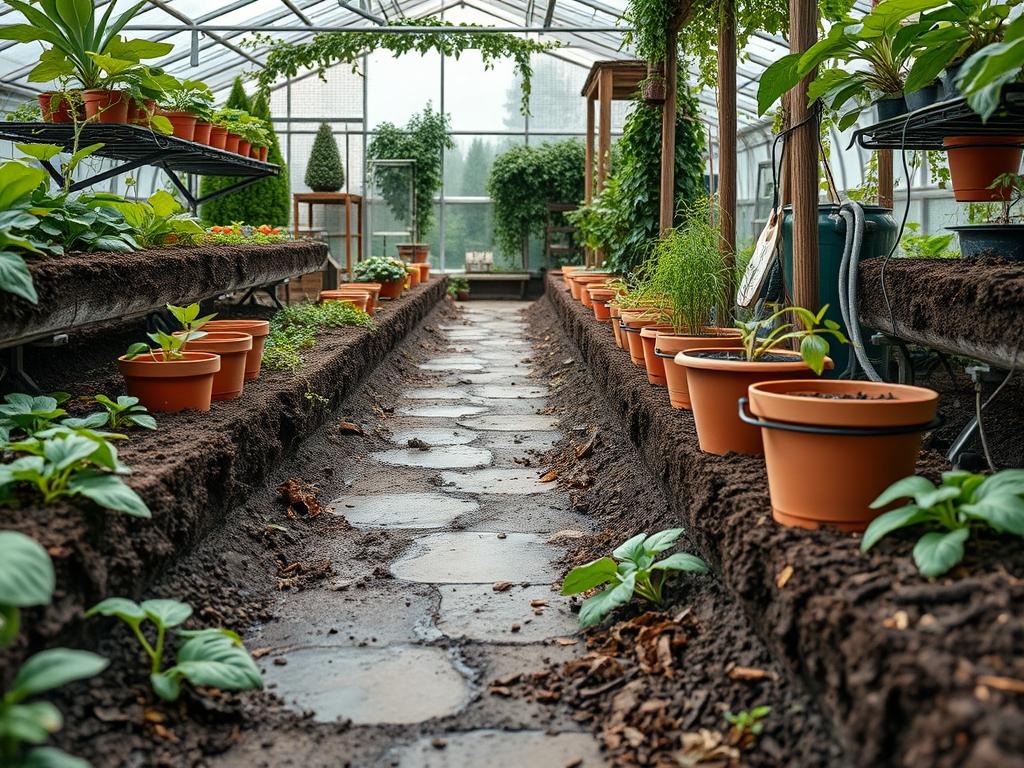
Elevation layers also play a significant role in the health of the understory. A well designed landscape utilizes diverse heights to create interest, but the area beneath an apple tree should remain relatively open. Low lying shrubs or dense groundcovers can trap moisture near the base of the trunk, increasing the risk of infection. Instead, utilize a clean Edging strategy with Hardwood Mulch to maintain a clear zone. Irrigation planning is another pillar of professional design. Overhead sprinters are the enemy of the apple tree. A professional landscape plan will always specify Drip Irrigation Lines or Soaker Hoses buried beneath the mulch. These systems deliver water directly to the root zone, keeping the foliage dry and significantly reducing the windows of opportunity for fungal spores to germinate.
Walkways and hardscape elements should be positioned to allow for easy access for maintenance. A tree that is tucked into an inaccessible corner is a tree that will not be properly pruned or monitored. By incorporating stone paths or Pea Gravel walkways around the orchard zone, the homeowner is encouraged to conduct regular inspections. Furthermore, the use of Retaining Walls can help manage soil drainage in areas with high clay content. Ensuring that the tree is planted on a slight “hump” or elevated grade prevents water from pooling around the crown; this is a foundational principle of preventing secondary root issues that often accompany stressed, scab-ridden trees.
Plant and Material Selection
Selecting the right cultivars is the most effective way to preemptive scab disease management. Modern horticulture has provided several “immune” or highly resistant varieties that maintain their aesthetic value throughout the season.
| Plant Type | Sun Exposure | Soil Needs | Water Demand | Growth Speed | Maintenance Level |
| :— | :— | :— | :— | :— | :— |
| Liberty Apple | Full Sun | Well Drained | Moderate | Medium | Low (Resistant) |
| Enterprise Apple | Full Sun | Loamy/Rich | Moderate | Fast | Low (Resistant) |
| Freedom Apple | Full Sun | Neutral pH | Moderate | Medium | Low (Resistant) |
| GoldRush Apple | Full Sun | Deep Loam | High | Slow | Medium |
| Lavender | Full Sun | Sandy/Dry | Low | Fast | Low (Companion) |
| Hardwood Mulch | N/A | No-Soil | N/A | N/A | 3 Inch Depth |
| Drip Tubing | N/A | N/A | Continuous | N/A | Annual Check |
Implementation Strategy
The transition from a design on paper to a physical landscape requires a disciplined approach to site preparation. Begin with professional grading. The area designated for the apple trees must have a gentle slope, ideally around 2 percent, to ensure surface water moves away from the planting site. If the area is naturally low lying, consider installing a French Drain topped with Decorative River Rock to channel excess moisture. Once the skeleton of the landscape is graded, the planting holes should be excavated to twice the width of the root ball but no deeper than the original container. This encourages lateral root growth and prevents the tree from settling too deep, which can lead to collar rot.
Edging provides more than just a clean visual line; it serves as a barrier against turf grass, which competes for nutrients. Use a heavy duty Steel Edging or Treated Timber to define the “scab management zone.” Inside this zone, apply a layer of Organic Compost followed by 3 inches of Wood Chips. This layering mimics a forest floor, suppressing weeds and regulating soil temperature. During the installation of hardscape elements, ensure that heavy machinery does not compact the soil within the drip line of the trees. Soil compaction reduces oxygen availability and stresses the tree, making it significantly more susceptible to scab infections.
Common Landscaping Failures
One of the most frequent errors in garden planning is the over reliance on high nitrogen fertilizers. While nitrogen promotes lush green growth, it also produces “soft” succulent foliage that is easily penetrated by the Venturia fungus. A professional approach utilizes slow release, balanced nutrients based on a specific soil test. Another common failure is the improper disposal of fallen leaves. In many residential landscapes, leaves are simply mulched back into the turf or left under the tree. This is a catastrophic mistake for scab disease management. The fungus overwinters on these fallen leaves; leaving them in place ensures a massive release of spores the following spring.
Root overcrowding is also a silent killer. When trees are planted too close to Basement Walls or Swimming Pools, their root systems are restricted, leading to physiological stress. A stressed tree lacks the chemical defenses necessary to fight off fungal invasion. Furthermore, many landscapes suffer from “irrigation overlap,” where turf sprinklers hit the canopy of the apple trees. This creates a perpetually damp environment. Correcting this requires a complete audit of the irrigation zones to ensure that woody ornamentals and turf grass are on separate schedules with different delivery methods.
Seasonal Maintenance
Scab disease management is a year round commitment that changes with the seasons. In the Spring, the focus is on monitoring the “Green Tip” stage. As the first buds break, the risk of primary infection is at its highest. If the weather is consistently wet, a professional may apply a protective coating of Copper Fungicide or Sulfur to prevent spore attachment. Summer maintenance involves thinning the fruit and removing “water sprouts,” those vigorous vertical shoots that clog the center of the tree and block airflow.
Autumn is perhaps the most critical season for sanitation. Every single fallen leaf must be raked and removed from the site or destroyed. This removes the “inoculum” for the following year. Finally, Winter is the time for structural pruning. Use Bypass Pruners and Pruning Saws to open up the canopy. The goal is to create a “vase” shape that allows sunlight to reach the interior branches. Always disinfect tools with an Alcohol Rub between trees to prevent the accidental transfer of pathogens.
Professional Landscaping FAQ
How does airflow affect scab disease management?
Airflow reduces the duration of leaf wetness by accelerating evaporation. Since the scab fungus requires several hours of continuous moisture to infect a leaf, maintaining an open canopy and generous spacing effectively disrupts the infection cycle.
Can I use decorative groundcovers under my apple trees?
It is generally discouraged. Dense groundcovers like Vinca or Ivy trap humidity and make it impossible to rake away infected leaf litter in autumn. A clean mulch bed of 3 inches is the superior architectural choice.
What is the best irrigation method for fruit trees?
Drip Irrigation or In line Emitters are the gold standard. These methods keep the water at the soil level, preventing the foliage from getting wet, which is the primary requirement for a scab outbreak.
Are there truly scab-immune apple varieties?
While no plant is 100 percent immune to every strain, varieties like Liberty and Enterprise are highly resistant. They require significantly fewer fungicide applications, making them ideal for low maintenance or organic professional landscapes.
How deep should my mulch layer be?
Maintain a depth of 3 inches. Use a “donut” shape where the mulch is pulled back 6 inches from the trunk. This prevents bark rot while still suppressing weeds and retaining necessary soil moisture for the tree.