
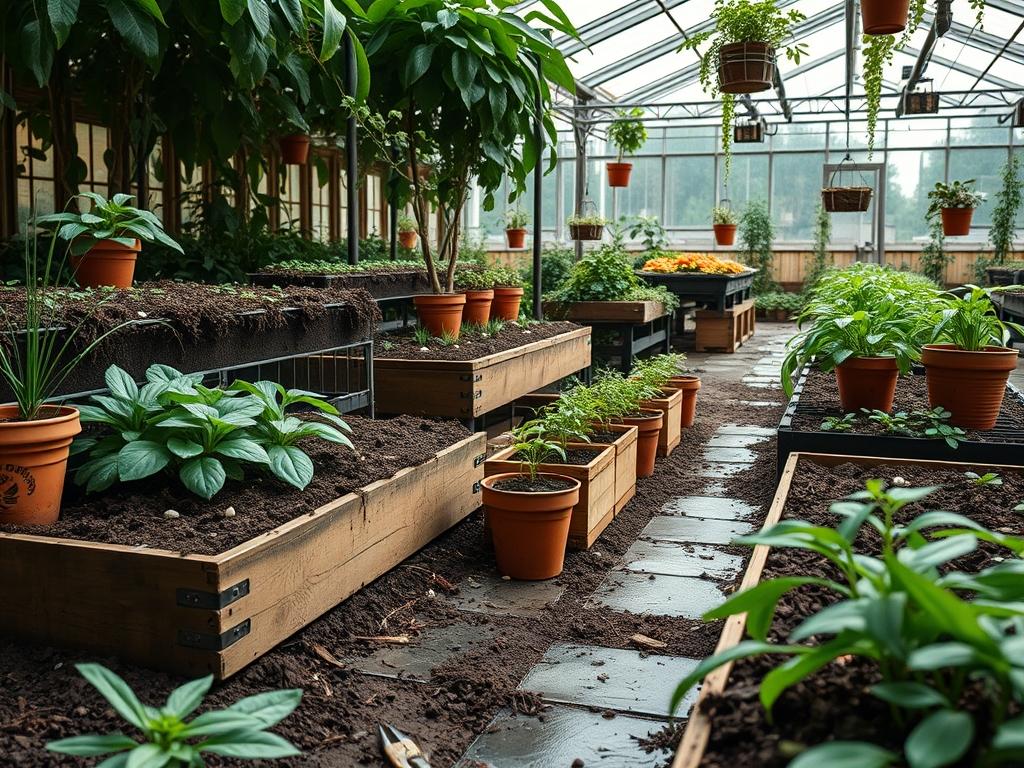
The presence of viral pathogens in a curated outdoor environment represents one of the most significant challenges for landscape architects and estate managers. When a client invests in a high-end landscape, they are purchasing a vision of permanence, health, and architectural symmetry. Mosaic Virus Identification becomes a critical skill set in this context because viral infections do not simply cause temporary wilt; they permanently alter the genetic expression and aesthetic value of the plant material. From a curb appeal perspective, a single infected Hosta or Rose bush can disrupt the rhythm of a repetitive planting scheme, creating a visual “gap” that is difficult to fill without risking the health of the entire installation. Beyond aesthetics, the functional goal of any landscape is to maintain a self-sustaining ecosystem. Viruses compromise this by weakening the host, making it more susceptible to secondary fungal infections or environmental stressors like drought and frost. Managing these risks requires a sophisticated understanding of how viruses move through a site, the role of climate in vector activity, and the importance of using disease-free stock to protect the long-term integrity of the design.
Landscape Design Principles
Effective landscape design relies on the deliberate placement of elements to create a sense of order and purpose. When we consider Mosaic Virus Identification within design principles, we must focus on spatial distancing and species diversity. Symmetry is a hallmark of formal garden design, yet it is also a vulnerability. If an architect specifies a linear row of Boxwoods and one becomes infected with a mosaic strain, the entire geometric pattern is compromised. To mitigate this, we employ “visual buffering,” using non-susceptible species to break up large monocultures. This limits the “bridge effect” where pests like Aphids move easily from one host to the next along a continuous green line.
Focal points should be selected not only for their beauty but for their resilience. A central Japanese Maple or a specimen Oak provides a structural anchor that is generally resistant to the common mosaic viruses affecting herbaceous perennials. Furthermore, elevation layers play a role in hygiene. By using Retaining Walls and terraced beds, we can control the movement of surface water. Since some viral particles can be transported via contaminated runoff or soil particles, managing the grade ensures that water moves away from sensitive root zones. Walkways and hardscaping also serve as biological firebreaks. A wide Bluestone Path or a Gravel Walkway provides a physical barrier that prevents the intermingling of foliage, which is a primary transmission route when gardeners move through the space or when wind causes leaves to rub together.
Plant and Material Selection
Selecting the right materials involves more than just choosing colors. It requires a biological audit of the site. The following table outlines plants often used in high-end landscapes that require diligent monitoring for viral symptoms.
| Plant Type | Sun Exposure | Soil Needs | Water Demand | Growth Speed | Maintenance Level |
| :— | :— | :— | :— | :— | :— |
| Rosa species | Full Sun | Rich, Loamy | Moderate | Fast | High |
| Cucurbita pepo | Full Sun | Well-drained | High | Aggressive | Moderate |
| Hosta hybrids | Full Shade | High Organic | Moderate | Medium | Low |
| Nicotiana | Partial Sun | Sandy Loam | Moderate | Medium | Moderate |
| Canna Lily | Full Sun | Moist, Fertile | High | Fast | High |
| Petunia x hybrida | Full Sun | Neutral pH | Moderate | Fast | Moderate |
In addition to plant selection, the materials used for installation are vital. We specify Certified Disease-Free Stock from reputable nurseries. For soil amendments, we recommend Composted Organic Matter that has reached internal temperatures of 140 degrees Fahrenheit to ensure that any latent viral particles are denatured.
Implementation Strategy
The transition from a design on paper to a physical landscape requires a rigorous implementation strategy focused on biosecurity. The first step in any backyard or garden layout is grading. Proper drainage prevents the pooling of water which can attract moisture-loving insects like Whiteflies, known vectors for various mosaic strains. We ensure a minimum 2 percent slope away from the primary planting beds.
Once the grade is established, we implement a strict sanitation protocol for all hardscaping and planting activities. Before a single hole is dug, all Spades, Shovels, and Trowels must be disinfected with a solution of 10 percent Bleach or 70 percent Isopropyl Alcohol. This prevents the introduction of soil-borne viruses from previous job sites. When placing plants, spacing is calculated based on the mature width of the species plus an additional 6 inches of “air gap” to ensure proper ventilation. This prevents the humid microclimates where viral vectors thrive.
Edging is installed using Steel Edging or Deep Plastic Borders to create a clear definition between lawn areas and planting beds. This is crucial because many common weeds, such as Plantain or Chickweed, serve as silent reservoirs for mosaic viruses. By maintaining a clean edge, we reduce the likelihood of the virus jumping from the “wild” areas of the property into the ornamental displays. Finally, we apply a 3 inch layer of Cedar Mulch. This mulch acts as a physical barrier against soil splashing onto lower leaves during heavy rain, which is a common transmission method for tobacco mosaic virus.
Common Landscaping Failures
The most frequent failure in professional landscaping is root overcrowding. When plants are packed too tightly for “instant impact,” their root systems compete for nutrients, leading to physiological stress. A stressed plant has weakened cellular walls, making Mosaic Virus Identification much easier for a trained eye, as the symptoms manifest more aggressively. Another mistake is improper irrigation planning. Overhead Sprinklers are a major liability; they create wet foliage and help transport viral particles across the garden. Modern designs should prioritize Drip Irrigation systems buried under the mulch to deliver water directly to the root zone without wetting the canopy.
Soil compaction is another silent killer. In heavy traffic areas, the soil loses its pore space, leading to poor oxygenation of the roots. This renders the plant unable to synthesize the proteins necessary for its innate immune response. Furthermore, many contractors fail to implement a “clean tool” policy. If a maintenance crew prunes an infected Rose and then moves directly to a healthy specimen without sanitizing their Pruning Shears, the virus is injected directly into the vascular system of the healthy plant. This mechanical transmission is the most common way viruses spread in managed estates.
Seasonal Maintenance
Landscape management is a year-round commitment. In the spring, the focus is on vector suppression. We monitor for the emergence of Aphids and Leafhoppers using Yellow Sticky Traps. Early detection of these pests is the most effective way to prevent the initial inoculation of the virus into the garden. We also perform a “nursery audit” of any new spring arrivals, looking for the tell-tale mottled yellow patterns or “shoestring” leaf deformities associated with the virus.
Summer maintenance involves rigorous scouting and sanitation. As heat levels rise, plants may show signs of stress. It is vital to distinguish between nutrient deficiencies and viral symptoms. Mosaic Virus Identification usually involves distinct, asymmetrical patterns, whereas a nitrogen deficiency often appears as a uniform yellowing of older leaves. If an infected plant is found, it must be “rogued” immediately. Roguing involves removing the entire plant, including the root ball, and disposing of it in a sealed bag. It should never be added to a home compost pile.
In the autumn, the goal is site sanitation. We remove all fallen leaf litter from susceptible species. Since some viruses can overwinter in plant debris, clearing the beds down to the mulch layer is essential. We also apply a final round of Horticultural Oil to dormant woody stems to suffocate any overwintering insect eggs. Winter is the season for planning and tool maintenance. We take this time to sharpen and sterilize all Loppers and Saws, ensuring that the first cuts of the new year are clean and pathogen-free.
Professional Landscaping FAQ
How can I tell the difference between a virus and a nutrient deficiency?
Viral infections typically cause irregular, mottled, or “mosaic” patterns of light and dark green on leaves. Nutrient deficiencies, such as iron chlorosis, usually present as uniform yellowing between the leaf veins across many leaves simultaneously.
Can Mosaic Virus be cured with chemical sprays?
No, there are no curative chemical treatments for viral infections in plants. Once a plant is infected, the virus resides within the cellular structure. Management focuses entirely on prevention, vector control, and the removal of infected host material.
Does mulch help prevent the spread of garden viruses?
Yes, a thick layer of Wood Chips or Bark Mulch prevents soil from splashing onto the foliage during rain. This reduces the risk of soil-borne viral particles coming into contact with the lower leaves of the plants.
What is the best way to disinfect my garden tools?
Tools should be wiped down or soaked in 70 percent Isopropyl Alcohol or a 10 percent Bleach solution. For the best results, allow the disinfectant to remain on the metal surface for at least one minute before wiping.
Are certain plant varieties more resistant to mosaic viruses?
Many modern hybrids are specifically bred for resistance. When selecting Tomatoes or Roses, look for labels indicating “V” or “TMV” resistance, which signifies the plant’s ability to withstand common viral strains without showing structural damage.