
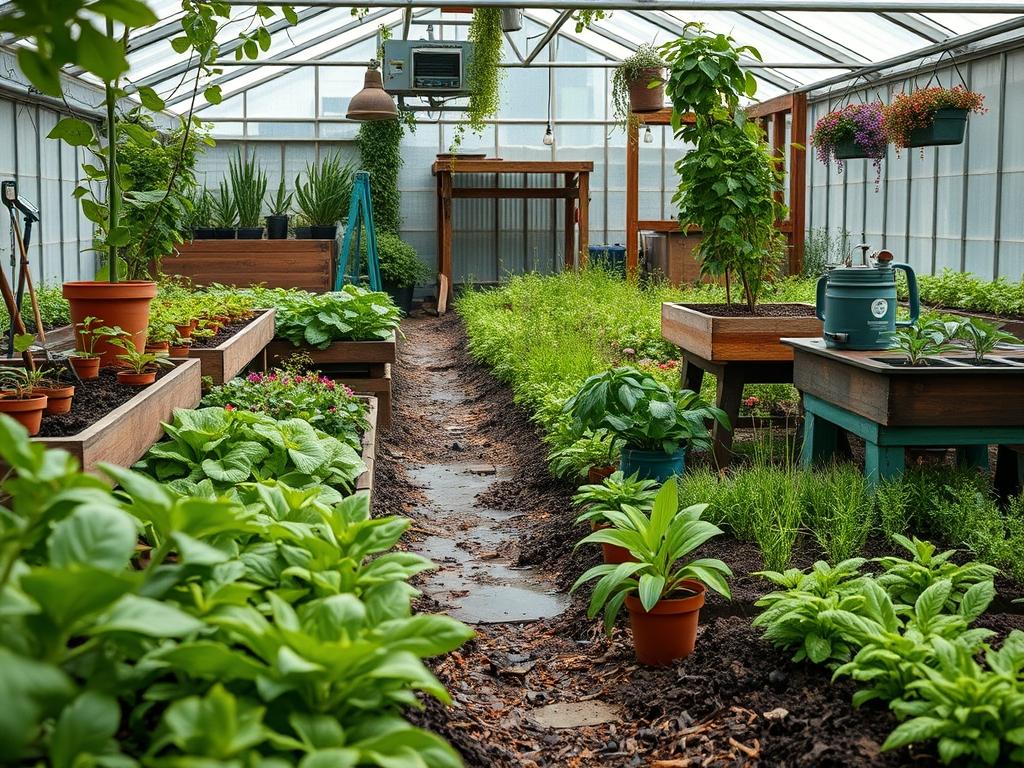
Modern landscaping is more than just a visual exercise in curb appeal; it is the creation of a functional, living ecosystem. Homeowners and commercial property managers often struggle with the balance between a manicured aesthetic and the biological health of their soil. Choosing the right Beneficial Insect Blends transforms a garden from a static backdrop into a living defense system. This approach relies on selecting specific plant varieties that attract predatory insects such as Ladybugs, Lacewings, and Hoverflies. By integrating these blends, we reduce the need for chemical intervention while ensuring the longevity of high-value specimen trees and shrubs. Climate plays a significant role here, as a drought-stressed environment often invites pests that can decimate a property value in a single season. Functional landscaping must address the site-specific challenges of drainage, elevation, and sun exposure while providing a sanctuary for the organisms that keep the environment in balance.
When we design a garden for a specific niche, we must consider the outdoor functionality goals of the occupants. A family backyard requires durable turf and open play spaces, yet these can be bordered by strategically planned insectary strips. These strips serve as a biological corridor, connecting different parts of the property and ensuring that pest control is distributed evenly. The curb appeal impact of a biodiverse landscape is often superior to a monoculture; the variety of textures, bloom times, and heights creates a dynamic visual experience. Integrating these elements requires a professional understanding of how plants interact not only with the soil but with the atmospheric conditions of the micro-region. A successful landscape architect balances these biological needs with the architectural lines of the home to create a seamless transition from the built environment to the natural world.
Landscape Design Principles
Professional landscape design begins with the concept of symmetry and visual balance. This does not always mean a mirror image, but rather a distribution of visual weight that feels stable and intentional. In a niche focused on beneficial insects, horizontal and vertical layers are essential. Focal points should be created using specimen plants like a Japanese Maple or a large Stone Fountain, which draw the eye while providing necessary moisture for the insect population. Elevation layers help organize the space; low groundcovers occupy the foreground, while mid-sized perennials and tall shrubs create a backdrop. This layering mimics natural forest edges, which are the most productive habitats for beneficial biology.
Irrigation planning must be integrated into the initial design phase to avoid retrofitting costs. Drip Irrigation systems are preferred for insect-friendly gardens because they deliver water directly to the root zone, keeping the foliage dry and reducing the risk of fungal diseases. Walkways should be planned to guide movement through the space without compacting the soil near sensitive planting beds. Using materials like Decomposed Granite or Flagstone allows for water permeability, which is a key component of sustainable drainage. Visual balance is achieved by repeating certain colors or textures throughout the garden, which creates a sense of cohesion even when using a diverse range of plant species in your Beneficial Insect Blends.
Plant and Material Selection
| Plant Type | Sun Exposure | Soil Needs | Water Demand | Growth Speed | Maintenance Level |
| :— | :— | :— | :— | :— | :— |
| Yarrow | Full Sun | Well-drained | Low | Fast | Low |
| Dill | Full Sun | Rich, Loamy | Moderate | Moderate | Moderate |
| Fennel | Full Sun | Well-drained | Moderate | Fast | Low |
| Coriander | Part Shade | Fertile | High | Fast | Moderate |
| Calendula | Full Sun | Any | Moderate | Moderate | Low |
| Sweet Alyssum | Full Sun/Part Shade | Well-drained | Moderate | Fast | Low |
| Bee Balm | Full Sun | Moist, Rich | High | Moderate | Moderate |
| Lavender | Full Sun | Sandy, Gritty | Low | Slow | Moderate |
Implementation Strategy
The implementation phase begins with professional grading. The ground must be sloped away from the home foundation at a minimum of a 2 percent grade to prevent basement flooding and soil saturation. Once the grade is established, define the garden beds using Steel Edging or Tumbled Stone to create a clean break between the turf and the planting zones. This edging prevents invasive grass roots from encroaching on your insect-friendly perennials. Drainage is the next priority. If the site has heavy clay, installing a French Drain with 1 inch Clean Stone and Perforated PVC Pipe will ensure that the roots of your Beneficial Insect Blends do not rot during heavy spring rains.
When placing plants, follow the layout specified in your design plan, paying close attention to the mature width of each species. Use a Post Hole Digger or a Transplant Spade to create holes twice the width of the root ball. After planting, apply a layer of Hardwood Mulch at a depth of exactly 3 inches. This depth is optimal for moisture retention and weed suppression without suffocating the soil. Avoid the common mistake of mounding mulch against the trunks of trees, often called volcano mulching, as this invites pests and decay. Hardscaping elements like Retaining Walls or Paver Patios should be installed before the plants to avoid damaging the new greenery with heavy machinery.
Common Landscaping Failures
One of the most frequent failures in residential landscaping is improper drainage. When water pools in the center of a lawn or near a planting bed, it creates anaerobic soil conditions that kill beneficial microbes and drown the roots of expensive plants. Another common issue is root overcrowding. It is tempting to plant closely for immediate impact, but failing to account for the mature size of a Northern Red Oak or a Cedar tree will lead to structural problems and nutrient competition within five years. Proper spacing is the hallmark of a professional installation.
Soil compaction is a silent killer in many landscapes. During construction, heavy equipment packs the earth so tightly that tiny air pockets disappear. Without these pockets, oxygen cannot reach the roots, and water cannot penetrate the surface. Using a Power Aerator or incorporating Organic Compost can help mitigate this. Finally, irrigation inefficiencies often plague modern gardens. Over-watering is just as damaging as under-watering; it leaches nutrients from the soil and encourages shallow root systems that cannot survive a summer heatwave. A smart Irrigation Controller with a rain sensor is a vital tool for any high-end landscape.
Seasonal Maintenance
Spring is the season for preparation and renewal. Start by removing any dead perennial stalks left over from winter, but wait until temperatures are consistently above 50 degrees Fahrenheit to allow hibernating insects to emerge. Apply a slow-release Organic Fertilizer and check the Drip Irrigation emitters for clogs. This is also the best time to refresh your Mulch and redefine bed edges with a Manual Edger.
Summer maintenance focuses on water management and monitoring. As temperatures rise, check for signs of moisture stress in your Beneficial Insect Blends. Early morning watering is most efficient to minimize evaporation. Monitor for pests like Aphids or Spider Mites. If your insect blends are working correctly, you should see an influx of predators rather than a need for chemical sprays. Deadheading spent flowers will encourage a second flush of blooms, providing a continuous food source for your garden’s winged residents.
Autumn is about preservation and protection. Instead of a scorched-earth cleanup, leave some leaf litter in the garden beds. This material serves as a natural insulation for the soil and a winter habitat for beneficial bugs. Plant spring-flowering bulbs like Tulips or Daffodils during this window. Winter is the time for structural pruning of deciduous trees using Bypass Pruners. While the plants are dormant, you can clearly see the branch structure and remove any crossing or diseased limbs without stressing the tree.
Professional Landscaping FAQ
What is the best way to start a beneficial insect garden?
Begin by testing your soil pH and drainage. Clear the area of weeds, then introduce a mix of Native Plants and herbs like Dill and Coriander that provide nectar for adult predatory insects.
How deep should my garden mulch be?
Maintain a consistent depth of 3 inches. This provides enough coverage to retain moisture and suppress weeds while still allowing the soil to breathe and beneficial ground beetles to move freely through the landscape.
Can I use pesticides in an insect-friendly landscape?
Avoid broad-spectrum insecticides, as they kill both pests and beneficials. If an intervention is necessary, use targeted Insecticidal Soap or Neem Oil only on the affected areas during the late evening when pollinators are less active.
How do I fix poor drainage in a flat yard?
Install a French Drain or create a Rain Garden at the lowest point of the property. Using Gravel-filled Trenches and water-loving plants like River Birch can help manage excess surface water effectively.
Why is spacing so important when planting?
Proper spacing ensures each plant has access to adequate sunlight, airflow, and soil nutrients. Overcrowding leads to high humidity around the foliage, which triggers fungal outbreaks and stunts the growth of your Specimen Shrubs.