
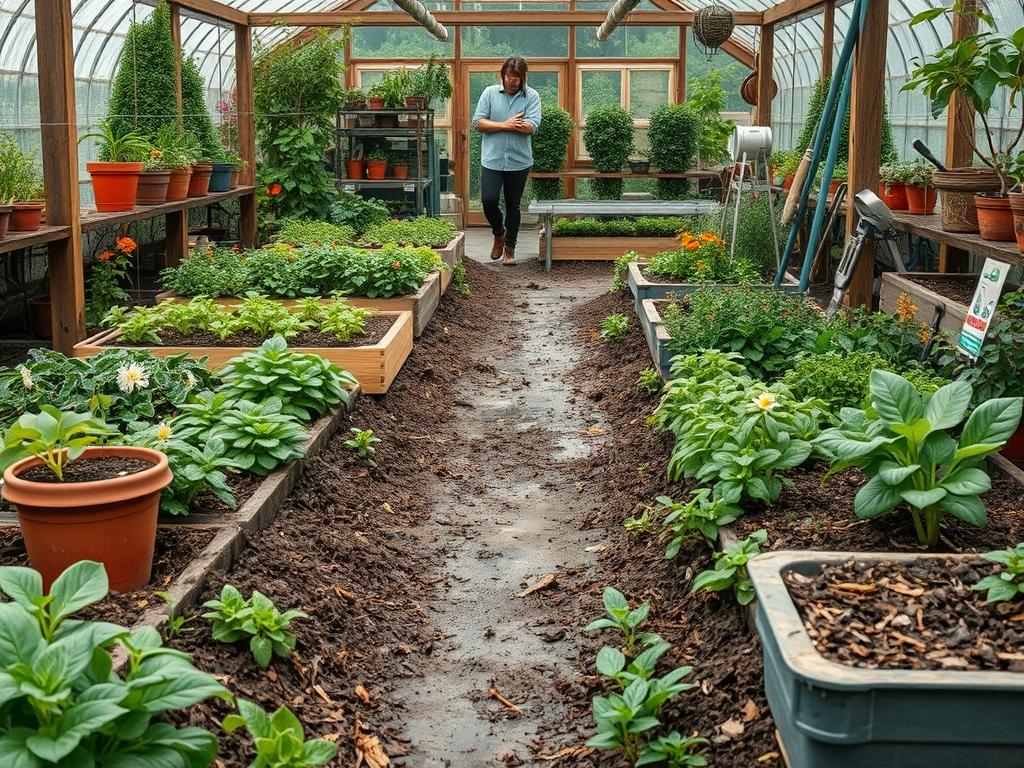
Integrating effective pest barriers into a luxury landscape requires a delicate balance between utility and visual harmony. Homeowners often view pest defense as a secondary concern until a dedicated horticultural investment is decimated by local wildlife. Achieving a professional finish involves moving beyond temporary fixes and towards integrated systems that protect the biological health of the garden without compromising curb appeal. The versatile application of chicken wire, also known as hexagonal poultry netting, offers a cost-effective yet highly durable solution for safeguarding high-value specimens and productive vegetable beds. When applied with a focus on civil engineering principles and architectural symmetry, these barriers transition from utilitarian constraints into seamless components of the broader outdoor living environment. This approach considers regional climate stresses, the specific habits of endemic fauna, and the long-term structural integrity of the site’s drainage and irrigation systems.
Landscape Design Principles
A successful landscape design utilizes a hierarchy of elements to guide the eye and define the space. When incorporating chicken wire, it is essential to maintain visual balance through the use of symmetry and strategic focal points. Large-scale barriers should never dominate the view. Instead, they should be integrated into the elevation layers of the garden. For example, subterranean wire baskets can be used to protect the root systems of Buxus sempervirens without any visible metal above the soil line. This maintains the clean lines of a formal hedge while providing an impenetrable defense against burrowing voles and gophers.
Walkways and circulation paths should be planned alongside these protective structures. If a garden requires upright wire enclosures for vegetable protection, placing them along a central axis can create a sense of intentionality rather than clutter. Chicken wire can be stretched across a timber frame of pressure-treated 2×4 lumber to create clean, geometric cloches that mirror the lines of nearby retaining walls or patio pavers. By treating these protective elements as architectural features, the designer ensures that the garden remains a sophisticated environment for relaxation and entertainment. Furthermore, planning for subterranean wire requires careful consideration of the irrigation layout. Drip lines should ideally be placed above the wire layers or threaded through specific apertures to prevent damage during maintenance.
Plant and Material Selection
Choosing the right flora is just as critical as selecting the protective hardware. Some plants are inherently more attractive to pests, necessitating more robust chicken wire garden uses to ensure their survival. The following table outlines several species common in professional landscapes and the specific environmental needs that must be balanced with their protection protocols.
| Plant Type | Sun Exposure | Soil Needs | Water Demand | Growth Speed | Maintenance Level |
| :— | :— | :— | :— | :— | :— |
| Tulipa (Tulip) | Full Sun | Well-drained | Moderate | Fast (Spring) | High |
| Rosa (Shrub Rose) | Full Sun | Loamy/Rich | High | Moderate | High |
| Hosta (Plantain Lily) | Partial Shade | Moist/Organic | High | Moderate | Low |
| Fragaria ananassa (Strawberry) | Full Sun | Sandy/Loam | Moderate | Fast | Medium |
| Buxus sempervirens (Boxwood) | Full/Part Sun | Neutral pH | Moderate | Slow | Medium |
| Lycopersicon esculentum (Tomato) | Full Sun | Loamy/Drained | High | Very Fast | High |
In addition to the plants themselves, the selection of protective materials must include 20-gauge galvanized steel wire, U-shaped landscape staples, and heavy-duty wire cutters. For areas with high salt exposure or excessive humidity, PVC-coated chicken wire is the preferred choice to prevent oxidation and maintain a discrete, dark green profile that blends into the foliage.
Implementation Strategy
The actual installation of pest defense structures must follow a rigorous sequence to ensure soil stability and plant health. Begin by performing a professional grading of the site. The land must slope away from building foundations at a minimum two percent grade to ensure proper drainage. Once the topography is set, the layout for protection can be marked using surveyor tape or biodegradable marking spray.
For subterranean protection, excavate a trench to a depth of 12 inches. Line the bottom and sides with 1/2-inch mesh chicken wire, ensuring the pieces overlap by at least 3 inches at the seams. Secure the overlaps with steel hog rings or twisted wire ties. This “basket” method is particularly effective for protecting bulbs and young fruit trees. Once the wire is in place, backfill with a mixture of native soil and organic compost, being careful not to create air pockets that could lead to root desiccation.
When installing above-ground barriers, such as vertical trellises or garden wraps, use rot-resistant cedar posts spaced every 4 feet. Tension is the key to a professional appearance. Use a fence stretcher or a simple pry bar to pull the chicken wire taut before securing it with galvanized 1-inch staples. To finish the project, apply a 3-inch layer of hardwood mulch over the base of the wire. This not only hides the bottom edge of the metal but also suppresses weeds and retains moisture for the root zone.
Common Landscaping Failures
One of the most frequent errors in garden planning is the failure to account for long-term plant growth and soil health. Improperly installed chicken wire can lead to root girdling if the mesh is too small for the maturing diameter of the plant’s root crown. Always leave a 2-inch gap between the primary stem and the wire casing to allow for secondary growth.
Drainage mistakes are another significant hurdle. If wire is laid flat across a large area without being integrated into the soil structure, it can trap silt and debris, leading to a “perched water table” effect. This causes root rot and anaerobic soil conditions. Furthermore, soil compaction often occurs when heavy machinery or frequent foot traffic moves over areas where wire has been buried. The metal acts as a reinforcement that actually makes the soil harder to aerate later. Avoid this by clearly defining walkways using gravel or flagstone and keeping those paths separate from the protected planting zones. Finally, neglect of irrigation efficiency can be disastrous. If chicken wire is placed too close to bubblers or sprinkler heads, it can disrupt the spray pattern, leaving some plants parched while others are over-saturated.
Seasonal Maintenance
Landscape management is a year-round commitment. In the spring, inspect all chicken wire structures for damage caused by winter freeze-thaw cycles. Heaving soil can sometimes push landscape staples out of the ground, creating gaps where pests can enter. Use needle-nose pliers to re-tighten any loose ties and ensure the mesh is still firmly anchored.
During the summer, focus on the interaction between fast-growing foliage and the wire barriers. Vines and climbing roses should be trained onto the wire surfaces using soft garden twine to prevent the metal from cutting into the tender stems during high winds. Autumn is the time for structural reinforcement. As perennials die back, it is easier to reach the base of the plants to clear away fallen leaves that may have gathered against the wire. This reduces the risk of fungal diseases. In the winter, the primary concern is snow load. Heavy accumulation can collapse light-wire cloches. Use wooden lath or bamboo stakes to provide internal support for any seasonal wire covers protecting evergreens or dormant shrubs.
Professional Landscaping FAQ
Can I use chicken wire to protect my lawn from burrowing animals?
Yes, you can install it beneath the turf. Lay the wire directly over the soil before installing sod. Secure it with 6-inch staples every 12 inches. This prevents moles from surfacing while allowing grass roots to grow through the mesh.
Will galvanized chicken wire eventually rust and harm my soil?
Galvanized wire is treated with zinc to resist corrosion for many years. While it will eventually oxidize after a decade or more, the amount of zinc released is generally negligible and poses no harm to the chemical balance of most garden soils.
How do I hide chicken wire so it does not ruin my curb appeal?
Integrating the wire into the interior of a boxwood hedge or painting it with a matte-black, rust-resistant spray can make it nearly invisible. Additionally, using flowering vines to naturally camouflage the mesh provides a lush, professional aesthetic.
What is the best way to cut chicken wire without leaving sharp edges?
Use a pair of offset aviation snips. These allow you to cut the wire flush with the cross-sections. For added safety in high-traffic areas, fold the cut edge over itself by 1/2 inch and hammer it flat against a wooden support.
Can chicken wire help with soil erosion on a sloped site?
It can be used as a temporary stabilizer. By pinning the wire over a layer of jute matting, you provide a framework that holds the mulch and seedlings in place while the native plants establish a permanent root structure.