
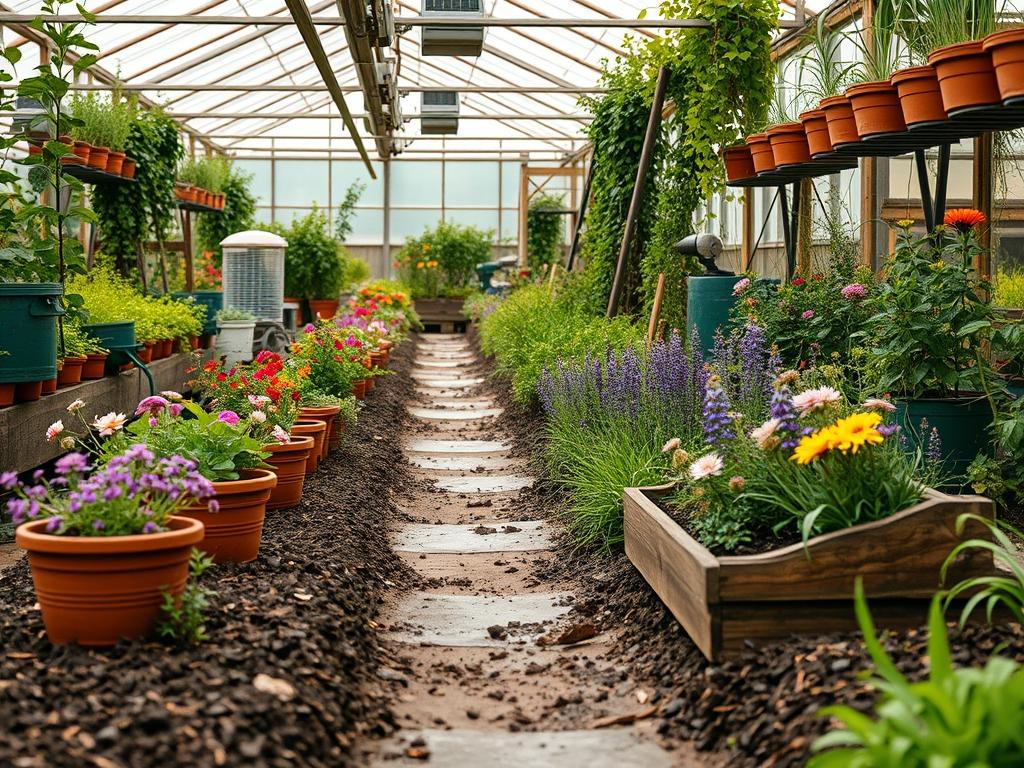
Modern landscape design increasingly recognizes that an aesthetically pleasing garden must also operate as a functioning biological system. While a perfectly manicured lawn offers immediate curb appeal, it often lacks the resilience required to withstand localized insect infestations without heavy chemical intervention. Incorporating wildflower mixes for pests into high end residential and commercial designs allows architects to create a natural defense layer. This approach, known as conservation biological control, targets specific ecological niches by providing habitat for predatory insects. By diversifying the flora, we move away from monocultures that are susceptible to collapse; instead, we build an outdoor environment that protects its own structural integrity.
Integrating these specialized mixes requires a deep understanding of site specific variables including climate, drainage, and elevation. A designer must consider how a wildflower meadow or border will function alongside formal hardscaping features like retaining walls and walkways. When properly executed, these floral zones do more than just attract bees. They serve as a sanctuary for ladybugs, lacewings, and parasitic wasps that naturally regulate populations of aphids, mites, and scales. This reduces the need for synthetic pesticides, which can damage the long term health of the soil and local groundwater. A professional landscape consultant views these mixes as living infrastructure, providing tanto visual interest and environmental stability.
Landscape Design Principles
Effective landscaping requires a balance between aesthetic symmetry and functional focal points. When deploying wildflower mixes for pests, the architect should use these plantings to enhance the visual weight of the property. For example, a tall, vibrant wildflower border can serve as a soft backdrop to low profile hardscaping elements. This creates a sense of elevation layers, drawing the eye upward and providing a transition from the structured lines of a patio to the more organic forms of the surrounding horizon. Symmetry can be maintained by flanking entryways with consistent floral groupings, while visual balance is achieved by distributing different colors and textures across the site to avoid any single area feeling too heavy or sparse.
Strategic irrigation planning is essential when merging native wildflower zones with formal turf or ornamental beds. While many wildflowers are drought tolerant once established, they require specific hydration levels during the germination phase to ensure a dense canopy. The goal is to create a seamless flow through the garden where walkways guide the viewer toward these vibrant hubs without disrupting the habitat. By placing wildflowers near critical garden assets, such as specimen Japanese Maples or prized Rose bushes, you create a localized “militia” of beneficial insects that protect your most valuable plant investments from opportunistic pests.
Plant and Material Selection
The success of a wildflower based pest control strategy depends heavily on selecting species that provide both nectar and shelter. The following table outlines primary selections that thrive in diverse North American climates.
| Plant Type | Sun Exposure | Soil Needs | Water Demand | Growth Speed | Maintenance Level |
| :— | :— | :— | :— | :— | :— |
| Yarrow | Full Sun | Poor to Average | Low | Fast | Minimal |
| Purple Coneflower | Full Sun/Part Shade | Well Drained | Medium | Moderate | Seasonal |
| Sweet Alyssum | Full Sun/Part Shade | Loamy | High | Fast | Low |
| Mexican Hat | Full Sun | Sandy/Clay | Very Low | Fast | Minimal |
| Dill | Full Sun | Rich Organic | Medium | Fast | Moderate |
| Bee Balm | Full Sun/Part Shade | Moist/Rich | High | Moderate | High |
| Goldenrod | Full Sun | Any | Low | Fast | Minimal |
Implementation Strategy
Planning the layout of a wildflower zone begins with professional site preparation. First, the architect must evaluate the grading of the land. A 1% to 2% slope is ideal for ensuring that water moves away from building foundations while still providing enough moisture for the seeds to take hold. If the area is prone to erosion, installing a silt fence or using jute netting can stabilize the soil during the early growth stages. The soil should be cleared of existing invasive grasses and weeds using a scuffle hoe or through solarization to prevent competition.
Once the site is cleared, a steel rake is used to scarify the top 0.5 inches of soil. The wildflower mixes for pests should be blended with coarse sand at a ratio of 5:1 to ensure even distribution across the site. After broadcasting the seeds, it is vital to press them into the soil using a water filled sod roller or by firm tamping; birds will quickly deplete the seed bank if it is left on the surface. To define the area and keep the landscape looking intentional rather than neglected, install steel edging or natural stone borders. This creates a crisp transition between the “wild” pest control zone and the manicured lawn. Finally, apply a very thin layer of fine mulch or straw to retain moisture, ensuring the depth does not exceed 0.25 inches, as wildflower seeds require light to germinate.
Common Landscaping Failures
One of the most frequent mistakes in establishing these systems is poor drainage planning. If the soil remains saturated, the roots of many native wildflowers will succumb to fungal rot, and the habitat will instead attract gnats and mosquitoes. Soil compaction is another significant hurdle. In new construction, heavy machinery frequently packs the earth so tightly that roots cannot penetrate. Using a broadfork to aerate the area without flipping the soil profile can alleviate this issue without bringing dormant weed seeds to the surface.
Improper spacing and root overcrowding are also common. When seeds are sown too thickly, the plants compete for nutrients and water, resulting in stunted growth and a lack of blooms. This lack of floral density fails to attract the beneficial insects needed for pest control. Additionally, many homeowners ignore the necessity of irrigation during the first six weeks. Even drought tolerant species require consistent moisture to establish a deep root system. Without a dedicated drip irrigation line or a consistent manual watering schedule, the delicate seedlings will wither before they can provide any ecological benefit to the property.
Seasonal Maintenance
Landscape management is a year-round commitment that changes with the cycles of the garden. In the spring, the focus is on thinning and weeding. As new growth emerges, remove any invasive species that may have drifted into the wildflower patch. This is also the time to apply a light dressing of compost to provide a slow release of nutrients. Ensure that the irrigation system is pressure tested and that no emitters are clogged by winter debris.
During the summer, the primary task is monitoring for health and hydration. Deadheading certain species like Coreopsis can encourage a second flush of blooms, which extends the period that beneficial insects are present in the garden. By autumn, it is important to resist the urge to clear everything away. Leave the dried stalks and seed heads through the winter; these provide essential nesting sites for overwintering bees and ladybugs. In the winter, the focus shifts to structural maintenance. Inspect retaining walls for frost heave and sharpen your pruning shears for the late winter cutback. Mowing the entire wildflower area to a height of 4 to 6 inches in late February prepares the site for fresh growth when the soil warms.
Professional Landscaping FAQ
How long does it take for wildflower mixes to start controlling pests?
Most mixes require a full growing season to establish. You will notice an increase in beneficial insects during the first summer, but the full ecological balance usually peaks in the second or third year as root systems mature.
Can I plant these mixes over existing grass?
No, wildflowers generally cannot compete with established turf. You must remove the grass and top layer of thatch using a sod cutter to ensure the seeds have direct contact with the soil for proper germination.
Do wildflower mixes require fertilization?
Most native wildflowers thrive in low fertility soils. Over-fertilizing with high nitrogen products will encourage lush green foliage and invasive weeds at the expense of the flowers, which reduces the mix’s effectiveness in attracting predatory insects.
Will these flowers attract bees near my outdoor living area?
Wildflowers do attract pollinators, but most native bees are non-aggressive if left undisturbed. If you are concerned, place the wildflower beds at the perimeter of the property or at least 10 feet away from high traffic seating areas.
How do I prevent the wildflower patch from looking messy?
Use clear hardscaping boundaries like pavers or timber edging. Maintaining a mowed “buffer strip” of turf around the wildflowers signals that the area is a planned, intentional part of the landscape rather than an unmanaged weed patch.