
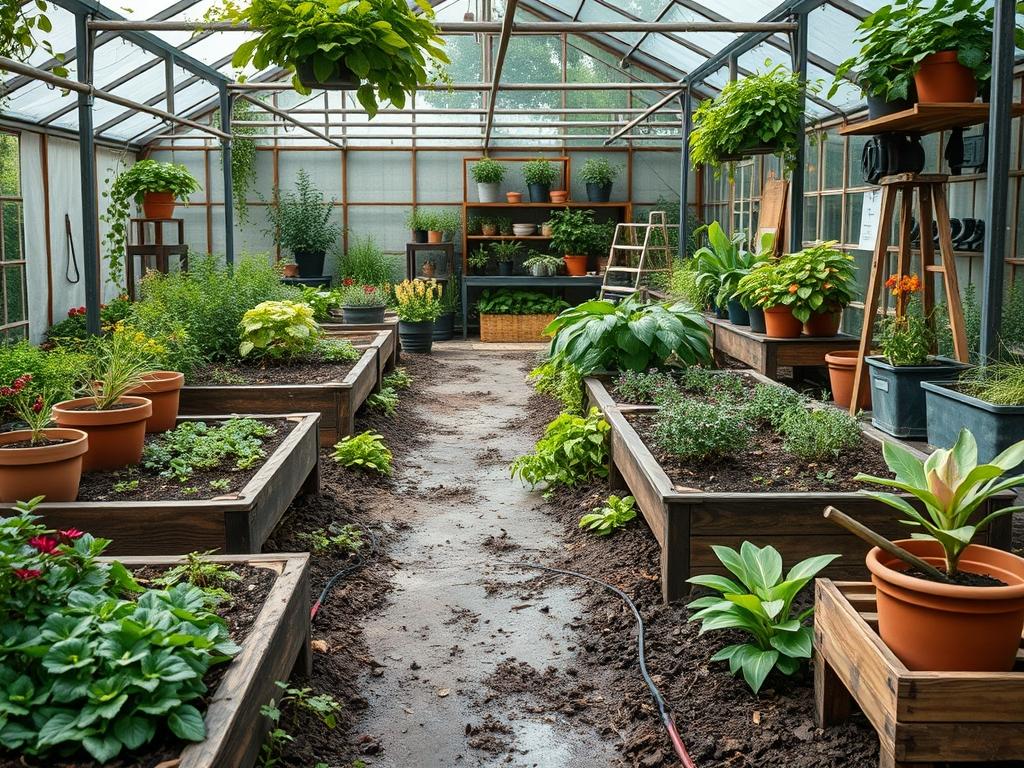
Designing a sustainable landscape in regions with high deer pressure requires a sophisticated blend of horticultural science and architectural foresight. The primary challenge is not merely excluding wildlife, but creating a resilient ecosystem that remains aesthetically pleasing despite environmental stressors. Modern residential design must balance the desire for high curb appeal with the functional reality of local fauna, soil composition, and microclimatic shifts. For many homeowners, the goal is often an extension of the interior living space; an outdoor room that offers tranquility without the constant threat of defoliation. Achieving this requires a transition away from traditional, palatable ornamentals toward a palette of textures and scents that offer natural resistance. By focusing on site-specific conditions and structural integrity, a landscape architect can transform a vulnerable yard into a fortress of botanical diversity that thrives across all seasons.
Landscape Design Principles
Modern deer-resistant design begins with structural symmetry and the intentional use of elevation. Focal points should be established using non-palatable specimens or inanimate hardscape elements such as natural stone boulders, sculptural water features, or custom fire pits. These elements provide visual weight that does not rely on seasonal foliage, ensuring the garden maintains its “bones” even in the dead of winter. By implementing elevation layers, you create a sense of depth and complexity. This is often achieved through the construction of retaining walls or raised masonry planters. These structures serve a dual purpose; they elevate the root zone for better drainage and create a physical height disadvantage for foraging deer.
Visual balance is maintained through the repetition of form and the strategic placement of walkways. Using flagstone or pavers to define transit routes creates a framework that guides the eye through the property. Every design must account for irrigation planning at the conceptual stage. Hydro-zoning, the practice of grouping plants with similar water requirements, is essential for long-term health. By placing high-water-demand plants near the foundation and drought-tolerant species at the perimeter, you optimize resource use. Professional designers also utilize “defensive layering,” where the most deer-resistant plants are placed at the outer edges of the property, creating a scent or texture barrier that discourages entry into more sensitive interior zones.
Plant and Material Selection
The following selection focuses on species with chemical defenses, such as bitter alkaloids or strong essential oils, which deer typically avoid.
| Plant Type | Sun Exposure | Soil Needs | Water Demand | Growth Speed | Maintenance Level |
| :— | :— | :— | :— | :— | :— |
| Boxwood (Buxus) | Full Sun to Shade | Well-Drained | Moderate | Slow | Low |
| Lavender (Lavandula) | Full Sun | Sandy, Lean | Low | Moderate | Moderate |
| Nepeta (Catmint) | Full Sun | Average | Low | Fast | Low |
| Japanese Pieris | Part Shade | Acidic | Moderate | Slow | Moderate |
| Russian Sage | Full Sun | Well-Drained | Low | Fast | Low |
| Switchgrass | Full Sun | Any | Low to Moderate | Moderate | Low |
| Hellebores | Shade | Humus-Rich | Moderate | Slow | Low |
Implementation Strategy
The successful execution of a deer-resistant landscape depends on meticulous site preparation and a logical sequence of construction. The process begins with grading. The site must be shaped to ensure a minimum 2 percent slope away from the home’s foundation to prevent hydrostatic pressure and basement moisture issues. Once the rough grade is established, the installation of hardscaping elements like patios, retaining walls, and outdoor kitchens takes precedence. These permanent structures define the “non-living” footprint of the yard.
After the hardscape is set, the drainage system is installed. This often includes 4-inch perforated PVC pipes buried in trenching filled with cleared gravel, known as French drains, which direct excess runoff toward a bioswale or municipal catch basin. Only after the infrastructure is in place do we address the soil. Soil compaction is a common byproduct of heavy machinery used during construction; therefore, the planting beds must be tilled and amended with organic compost to restore porosity.
When positioning plants, follow the “right plant, right place” maxim. Each specimen should be planted such that the root flare is slightly above the finished grade to prevent trunk rot. Once the plants are in the ground, apply a 3-inch layer of triple-ground hardwood mulch. This depth is critical for moisture retention and weed suppression, but it must be kept a few inches away from the base of the stems to avoid fungal infections. Lastly, the installation of a smart irrigation system with drip emitters ensures that water is delivered directly to the root zone, reducing waste and minimizing the leaf moisture that can attract certain pests.
Common Landscaping Failures
One of the most frequent errors in professional landscaping is the neglect of sub-surface drainage. When water accumulates in the root zone, it displaces oxygen, leading to root rot and the eventual death of even the most deer-hardy species. Another critical failure is root overcrowding. Homeowners often demand an “instant” garden, leading contractors to plant specimens too close together. Over three to five years, these plants compete for nutrients and light, resulting in stunted growth and a loss of the intended aesthetic.
Proper spacing must be calculated based on the mature width of the plant, not its size at the nursery. Furthermore, soil compaction from foot traffic or improper grading can suffocate roots. Without pore space in the soil, air and water cannot reach the rhizosphere. Irrigation inefficiencies also plague many modern landscapes. Over-reliance on spray heads can lead to uneven water distribution and fungal diseases like powdery mildew. A shift toward pressure-compensating drip tubing is often the solution, providing precise hydration that supports plant health without encouraging the lush, succulent new growth that deer find particularly appetizing.
Seasonal Maintenance
Landscape management is a year-round commitment that changes with the solar cycle. In Spring, the focus is on “awakening” the garden. This involves a thorough cleanup of winter debris, followed by the application of a pre-emergent herbicide to prevent weed seeds from germinating. Pruning should be performed on summer-blooming shrubs to encourage vigorous new growth. This is also the time to inspect the irrigation system for leaks or clogged nozzles caused by winter freezes.
During the Summer, the priority shifts to moisture management. Deep, infrequent watering is superior to shallow daily mists, as it encourages roots to grow deeper into the soil profile. Monitoring for pests like spider mites or aphids is vital during heat waves. In Autumn, the emphasis turns to “putting the garden to bed.” This is the ideal time for planting new trees and shrubs, as the cooler air and warm soil promote root establishment without the stress of high transpiration. It is also the season for core aeration of turf areas to combat the compaction accumulated over the summer months.
In Winter, maintenance involves protecting sensitive species from heavy snow loads and desiccation. For deer-resistant landscapes, this is the time to apply burlap wraps or liquid deterrents if pressure is extreme, as deer become less picky when food sources are scarce. Pruning of deciduous trees should occur in late winter while they are dormant to ensure quick healing in the spring.
Professional Landscaping FAQ
Which mulch is best for preventing deer travel?
Large-diameter crushed stone or coarse wood chips can be uncomfortable for deer to walk on. While not a foolproof deterrent, these textures often discourage deer from lingering in specific planting beds, especially when combined with fragrant, resistant plant species.
Can I use lighting to deter deer movements?
While motion-activated floodlights may startle deer initially, they often become habituated to the light over time. Professional lighting should focus on low-voltage LED path lights for safety and tree uplighting for aesthetics rather than relying on it as a primary deterrent.
How does elevation affect deer feeding habits?
Deer prefer to graze at eye level or below. By using retaining walls to raise planting beds by 18 to 24 inches, you move the foliage out of their natural line of sight and make the physical act of reaching the plants more taxing.
What is the role of native plants in deer resistance?
Many native plants have evolved alongside local deer populations, developing natural defenses like thorns, thick sap, or leathery leaves. Incorporating natives also supports local pollinators while reducing the need for intensive chemical fertilizers and supplemental irrigation.
Does “deer-resistant” mean the plants will never be eaten?
No. In extreme conditions or during droughts, deer may consume almost any vegetation. The term “deer-resistant” refers to plants that are significantly less palatable and are usually the last choice for foragers when other food sources are available.