
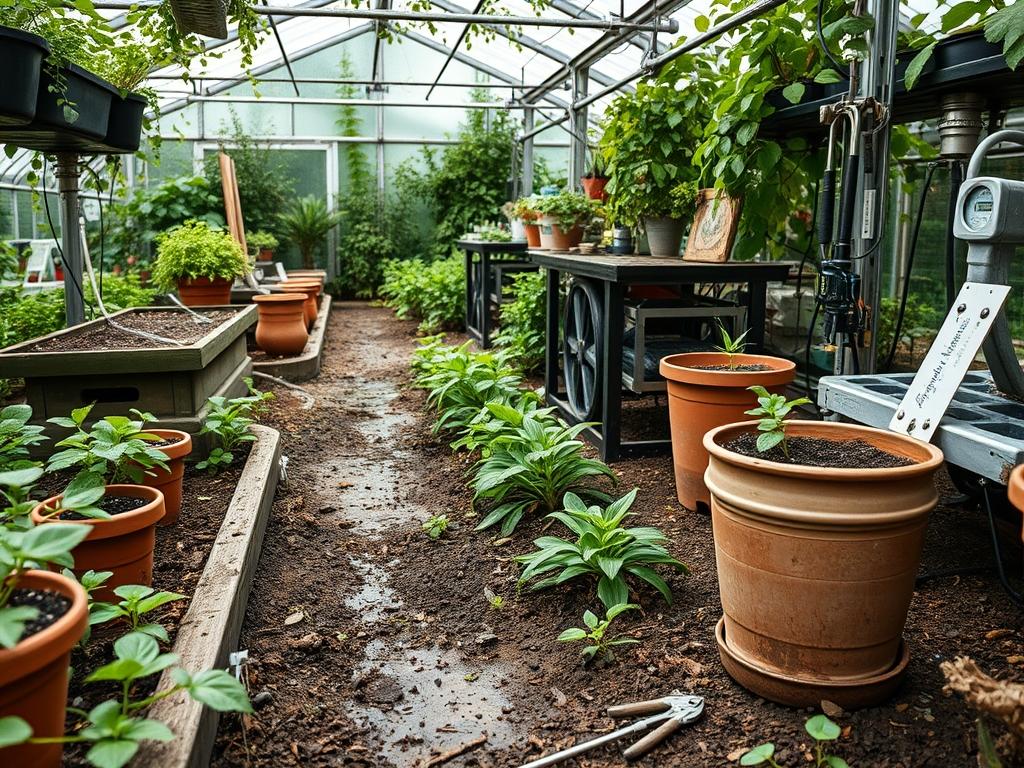
Every landscape architect understands the heartbreak of a well planned spring display being dismantled by local wildlife during the dormant season. When we design outdoor environments, we prioritize the longevity of our biological assets as much as the structural integrity of our hardscaping. Squirrels are opportunistic foragers that view freshly disturbed soil as an invitation to a buffet. Protecting flower bulbs requires more than just hope; it demands a strategic integration of physical barriers and repellent tactics that do not compromise the visual integrity of the garden. By implementing specific squirrel-proof planter tips, we can ensure that the investment made in high quality dormant stock translates into a vibrant, undisturbed spring bloom. This approach balances seasonal aesthetics with the practical realities of urban and suburban wildlife management, ensuring the curb appeal remains intact from the moment of planting until the final petal falls.
Practical garden planning involves more than just selecting colors and bloom times. It requires an understanding of the site-specific conditions, including the density of the local squirrel population and the availability of alternative food sources. In high-pressure environments, the landscape serves as a functional ecosystem where human goals and animal instincts often clash. Professional designers focus on creating layers of defense that are invisible to the casual observer but impenetrable to pests. This includes the use of hardware cloth, gritty top dressings, and specific plant selections that are naturally unpalatable to rodents. By treating the planter as a micro-environment, we can control the soil composition, drainage, and security levels far more effectively than in expansive ground-level beds.
Landscape Design Principles
Effective landscaping relies on several core principles that ensure a space is both beautiful and functional. Symmetry and visual balance are perhaps the most critical when using planters. For instance, flanking a formal entryway with identical terracotta pots creates a sense of arrival and order. Within those pots, we use elevation layers to create interest. This is often referred to as the thriller, filler, and spiller method. The spring bulbs, such as alliums, act as the thriller, providing height and architectural interest. Using squirrel-proof planter tips ensures these focal points are not lost to mid-winter digging.
Focal points are essential for directing the eye and creating a sense of purpose in the backyard. A large, well-placed planter can serve as a destination at the end of a flagstone walkway. To maintain this visual impact, the planter must remain undisturbed. Integrating irrigation planning into the design process is also vital. In a container environment, consistent moisture is necessary, but over-saturation can lead to bulb rot. We often design drainage systems using a layer of crushed stone or river rock at the base of the pot to ensure water moves freely away from the root zone.
Visual balance also concerns the relationship between the planter and its surrounding hardscaping. A massive concrete urn might overwhelm a narrow path, while a small plastic pot looks out of place next to a grand retaining wall. Designers must scale the vessel to the environment. Furthermore, the use of mulch within the planter serves a dual purpose. It provides a finished look that coordinates with the larger landscape while also disguising the scent of the freshly planted bulbs. When we discuss squirrel-proof planter tips, we must emphasize that the aesthetic finish is just as important as the security measures beneath the surface.
Plant and Material Selection
Choosing the right materials and plant species is the foundation of any successful landscape project. Not all bulbs are equally attractive to squirrels. While tulips and crocus are frequently targeted, other species like narcissus are naturally toxic and avoided by pests. The following table provides a breakdown of common landscape plants used in bulb-focused planters.
| Plant Type | Sun Exposure | Soil Needs | Water Demand | Growth Speed | Maintenance Level |
| :— | :— | :— | :— | :— | :— |
| Tulipa sylvestris | Full Sun | Sandy Loam | Moderate | Moderate | Moderate |
| Narcissus | Partial Sun | Compost-Rich | Moderate | Fast | Low |
| Allium giganteum | Full Sun | Well-Drained | Low | Slow | Low |
| Crocus vernus | Full/Partial | Gritty | Moderate | Fast | Low |
| Hyacinthus | Full Sun | Moist/Rich | Moderate | Moderate | High |
| Fritillaria | Partial Shade | Humus-Rich | High | Slow | Medium |
In addition to plant selection, the materials used for protection are paramount. Stainless steel mesh or hardware cloth with a 1/2 inch grid is the industry standard for physical barriers. These materials are durable and will not rust in the moist environment of a planter. For soil amendments, incorporating expanded shale or crushed oyster shells can provide a gritty texture that squirrels find unpleasant to dig through. These materials also improve the drainage profile of the potting mix, which is essential for the health of the bulb.
Implementation Strategy
The process of implementing squirrel-proof planter tips begins with proper site preparation. First, ensure the planter has adequate drainage holes. Place a layer of landscape fabric or wire mesh over the holes to prevent soil loss. Add a 3 inch layer of gravel or broken pottery to the bottom of the container. This promotes drainage and adds weight to the planter, preventing it from tipping in high winds. Fill the container with a high quality, peat-based potting soil mixed with perlite for aeration.
When planting the bulbs, follow the general rule of planting them at a depth three times their height. For large tulip bulbs, this is usually about 6 inches deep. Once the bulbs are positioned, add soil until it reaches 2 inches below the rim of the pot. Here is where the professional squirrel-proofing occurs. Cut a piece of hardware cloth to fit the interior diameter of the planter. Lay this mesh directly on top of the soil. The mesh allows the stems to grow through the openings in the spring but prevents squirrels from reaching the bulbs below.
Secure the mesh with U-shaped landscape staples or by tucking the edges firmly against the planter walls. Cover the mesh with a final layer of soil or a decorative top dressing. Using black polished pebbles or lava rock creates a sophisticated finish while providing a secondary physical deterrent. For added security, some architects recommend applying a liquid repellent containing capsaicin or putrefied egg solids to the rim of the planter. This multi-layered defense ensures the integrity of the landscape design remains uncompromised.
Common Landscaping Failures
One of the most frequent mistakes in planter management is poor drainage. If water cannot escape the bottom of the container, the soil becomes waterlogged, causing the bulbs to rot and the root system to fail. This is often exacerbated by soil compaction. Over time, heavy rains and gravity compress the potting media, squeezing out the air pockets necessary for plant respiration. To avoid this, designers should use structural soils or include high percentages of pumice and coarse sand in their mixes.
Another common failure involves improper spacing. In an attempt to create a lush, full look, many gardeners overcrowd bulbs. This leads to competition for nutrients and poor air circulation, which can invite fungal diseases like botrytis. Maintaining a distance of at least 2 inches between bulbs allows for healthy development. Additionally, using the wrong type of mesh can lead to failure. Light plastic netting is easily chewed through by determined rodents; only metal barriers provide a truly squirrel-proof solution.
Irrigation inefficiencies also plague many projects. Automated spray systems often miss the interior of deep planters or, conversely, keep them too wet. Hand watering or dedicated drip irrigation lines with individual emitters are preferred for containerized landscaping. Finally, neglecting the grading around the planter can lead to issues. If a planter is placed in a low spot on a patio, water may pool around the base, damaging the material of the pot and creating a slip hazard on the concrete or stone surface.
Seasonal Maintenance
Landscape management is a year-round commitment. In the spring, once the bulbs begin to emerge through the hardware cloth, check for any obstructions. Some larger bulbs may need the mesh slightly widened to allow the foliage to pass through without damage. This is also the time to apply a balanced 5-10-5 fertilizer to provide the nutrients needed for the upcoming bloom. As the flowers fade, resist the urge to cut back the green foliage immediately. The leaves are busy photosynthesizing and storing energy back into the bulb for next year.
During the summer months, the bulbs will go dormant. This is the period when planters often look empty. Many designers recommend interplanting with shallow-rooted annuals like petunias or verbena. These plants cover the surface without interfering with the buried bulbs. In the autumn, refresh the top layer of mulch or decorative stone. If you live in a climate with freeze-thaw cycles, consider wrapping expensive ceramic pots in burlap or moving them to a more sheltered location to prevent the clay from cracking.
Winter maintenance is largely about monitoring. Even in the cold, squirrels may attempt to dig in containers during a thaw. Re-apply scent-based repellents every few weeks, especially after heavy snowfall or rain. Check the moisture level of the soil; while dormant bulbs do not need much water, they should not be allowed to dry out completely. A light watering once a month during dry winters is usually sufficient. By following these squirrel-proof planter tips and maintenance schedules, you ensure a professional grade display that enhances the beauty of your outdoor living space year after year.
Professional Landscaping FAQ
How deep should I place the hardware cloth in my planter?
Place the hardware cloth approximately 2 inches below the soil surface. This depth allows for a decorative top dressing of mulch or pebbles while keeping the metal barrier close enough to the surface to prevent squirrels from starting a burrow.
Can squirrels chew through plastic mesh or chicken wire?
Squirrels easily chew through plastic, and they can often squeeze through the larger holes in standard chicken wire. For maximum protection, professionals recommend 1/2 inch galvanized steel hardware cloth, which is too tough and narrow for rodents to bypass.
Which bulb species are naturally resistant to squirrels and deer?
Narcissus, alliums, and fritillaria are excellent choices. These species contain alkaloids or sulfur compounds that make them taste bitter or smell unpleasant to wildlife, providing a biological layer of protection alongside your physical barriers and squirrel-proof planter tips.
What is the best way to hide the mesh in a decorative planter?
After securing the wire mesh, cover it with 2 inches of dark hardwood mulch, pine bark nuggets, or river stones. This hides the utility of the barrier, maintains moisture, and adds a professional finish to your landscape design.
Do I need to remove the mesh when the bulbs start growing?
No, you do not need to remove it. As long as you use 1/2 inch or larger mesh, the primary shoots will grow through the openings. If the growth looks constricted, you can use wire cutters to carefully enlarge specific holes for the foliage.