
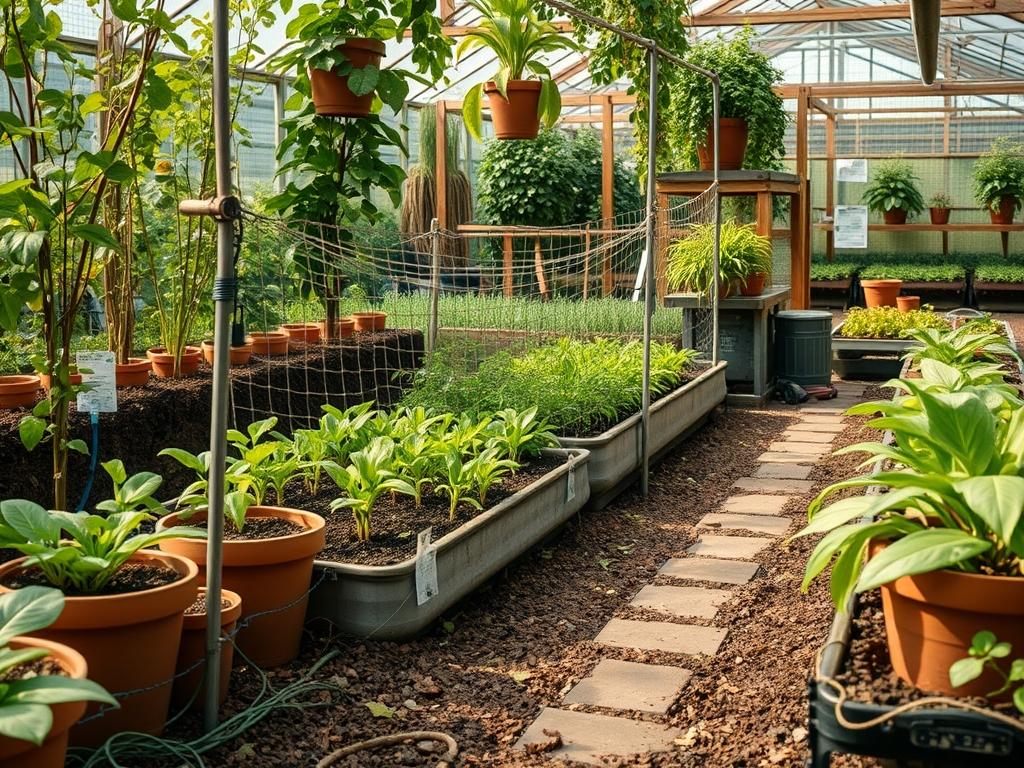
Maintaining the visual integrity of a professional landscape while protecting delicate flora from avian interference requires a delicate balance of engineering and horticulture. Many property owners view bird netting as a purely utilitarian addition that detracts from curb appeal; however, when integrated early into a comprehensive landscape plan, these structures can become nearly invisible or even serve as architectural features. Achieving this requires a rigorous understanding of site-specific factors such as wind load, seasonal sun angles, and the growth habits of the species being protected. A successful bird netting installation serves more than just a defensive purpose. It preserves the hard-earned harvest of an orchard or the aesthetic perfection of a koi pond while ensuring that the broader garden layout remains cohesive and functional.
Climate considerations play a pivotal role in the selection of materials and the method of tensioning used during the installation process. In regions prone to heavy snowfall, a permanent overhead net can lead to structural failure if the mesh is too fine to allow snow to pass through. Conversely, in coastal environments, high salt spray necessitates the use of corrosion resistant hardware such as 316-grade stainless steel cables and UV-stabilized high-density polyethylene (HDPE) netting. By treating the installation as a structural component of the outdoor environment, a landscape architect ensures that the system enhances rather than diminishes the property’s value. The goal is a seamless transition between the controlled environment of the protected zone and the organic flow of the surrounding landscape.
Landscape Design Principles
Effective bird netting installation begins with the core principles of landscape architecture; specifically symmetry, focal points, and elevation layers. When planning a protective enclosure, the structure must align with the existing geometry of the garden. If a walkway is flanked by high-value fruit trees, the netting supports should mirror the spacing of the path lights or the rhythmic placement of individual specimens. This creates a sense of intentionality. Instead of a haphazard draped mesh, the use of 1-inch powder-coated aluminum tubing can create a clean, minimalist frame that follows the clean lines of modern landscape design.
Elevation plays a critical role in how the netting is perceived from various vantage points. By utilizing multiple layers of heights, the architect can prevent the “boxy” look often associated with garden cages. Lower shrubs might be protected by low-profile micro-mesh tunnels, while larger focal points like a Bing Cherry tree are housed within taller, vaulted structures. This variation in height mimics the natural canopy of a forest, making the artificial intervention less jarring to the eye. Furthermore, irrigation planning must be integrated into these structures. Running poly-drip lines through the base of the netting supports ensures that the protected plants receive consistent hydration without the need to frequent move or lift the mesh, which can lead to tearing and structural degradation over time.
Plant and Material Selection
| Plant Type | Sun Exposure | Soil Needs | Water Demand | Growth Speed | Maintenance Level |
| :— | :— | :— | :— | :— | :— |
| Blueberries | Full Sun | Acidic (pH 4.5-5.5) | High | Moderate | Medium |
| Sweet Cherry | Full Sun | Well-drained Loam | Moderate | Fast | High |
| Wine Grapes | Full Sun | Sandy/Rocky | Low to Moderate | Fast | High |
| Strawberries | Full Sun | Nutrient Rich | Consistent | Fast | Medium |
| Sunflowers | Full Sun | Adaptable | Moderate | Very Fast | Low |
| Raspberries | Partial/Full Sun | Organic Rich | Moderate | Fast | Medium |
Implementation Strategy
The process begins with precise site grading to ensure that the vertical supports for the netting remain plumb. Small deviations in the grade can lead to uneven tension in the mesh, causing it to sag and creating entry points for birds. Use a spirit level and marking twine to establish a grid that accounts for the final mature width of the plants. If the site has a significant slope, consider installing small retaining walls or timber edging to create level terraces; this simplifies the installation of the netting frame and prevents soil erosion around the base of the anchors.
Once the perimeter is established, install the primary support posts. For a professional finish, these should be sunk at least 24 inches into the ground and secured with a dry-mix concrete or compacted gravel. Before the netting is applied, the ground should be prepared with a 2-inch layer of organic mulch or decorative river rock to suppress weeds that might grow into the mesh. When stretching the 3/4-inch bird netting, start from the center and work outward toward the corners. Use UV-rated zip ties or specialized netting clips to secure the material to the frame. It is vital to maintain a tension that is taut enough to prevent tangling but flexible enough to withstand wind gusts. The bottom edge of the netting must be secured to the ground using 8-inch U-shaped landscape pins spaced every 12 inches to prevent birds from hopping underneath the barrier.
Common Landscaping Failures
One of the most frequent errors in bird netting installation is neglecting the impact of root overcrowding and soil compaction. When heavy frames are installed too close to the root zone of a Santa Rosa Plum or similar fruit tree, the soil becomes compacted, restricting the flow of oxygen and water to the roots. Always allow at least a 3-foot radius from the trunk of the tree to the nearest structural post. Additionally, improper drainage within the netted area can lead to fungal outbreaks. Because netting can slightly reduce airflow and increase humidity around the foliage, ensuring that the soil has a high percolation rate is essential.
Another common failure involves the use of improper mesh sizes. If the mesh is too large, small songbirds can become trapped and injured; if it is too small, it may inadvertently exclude beneficial pollinators like bees. A 19mm or 3/4-inch mesh is generally considered the industry standard for general bird protection. Furthermore, failing to account for plant growth can lead to the netting becoming embedded in the branches. This not only damages the plant but makes removal almost impossible without cutting the mesh. Always design the structure to be at least 18 inches taller and wider than the expected mature size of the specimen.
Seasonal Maintenance
Landscape management is a year-round commitment that changes with the light and temperature. In the Spring, the focus is on inspection and tension adjustment. After the winter thaw, ground anchors may have heaved, and the netting may have slackened. Re-tension the system before the first buds appear. This is also the time to check for any gaps where winter debris may have torn the fabric. Ensure that the irrigation emitters are clear and that the water is reaching the root balls of the protected plants, as the netting structure can sometimes deflect overhead watering.
During the Summer, the primary task is monitoring the interaction between the plant growth and the mesh. Prune any stray branches that make contact with the netting. In the Autumn, once the harvest is complete, many landscape architects recommend removing the netting if the structure is not permanent. This prevents damage from heavy fall winds and allows birds to forage for pests in the soil, which provides a natural form of pest control. Clean the netting with a mild soap solution and store it in a dry, dark place to prevent UV degradation. In Winter, if a permanent structure is in place, clear any ice accumulation promptly with a soft broom to prevent the weight from collapsing the aluminum or steel frame.
Professional Landscaping FAQ
What is the best material for long-term bird netting?
HDPE (High-Density Polyethylene) is the industry standard due to its UV resistance and durability. It does not rot or absorb water, making it ideal for multi-season use in varied climates when paired with stainless steel hardware.
How do I prevent birds from getting trapped?
Ensure the netting is kept under constant tension. Sagging nets are dangerous because birds cannot see the loose folds. SECURE the bottom edge firmly to the ground with heavy-duty landscape staples to eliminate any entry gaps.
Can bird netting affect plant pollination?
Yes. If you use a mesh smaller than 15mm, you may exclude essential pollinators. For fruit-bearing plants, install the netting after the pollination phase is complete or use a 19mm mesh that allows bees to pass through easily.
How do I integrate netting without ruining the view?
Use black knotted netting and dark-colored support posts. Black mesh is much harder for the human eye to detect against a natural landscape background than green or white mesh, making it the preferred choice for high-end residential projects.
What is the average lifespan of professional netting?
High-quality, UV-treated netting typically lasts between 5 and 10 years depending on the intensity of local sun exposure. Regular cleaning and proper storage during the off-season can significantly extend the functional life of the material and the support structure.