
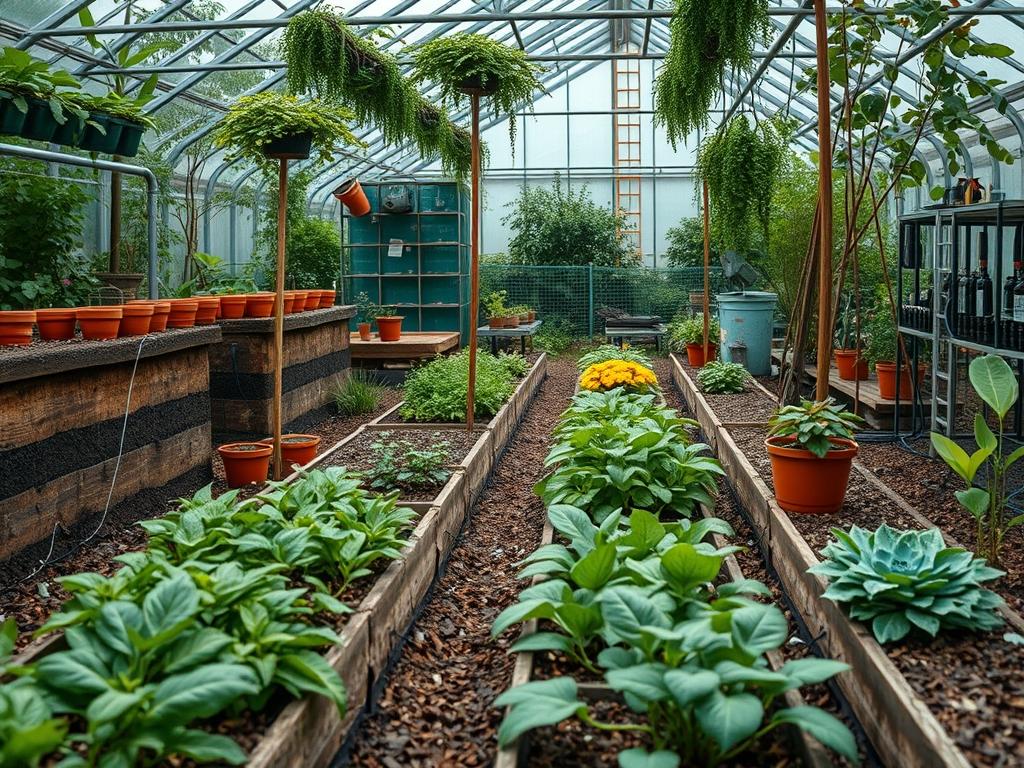
Maintaining a sprawling garden requires a delicate balance between aesthetic elegance and practical defense. For large estates, the primary obstacle to a thriving landscape is often local wildlife, which can decimate years of growth in a single night. Integrating Electric Fence Pest Control into a high end design is not merely about stringing wire; it is about creating a secure perimeter that preserves the integrity of your outdoor living space. A successful installation considers the topography of the land, the behavior of specific pests, and the visual flow of the garden. When executed correctly, these systems provide a virtually invisible shield that allows native plants and delicate ornamentals to reach maturity without the constant pressure of browsing.
The challenge for any consultant is to ensure that functional elements do not detract from the curb appeal. In large scale projects, climate considerations play a massive role in how we choose hardware and layout. High humidity may require stainless steel components to prevent corrosion, while arid environments necessitate more robust grounding systems to ensure the current remains effective. By viewing the fence as a component of the broader architectural plan rather than an afterthought, we can maintain the functionality of the garden while protecting the financial investment made in the flora.
Landscape Design Principles
Effective garden planning relies on the mastery of symmetry and the strategic placement of focal points. When incorporating Electric Fence Pest Control, these principles help to mask the utility of the hardware. We often use elevation layers to our advantage. By placing the fence line behind a low retaining wall or within a slight depression in the grade, the wires become nearly invisible from the main house. This allows for an unobstructed view of the horizon while maintaining a hard boundary against intruders.
Symmetry can be maintained by mirroring the fence line with parallel rows of boxwood or other low maintenance hedges on the interior side. This creates a visual buffer that keeps the focus on the garden’s interior. We must also plan for irrigation early in the design phase. Water lines should be buried at least 12 inches deep and positioned far enough from the fence grounding rods to prevent electrolysis, which can degrade metal pipes over time.
Walkways should be designed with clear transition points. At every entry or exit, high quality insulated gate handles ensure that the circuit is maintained without creating a hazard for the homeowner. Visual balance is achieved by using dark green or black polywire, which tends to disappear against a backdrop of foliage more effectively than bright silver galvanized steel. By aligning the fence with natural transition zones between the manicured lawn and the wilder edges of the property, we create a sense of intentionality in the layout.
Plant and Material Selection
The following table outlines plants that are commonly used in large garden designs where pest exclusion is a priority. These selections have been chosen for their ability to thrive in proximity to perimeter boundaries or for their specific aesthetic contributions to a protected landscape.
| Plant Type | Sun Exposure | Soil Needs | Water Demand | Growth Speed | Maintenance Level |
| :— | :— | :— | :— | :— | :— |
| English Lavender | Full Sun | Well-Drained | Low | Moderate | Low |
| Japanese Maple | Partial Shade | Loamy/Acidic | Moderate | Slow | Medium |
| Switchgrass | Full Sun | Varied | Low | Fast | Low |
| Hydrangea | Partial Sun | Rich/Moist | High | Fast | Medium |
| Creeping Phlox | Full Sun | Gritty | Moderate | Moderate | Low |
| Yew Hedge | Sun to Shade | Well-Drained | Moderate | Slow | High |
Implementation Strategy
Planning the layout of a large garden requires a systematic approach to grading and soil preparation. Before any posts are driven into the ground, the perimeter should be cleared of debris and leveled. Use a laser level to identify high spots that might cause the bottom wire to touch the soil, as this will lead to a short circuit. Once the grade is established, an edging tool can be used to define a clear path for the fence line, which should be kept clear of all vegetation.
For the hardscaping phase, consider a base of pea gravel or crushed granite directly beneath the wires. This serves two purposes; it provides excellent drainage to keep the posts stable and prevents weeds from growing up into the energized lines. If the garden features significant slopes, retaining walls should be used to create level terraces for the fence. This ensures that the distance between the wires remains consistent, which is crucial for deterring pests like rabbits that can squeeze through small gaps.
When it brings the system online, the energizer should be housed in a weather resistant enclosure near a reliable power source. For remote areas of the property, high quality solar chargers are a viable alternative. Every installation must include a lightning diverter to protect the electronics during storms. Mulch should be applied at a depth of 3 inches around the interior garden beds, but it must be kept away from the grounded components of the fence to prevent moisture buildup and rot.
Common Landscaping Failures
One of the most frequent mistakes in large gardens is poor drainage planning. If water pools around the fence posts during the wet season, the soil can become soft, causing the tension on the wires to pull the posts out of alignment. This movement creates sagging lines that are easily bypassed by wildlife. Additionally, standing water near the grounding rods can lead to inconsistent voltage, rendering the Electric Fence Pest Control ineffective during the times it is needed most.
Root overcrowding is another significant issue. Many homeowners plant fast growing species too close to the perimeter. As the plants reach maturity, their branches may sag or lean into the wires. This results in constant clicking or a total loss of power in the system. Proper spacing is essential; always research the mature width of a species before deciding on its placement. Furthermore, soil compaction from heavy machinery during the construction phase can impede the growth of native plants and prevent proper water infiltration. Using a core aerator before planting can help restore the soil structure and ensure long term health for the landscape.
Seasonal Maintenance
Maintenance requirements shift as the seasons change. In the spring, the primary focus is on weed control. New growth can surge quickly, and any green shoots touching the lower wires will drain the system of its power. Use a string trimmer with care around the posts. During the summer, check the tension of the wires. Extreme heat can cause metal to expand, leading to slack lines that might need adjustment with permanent wire strainers.
Autumn brings the challenge of falling leaves. Dry debris can accumulate against the fence or bridge the gap between wires. Regular clearing with a leaf blower ensures the system remains clear and functional as animals become more active in their search for food before winter. In the winter months, snow load becomes the main concern. Heavy, wet snow can weigh down polywire, causing it to stretch. If you live in a region with heavy snowfall, you may need to disconnect the bottom wires to prevent them from becoming buried and shorting out. Periodically test the voltage using a digital voltmeter to ensure the system is producing at least 4,000 volts consistently throughout the year.
Professional Landscaping FAQ
How do I hide the fence without reducing its effectiveness?
Utilize layered planting by placing taller native grasses several feet behind the wires. The tall foliage draws the eye upward, while the dark wire blends into the shadows created by the plants, maintaining security without sacrificing visual appeal.
Will an electric fence harm my pets or children?
The systems used for pest control are designed with a pulsed current. This delivers a short, sharp discomfort that acts as a psychological deterrent rather than a physical danger. It teaches curious animals and humans to respect the boundary.
What is the best way to maintain the ground under the wires?
Install a landscape fabric barrier topped with non-conductive mulch or river rock. This prevents weed growth from interfering with the electrical current and creates a clean, professional look that requires minimal upkeep throughout the growing season.
How many grounding rods are necessary for a large garden?
Most professional systems require at least three grounding rods, spaced 10 feet apart. In sandy or dry soil, you may need additional rods or a specialized grounding mix to ensure the electricity has a consistent path back to the charger.
Can I integrate the fence with my existing smart home system?
Yes, many modern energizers are compatible with Wi-Fi controllers. This allows you to monitor voltage levels, receive alerts if the fence is shorting out, and turn the system on or off directly from a smartphone or tablet.