A successful landscape design balances aesthetic appeal with tangible productivity. When a homeowner invests in an edible garden, the primary challenge involves protecting the harvest from local wildlife while maintaining the visual integrity of the outdoor environment. Birds are often the most persistent visitors, capable of decrying a season of growth in a single morning. This conflict between nature and cultivation requires a strategy that is both functional and non-obtrusive. Integrating Reflective Tape for Birds into a professional site plan offers a solution that utilizes light and motion rather than chemicals or unsightly physical barriers. By understanding the intersection of avian biology and landscape architecture, we can design spaces that flourish both as decorative features and as high-yield food sources.
Effective garden planning must also account for regional climate conditions. In arid zones, the reflection from specialized tapes can be intense, while in humid or overcast regions, the tape relies more on subtle shifts in ambient light. The goal is to enhance curb appeal by treating protection measures as intentional design elements rather than afterthoughts. When applied correctly, these reflective materials do not detract from the landscape; instead, they serve as a dynamic component of the garden’s movement, shimmering in the wind and creating a sense of life and activity within the green space.
Landscape Design Principles
Integrating berry-producing shrubs into a cohesive landscape requires a firm grasp of symmetry and focal points. A well-designed berry patch should not be hidden in a back corner; rather, it should serve as a structural anchor. By utilizing Elevation Layers, an architect can place taller species like Serviceberry or Highbush Blueberry toward the rear of a border, with lower-growing Strawberries or Currants in the foreground. This tiered approach ensures that every plant receives adequate sunlight while providing a clear framework for the application of Reflective Tape for Birds. Symmetrical placement of these shrubs creates a sense of order, making the garden feel intentional and managed.
Focal points are essential for directing the eye. A central Cherry Tree or a sprawling Raspberry Bramble can be framed by Stone Walkways or Steel Edging to define the space. Once the structural layout is established, the protection strategy must be mapped. The use of reflective materials should follow the natural lines of the garden. Installing the tape in consistent intervals across a row of bushes maintains visual balance. Irrigation planning must also be integrated into the design phase; whether using Drip Emitters or Soaker Hoses, the lines should be buried beneath Cedar Mulch or Hardwood Fines to keep the surface clean. This meticulous approach to infrastructure allows the gardener to focus on the softscape and the shimmering bird deterrents that protect it.
Plant and Material Selection
Selecting the right plant material is the cornerstone of any landscape project. The following table outlines standard species used in edible landscaping and their specific environmental requirements.
| Plant Type | Sun Exposure | Soil Needs | Water Demand | Growth Speed | Maintenance Level |
| :— | :— | :— | :— | :— | :— |
| Vaccinium corymbosum (Blueberry) | Full Sun | Acidic (pH 4.5 to 5.5) | Moderate to High | Moderate | Medium |
| Rubus idaeus (Red Raspberry) | Full Sun | Well-drained Loam | Moderate | Fast | High |
| Fragaria ananassa (Strawberry) | Full Sun | Sandy Loam | Moderate | Fast | Medium |
| Amelanchier alnifolia (Serviceberry) | Full Sun to Part Shade | Adaptable | Low to Moderate | Moderate | Low |
| Ribes nigrum (Black Currant) | Part Shade to Full Sun | Moist Clay-Loam | High | Moderate | Medium |
| Reflective Tape for Birds | N/A (Material) | N/A | N/A | N/A | Low |
Implementation Strategy
The implementation of a professional berry garden begins with site grading and drainage analysis. Most berry species are susceptible to root rot, making it imperative to ensure that the site facilitates proper water runoff. A slight grade of 1 to 2 percent away from a home’s foundation or existing hardscape is ideal. Once the grading is finalized, the soil should be amended based on several Soil Tests. For acid-loving plants like blueberries, the addition of Peat Moss or Elemental Sulfur may be necessary.
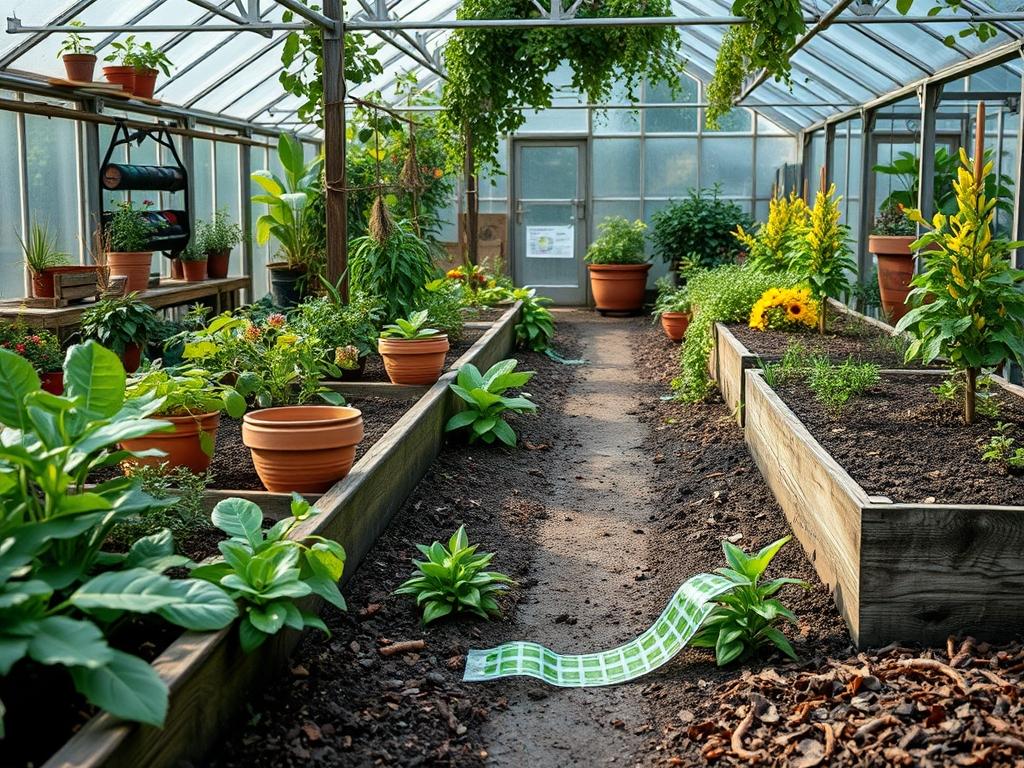
After the plants are in the ground, the layout of the Reflective Tape for Birds should follow. Professional results are achieved by cutting the tape into strips of 12 to 24 inches in length. These strips should be attached to T-Posts, Bamboo Stakes, or directly to the branches of the shrubs. The goal is to allow the tape to move freely in the breeze. The holographic surface creates a “flashing” effect that mimics the eyes of predators or sudden movements, which triggers a flight response in most avian species.
Edging is another critical component of the implementation. Use Heavy-Duty Aluminum Edging or Paver Restraints to create a clean line between the berry beds and the lawn. This prevents invasive grass from encroaching on the root systems. Finally, apply a layer of Organic Mulch to a depth of 3 inches. This mulch serves three purposes: it suppresses weeds, retains moisture, and provides a neutral visual base that makes the colors of the berries and the shimmer of the reflective tape pop.
Common Landscaping Failures
One of the most frequent failures in residential landscaping is improper drainage. When water pools around the base of a Berry Bush, it limits oxygen availability to the roots, leading to stunted growth or death. Another common mistake is root overcrowding. Gardeners often plant species too close together, failing to account for their mature spread. For instance, a Raspberry bush requires at least 3 feet of spacing to allow for air circulation and easy harvesting. Without this space, fungal diseases can quickly take hold in the dense foliage.
Soil compaction is another silent killer of garden productivity. High-traffic areas near berry patches often suffer from compressed soil, which prevents water and nutrients from reaching the root zone. Installing Flagstone Stepping Stones or Decomposed Granite Paths can mitigate this by directing foot traffic away from sensitive areas. Lastly, many homeowners fail to adjust their irrigation systems for the seasons. Over-watering in the autumn or under-watering during a summer heatwave can stress the plants, making them more vulnerable to pests and reducing the efficacy of deterrents like Reflective Tape for Birds.
Seasonal Maintenance
Maintenance is an ongoing commitment that changes with the calendar. In the Spring, focus on soil preparation and the application of balanced 10-10-10 Fertilizer. This is the time to inspect your Irrigation Lines for leaks and to refresh the Mulch layers. As the plants begin to bloom, monitor the arrival of migratory birds. This is the optimal window to deploy your Reflective Tape for Birds. Installing the tape too early can lead to birds becoming habituated to it, so wait until the first green berries appear.
During the Summer, the primary task is water management and harvesting. Ensure that the Drip System is delivering water directly to the root zone during the cool morning hours. Check the tape strips to ensure they have not become tangled or dull from dust. In the Autumn, once the harvest is complete, remove the reflective tape and store it for the next season. This “off-season” removal is crucial for preventing habituation. Prune any dead or diseased canes from your Raspberries or Blackberries to encourage new growth for the following year.
In Winter, the landscape enters a dormant phase. This is the time for structural pruning of larger shrubs and trees. Apply a thin layer of Compost over the frozen ground to provide a slow release of nutrients in the spring. Check any Retaining Walls or Hardscape Features for shifting caused by freeze-thaw cycles. By maintaining a disciplined seasonal schedule, you ensure that the landscape remains both beautiful and productive for years to come.
Professional Landscaping FAQ
How does reflective tape for birds actually work?
The tape uses a holographic surface to create intermittent light flashes and metallic sounds in the wind. This combination overwhelms avian senses and mimics the presence of predators, discouraging birds from landing near your berry crops or sensitive landscape features.
Where is the best place to hang the tape?
Attach strips to Stakes, Trellises, or high branches where they can catch the wind and sun. For maximum effectiveness, the tape should be placed slightly above the height of the ripening fruit and spaced every 5 to 10 feet.
Will birds eventually get used to the flashing tape?
Habituation can occur if tape is left out year-round. To prevent this, only deploy the Reflective Tape for Birds when fruit begins to ripen. Remove the material once the harvest is over to ensure it remains a novel deterrent next season.
Is reflective tape safe for the environment and animals?
Yes, it is a non-toxic, humane method of bird control. Unlike netting, which can entangle birds and other wildlife, or chemical repellents that may leach into the soil, reflective tape uses visual and auditory stimuli to safely redirect birds elsewhere.
Does the color or pattern of the tape matter?
Most professional-grade tapes feature a “cracked ice” or “diamond” holographic pattern. These patterns are highly effective because they reflect light at multiple angles simultaneously, ensuring that the deterrent is visible to birds regardless of their approach angle or the sun’s position.