
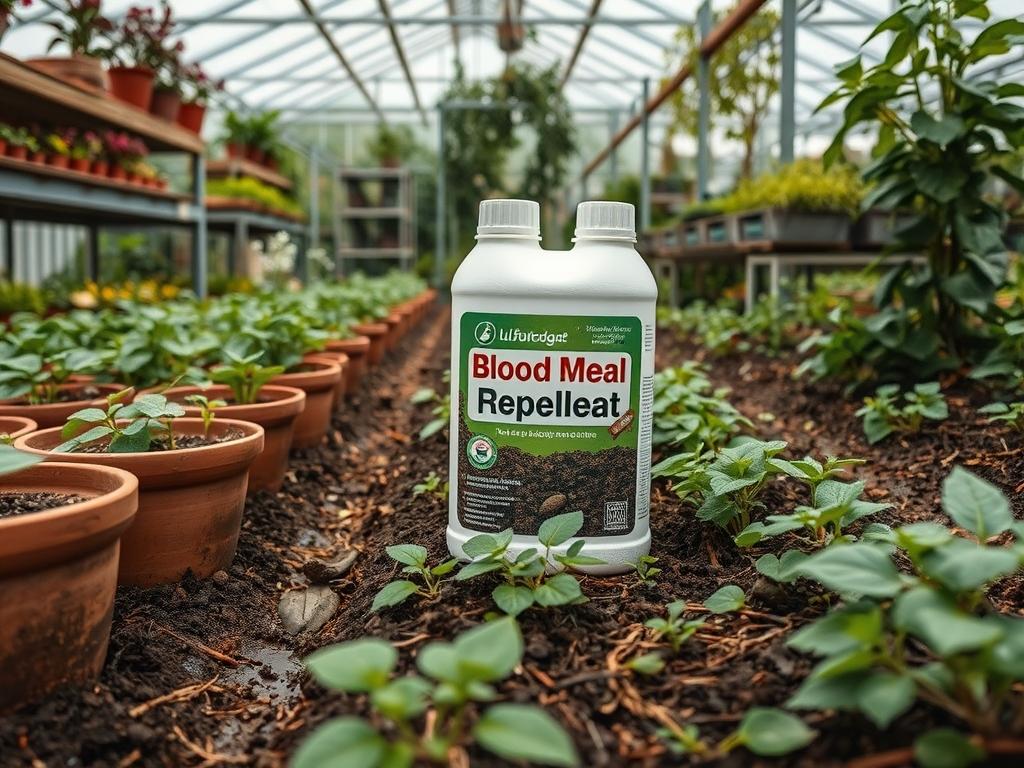
Maintaining a high-end landscape requires a delicate balance between aesthetic perfection and biological reality. One of the most persistent challenges for any landscape architect or outdoor consultant is the management of local wildlife, particularly rabbits. These small herbivores can destroy a carefully curated boxwood hedge or a bed of daylilies in a single night, compromising the curb appeal and financial investment of a property. Protecting the architectural integrity of a garden involves more than just selecting hardy species; it requires a strategy that integrates plant nutrition with effective wildlife management. Utilizing Blood Meal Pest Repellent offers a sophisticated, dual-purpose solution. This organic byproduct serves as a high-nitrogen fertilizer while simultaneously emitting an odor that signals danger to rabbits. By implementing this within a broader landscape design, we can create a psychological barrier that preserves the visual flow of the outdoor environment without the need for intrusive physical fencing.
When planning a professional grade landscape, we must consider the climate and the specific functionality of the outdoor space. In temperate regions where rabbits are most active, the goal is to create a resilient environment that thrives despite high browsing pressure. The use of Blood Meal Pest Repellent is most effective when it is part of a comprehensive strategy that includes proper grading, strategic plant placement, and advanced irrigation techniques. Landscape architects look at the site as a whole, ensuring that every element, from the retaining walls to the groundcover, contributes to a sense of order and permanence. A well-designed garden should feel effortless, yet every component is meticulously chosen to withstand the pressures of the local ecosystem.
Landscape Design Principles
Symmetry and visual balance are the hallmarks of a professional outdoor environment. When we design a garden, we utilize focal points to lead the eye toward specific architectural features or majestic specimen trees. Rabbits often disrupt this symmetry by targeting specific plants, creating unsightly gaps in the foliage. To counter this, we implement elevation layers. By using tiered planters or raised beds measuring at least 24 inches in height, we can physically limit access to the most vulnerable species. However, elevation alone is rarely sufficient. Integrating Blood Meal Pest Repellent into the transition zones between woodland edges and formal garden beds creates a scent-based boundary that protects the core of the design.
Irrigation planning is another critical principle. Over-watering can dilute the effectiveness of topically applied repellents. We prefer subsurface drip irrigation systems that deliver water directly to the root zone. This keeps the surface soil dry and helps the Blood Meal Pest Repellent remain potent for a longer duration. Furthermore, the layout of walkways should be designed to discourage rabbit nesting. Using crushed granite or pea gravel for paths creates a noisy surface that makes small mammals feel exposed to predators. Visual balance is maintained by repeating certain textures and colors, ensuring that even if one area needs extra protection, the overall aesthetic remains cohesive.
Plant and Material Selection
Selecting the right materials is the cornerstone of sustainable landscaping. While Blood Meal Pest Repellent provides nitrogen, it is essential to pair it with plants that have compatible soil and light requirements. The following table outlines silver-standard selections for a rabbit-resistant, professionally managed landscape.
| Plant Type | Sun Exposure | Soil Needs | Water Demand | Growth Speed | Maintenance Level |
| :— | :— | :— | :— | :— | :— |
| Boxwood | Full to Partial Sun | Well-drained | Moderate | Slow | Low |
| Purple Coneflower | Full Sun | Sandy/Loam | Low | Medium | Low |
| Hosta | Full Shade | Moist/Rich | High | Medium | Medium |
| Salvia | Full Sun | Well-drained | Low | Fast | Medium |
| Creeping Thyme | Full Sun | Poor Soil | Low | Medium | Low |
| Japanese Maple | Partial Shade | Slightly Acidic | Moderate | Slow | High |
| Lavender | Full Sun | Rocky/Alkaline | Very Low | Medium | Low |
Implementation Strategy
The implementation of a high-end garden layout begins with proper site preparation. First, assess the grading of the land. Accurate grading ensures that water moves away from the foundation of the home and toward designated drainage basins. For rabbit-prone areas, we start by installing heavy-duty steel edging to define the borders of the beds. This edging should sit at least 4 inches deep to discourage burrowing. Once the beds are shaped, any necessary hardscaping, such as retaining wall blocks or flagstone pavers, should be leveled and set on a compacted crushed stone base.
After the infrastructure is in place, soil enrichment begins. We apply a layer of organic compost followed by the strategic application of Blood Meal Pest Repellent. For a standard 100 square foot bed, we typically broadcast approximately 2 pounds of the meal. It is vital to rake it into the top 1 inch of the soil to prevent the powder from blowing away and to initiate the scent release. This is followed by a 3 inch layer of shredded cedar mulch. Cedar itself has natural repellent properties, which works in tandem with the nitrogenous blood meal. When planting perennials, ensure they are spaced according to their mature width to avoid overcrowding, which creates hiding spots for pests.
Common Landscaping Failures
One of the most frequent mistakes in residential landscaping is poor drainage planning. If water pools in the garden beds, the Blood Meal Pest Repellent can undergo rapid anaerobic decomposition, leading to an unpleasant ammonia odor rather than the subtle scent that deters rabbits. Furthermore, standing water can lead to root rot in expensive evergreen shrubs. Another failure involves the use of too much fertilizer. Because blood meal is highly concentrated, applying more than the recommended 1 cup per 20 square feet can burn the delicate roots of young plants.
Soil compaction is another silent killer of beautiful landscapes. In high-traffic areas, the soil becomes dense, preventing air and water from reaching the roots. This stress makes plants more susceptible to rabbit damage, as weakened specimens often release stress signals that attract herbivores. Finally, many homeowners fail to realize that irrigation inefficiencies can actually draw rabbits into the yard. Leaky hose bibs or sprinkler heads create easy water sources in an otherwise dry environment. Professional maintenance involves a weekly check of all irrigation valves to ensure the perimeter remains as unattractive as possible to wildlife.
Seasonal Maintenance
Landscape management is a year-round commitment. In the spring, the primary goal is to support “flush” growth. This is the time to re-apply Blood Meal Pest Repellent as rabbits are most active when new, tender shoots emerge. Clear away any debris from the winter and check the integrity of retaining walls for frost heave. Use a spade to redefine the edges of the garden beds, ensuring the borders remain crisp and professional.
Summer maintenance focuses on hydration and protection. During periods of extreme heat, the high nitrogen in blood meal can be too intense for some plants. We recommend shifting toward deep, infrequent watering at dawn. As the scent of the repellent fades with sun exposure and occasional rain, a light “top-dress” application may be necessary every 4 to 6 weeks. Ensure that mulch depths are maintained at approximately 3 inches to regulate soil temperature and suppress weeds.
Autumn is the season for structural adjustments. This is when we plant bulbs for the following spring. Since rabbits and squirrels are notorious for digging up tulip bulbs, mixing a small amount of Blood Meal Pest Repellent into the planting hole can serve as a powerful deterrent. Prune back any dead or diseased wood from deciduous trees using sharp bypass pruners to prevent fungal infections over the winter.
Winter maintenance is often overlooked but remains critical for the longevity of the landscape. In regions with snow, rabbits will often chew the bark or “girdle” young fruit trees when other food sources are scarce. Wrapping the base of these trees with hardware cloth or burlap up to a height of 3 feet is essential. While the effectiveness of scent-based repellents like blood meal decreases in freezing temperatures, the nitrogen it has provided throughout the year ensures the plants enter dormancy with robust health, ready for a vigorous return in the spring.
Professional Landscaping FAQ
How often should I re-apply Blood Meal Pest Repellent?
For maximum efficacy, re-apply every 4 to 6 weeks. You must also re-apply after heavy rain, as water leaches the nitrogen and dissipates the scent that deters rabbits. Consistency is the key to maintaining a successful psychological barrier.
Will blood meal harm my household pets?
While organic, blood meal can be attractive to dogs due to its scent. If ingested in large quantities, it can cause digestive upset. Always rake it into the soil and cover it with a thick layer of mulch to prevent digging.
Can I use blood meal on all types of plants?
Blood meal is excellent for nitrogen-loving plants like leafy greens or hydrangeas. However, avoid using it on legumes or plants that prefer low-nitrogen environments, as excessive nitrogen can inhibit flowering and lead to lush but weak leaf growth.
Does blood meal attract other pests like flies?
If left on the surface in humid conditions, it can attract flies. To prevent this, always incorporate the meal into the top 1 inch of soil and ensure the area has proper drainage to avoid foul odors from moisture trap.
How does blood meal compare to liquid rabbit repellents?
Liquid repellents often require more frequent application and can leave a visible residue on foliage. Blood Meal Pest Repellent works from the ground up, providing essential nutrients while offering a longer-lasting scent barrier that does not affect the plant’s appearance.