
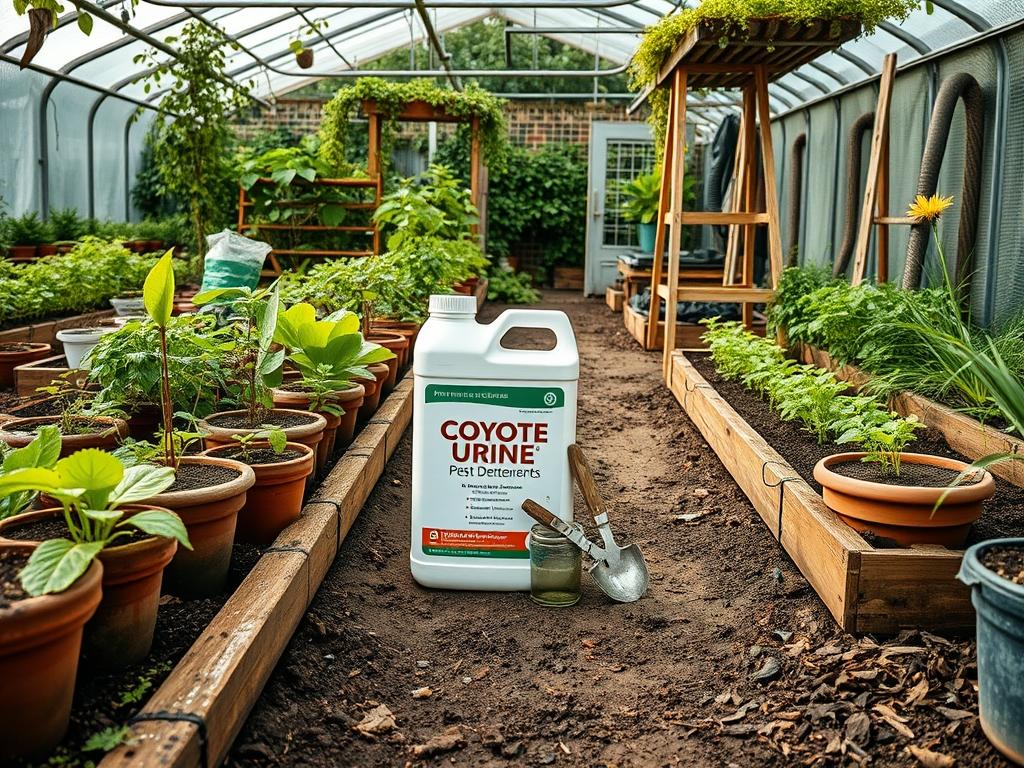
Maintaining a high-end landscape requires more than just aesthetic intuition; it demands a strategic defense against the environmental pressures that threaten to undo years of careful growth. A masterfully planned garden serves as an extension of the home, providing functional outdoor living space and significant curb appeal. However, the introduction of local wildlife like deer, rabbits, and groundhogs can quickly turn a pristine investment into a decimated patch of stems. Protecting these investments involves a multifaceted approach where traditional horticulture meets modern biological boundaries. The use of Coyote Urine Pest Deterrents has emerged as a professional grade solution for managing these interactions without resorting to unsightly physical barriers or harsh chemicals. It creates a psychological perimeter, signaling to prey animals that a predator is active in the area. This strategy preserves the design intent of the landscape while ensuring that expensive ornamental shrubs and perennials remain intact.
Successfully integrating these deterrents into a cohesive landscape plan requires an understanding of how scent and environment interact. Soil health, drainage patterns, and prevailing winds all play a role in how a deterrent performs. In climates where heavy rainfall is common, the application method must be more robust to prevent the solution from leaching into the groundwater or losing its potency. Conversely, in arid regions, the scent may require more frequent refreshing as the lack of moisture limits the volatile organic compounds from traveling through the air. By treating pest management as a core component of the initial design phase, a landscape architect ensures that the property remains functional and beautiful throughout the year.
Landscape Design Principles
Professional landscape design is built upon the pillars of symmetry, proportion, and focal points. When we curate a space, we categorize plants into elevation layers, starting with a groundcover and moving upward through perennials, ornamentals, and canopy trees. This layering creates a sense of depth and visual interest. However, these layers also create hiding spots for pests. To maintain visual balance, a designer must consider the sightlines from the primary residence. If a focal point, such as a Japanese Maple, is positioned at the end of a long walkway, its health is paramount to the entire composition. Protecting these specific high value plants with Coyote Urine Pest Deterrents ensures that the visual weight of the garden remains anchored where intended.
Irrigation planning is another critical design principle that overlaps with pest management. A poorly designed irrigation system can create oversaturation, which not only leads to root rot but also dilutes liquid deterrents applied to the soil. We often utilize drip irrigation to deliver water directly to the root zone, keeping the foliage dry. This technique preserves the longevity of scent-based deterrents applied to the perimeter foliage or scent tags. Furthermore, the placement of walkways and retaining walls should be used to funnel wildlife away from sensitive planting beds. By combining physical redirection with biological signals, the landscape architect creates a seamless defense system that does not detract from the garden’s elegance.
Plant and Material Selection
Selecting the right materials is the difference between a landscape that thrives and one that merely survives. We prioritize native plants because they are adapted to the specific soil profile and climate of the region. However, even natives are susceptible to browsing during lean winter months. The following table outlines standard selections for a balanced residential landscape and their typical maintenance requirements.
| Plant Type | Sun Exposure | Soil Needs | Water Demand | Growth Speed | Maintenance Level |
| :— | :— | :— | :— | :— | :— |
| Boxwood | Full to Partial | Well-drained | Low | Slow | Medium |
| Hostas | Full Shade | Loamy/Rich | High | Fast | Low |
| Arborvitae | Full Sun | Moist | Medium | Medium | Medium |
| Lavender | Full Sun | Sandy/Dry | Low | Medium | Low |
| Hydrangea | Partial Shade | Moist/Organic | High | Medium | High |
| Red Twig Dogwood| Full Sun | Wet/Clay | High | Fast | Medium |
When selecting mulch, we prefer shredded hardwood or cedar bark because of their ability to suppress weeds and retain moisture. These materials also act as a substrate for Coyote Urine Pest Deterrents. By applying the deterrent to a layer of mulch, the scent is released slowly over time, providing a longer duration of protection compared to application on bare soil. For hardscaping, we utilize natural stone or paver stones to create permanent borders that prevent the encroachment of both weeds and burrowing animals.
Implementation Strategy
The implementation of a professional grade garden begins with proper grading. We must ensure that the land slopes away from the foundation at a minimum of 2 percent to facilitate proper drainage. Once the grade is established, we mark the beds using marking paint or landscape stakes. The next phase involves soil amendment; adding compost and topsoil to achieve a nutrient dense base for the new plantings. During this phase, it is vital to install landscape fabric under gravel or mulch areas to prevent soil erosion and weed growth.
Once the physical structure is in place, we focus on the pest deterrent layout. Rather than applying Coyote Urine Pest Deterrents randomly, we identify the primary entry points where wildlife enters the property. We place scent distributors or granules every 8 feet along the property line to create a continuous barrier. For especially vulnerable plants, such as Fruit Trees or Roses, we provide an additional localized application. It is important to use a handheld sprayer for liquid applications or a broadcast spreader for granular forms to ensure even coverage. We also integrate edging made of steel or heavy-duty plastic to provide a clean line between the turf and the planting beds, which further discourages small mammals from crossing into the protected zones.
Common Landscaping Failures
One of the most frequent failures in residential landscaping is improper drainage. When water pools in the root zone, it deprives the plant of oxygen, leading to root rot and general declination. This excess moisture also neutralizes scent-based deterrents, rendering them ineffective. Another common mistake is root overcrowding. When trees and shrubs are planted too close together, they compete for the same nutrients and water, and the lack of airflow promotes fungal diseases. Professionals recommend leaving at least 3 feet of space between the centers of medium sized shrubs to allow for mature growth.
Soil compaction is another silent killer of healthy landscapes. This often occurs during the construction phase when heavy machinery is driven over the planting zones. Compacted soil prevents water infiltration and makes it difficult for roots to establish themselves. Additionally, many homeowners fail to account for irrigation inefficiencies. Over-watering is just as damaging as under-watering; it creates a shallow root system that produces plants that are less resilient to drought and pest pressure. Finally, the inconsistent application of Coyote Urine Pest Deterrents often leads to failure. If the barrier is not maintained, animals will quickly learn that the threat is not persistent and will return to feed.
Seasonal Maintenance
Landscape management is a year-round commitment that changes with the weather. In the spring, the focus is on renewal. This involves pruning dead wood, applying a fresh 2 inch layer of mulch, and restarting the fertilization cycle. This is also the most critical time for applying Coyote Urine Pest Deterrents, as young, tender shoots are highly attractive to hungry wildlife emerging from winter. Regular reapplication during the spring rainy season is necessary to maintain the integrity of the scent wall.
During the summer, the priority shifts to hydration and heat management. We monitor the irrigation system to ensure all zones are functioning and adjust timers for the heat. In the autumn, we prepare the garden for dormancy by clearing debris and planting bulbs for the following year. This is a primary time for foraging animals to store energy, so bolstering the predator scent barrier is essential. In the winter, we focus on protection from the elements. We might use burlap wraps for sensitive evergreens and continue to apply deterrents to the perimeter, as snow and ice can force animals to seek food closer to the home than they normally would.
Professional Landscaping FAQ
How often should I apply coyote urine deterrents?
For maximum efficacy, reapply the deterrent every 30 days. However, after periods of heavy rain or significant snowfall, a fresh application is necessary to restore the scent barrier and maintain the psychological deterrent for local wildlife.
Will these deterrents harm my domestic pets?
No, professional grade deterrents are generally safe for pets and children when used as directed. Your dogs or cats may show interest in the scent because it is a natural pheromone, but it poses no biological threat to them.
Can I apply deterrents directly to edible garden plants?
It is best to apply the deterrent to the perimeter of the vegetable garden or on the soil around the plants. Avoid direct application to the edible portions of fruits or vegetables to maintain the best flavor and cleanliness.
Does the scent of coyote urine bother humans?
When applied outdoors in open air, the scent dissipates quickly for the human nose while remaining potent for animals with highly sensitive olfactory systems. You likely will not notice the smell shortly after the initial application.
How do I prevent the liquid from washing away?
Use scent tags or distributor tubes which protect the liquid from direct rain. If using granules, they are designed to break down slowly, but a fresh layer after a storm ensures the perimeter remains active and effective.