
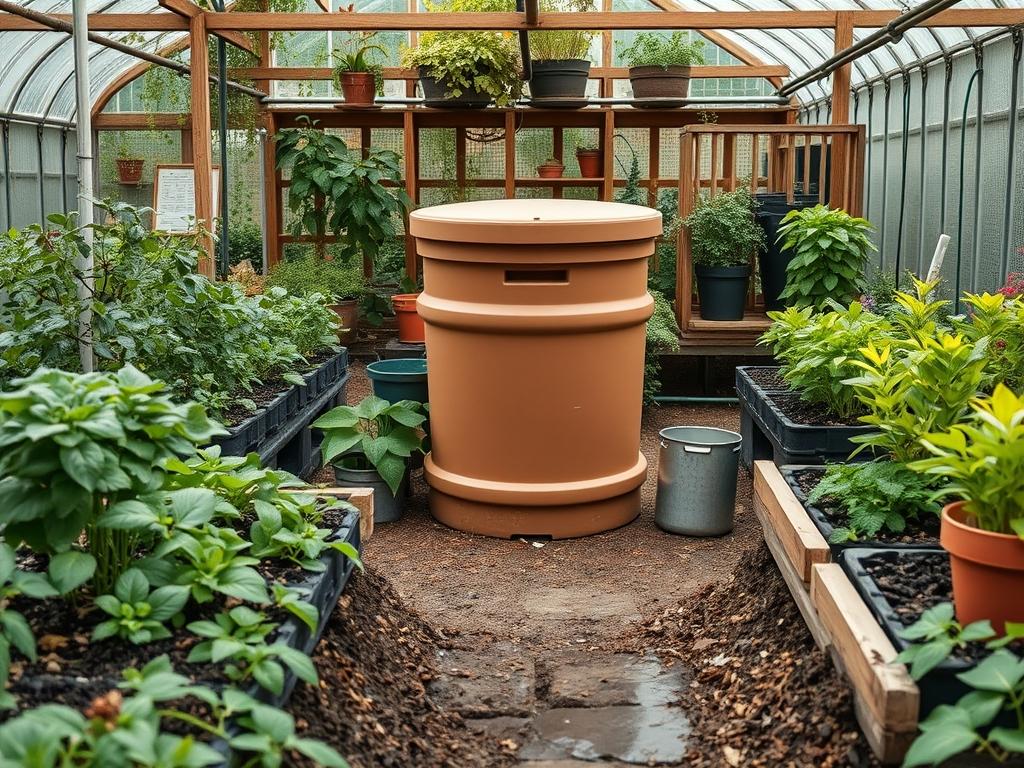
The challenge of integrating a functional organic waste system into a high-end luxury landscape often centers on the tension between utility and aesthetics. While many homeowners value the ecological benefits of nutrient cycling, the fear of attracting rodents, raccoons, or neighborhood pets often leads to the sequestration of compost systems in neglected corners of the property. For a landscape architect, the goal is to transform this utility into a seamless component of the outdoor environment. Successful compost bin pest proofing requires a multi-layered approach that addresses site selection, physical barriers, and biological management. A poorly designed system is more than just an eyesore; it can become a liability that undermines the integrity of the entire garden ecosystem. By applying rigorous design principles to the composting zone, we can ensure that these systems remain productive, odorless, and entirely inaccessible to unwanted visitors.
Site selection is first and foremost in the hierarchy of pest prevention. We typically look for sites that offer a balance of accessibility and separation from the primary outdoor living areas. The foundation must be stable and well-drained to prevent the buildup of leachate, which is the nutrient-rich liquid that can seep from the pile. If this liquid pools, it becomes a beacon for pests via scent. Ideally, the compost station should be situated on a firm base of crushed stone or a concrete pad, rather than directly on soft soil where burrowing animals can gain easy entry from below. We treat the compost area with the same level of architectural scrutiny as we would a patio or a pergola, ensuring that its presence does not detract from the curb appeal of the home.
Landscape Design Principles
When we approach the layout of a compost zone, we utilize symmetry and screening to create a sense of order. Integrating the bin into a larger service courtyard often works best. We might use a low retaining wall built from modular concrete blocks or natural fieldstone to define the space and provide a structural barrier. Focal points should remain on the ornamental aspects of the garden, while the compost system is shielded by evergreen hedges or custom-built cedar enclosures. This creates a visual buffer that ensures the bin does not disrupt the flow of the landscape.
Elevation is another critical factor. We often recommend elevating the compost bin at least 6 inches off the ground using a steel frame or a masonry plinth. This eliminates the dark, damp voids where rodents prefer to nest. By maintaining clear lines of sight under the structure, you remove the “hiding” factor that encourages pest activity. Furthermore, irrigation planning must account for the compost area. It is vital that overhead sprinklers do not over-saturate the pile, as excessive moisture leads to anaerobic conditions. Instead, we plan for a dedicated drip irrigation line nearby for easy cleaning of the site without flooding the bin itself. Walkways leading to the bin should be composed of permeable pavers or compacted gravel to ensure the area remains clean and easy to monitor year-round.
Plant and Material Selection
The materials used in the construction of the bin are just as important as the plants surrounding it. We prioritize durability and exclusion. Western Red Cedar is a top choice for its natural rot resistance, but it must be lined with hardware cloth to be truly effective. The mesh size should be no larger than 1/4 inch to prevent mice or young rats from squeezing through.
| Plant Type | Sun Exposure | Soil Needs | Water Demand | Growth Speed | Maintenance Level |
| :— | :— | :— | :— | :— | :— |
| English Lavender | Full Sun | Sandy/Gravely | Low | Moderate | Low |
| Peppermint | Partial Shade | Loamy/Moist | High | Fast | Moderate |
| Boxwood Hedge | Full to Part | Well-Drained | Moderate | Slow | Low |
| Lemongrass | Full Sun | Rich/Moist | Moderate | Fast | Moderate |
| Rosemary | Full Sun | Well-Drained | Low | Moderate | Low |
| Sweet Woodruff | Shade | Moist/Rich | Moderate | Moderate | Low |
Using aromatic plants like Rosemary and Lavender around the perimeter can help mask the scent of breaking down organic matter. These species act as a secondary layer of compost bin pest proofing by creating a scent barrier that is unappealing to many small mammals.
Implementation Strategy
Planning the layout begins with professional grading to ensure water moves away from the bin and toward a designated French drain or bioswale. Once the grade is established, we install a foundational layer of 3/4 inch clean stone at a depth of 4 inches. This provides excellent drainage and a difficult environment for burrowers. The bin itself should be anchored using heavy-duty galvanized lag bolts into the foundation or a structural frame.
For the enclosure, we recommend a three-bin system for rotating material. Each bin should have a tight-fitting lid with a locking hasp to prevent raccoons from lifting the top. If using wood, reinforce all joints with stainless steel brackets. The interior should be lined with 20-gauge steel mesh on all sides, including the bottom. When adding material, the “brown” to “green” ratio is the most important biological control. A thick layer of arborist wood chips or shredded autumn leaves should always cover fresh food scraps to neutralize odors. We suggest a minimum of 3 inches of carbon-rich mulch on top of any new green waste additions.
Common Landscaping Failures
The most frequent error we see in the field is improper spacing. Bins are often pushed directly against a wooden fence or a house siding, creating a protected “super-highway” for pests to move unseen. We require at least 12 inches of clearance around all sides of the bin to allow for airflow and visibility. Another common failure is the use of plastic bins without a reinforced base. Rodents can chew through standard high-density polyethylene in a single night if they detect a food source.
Soil compaction around the bin can also lead to drainage failures. If the area becomes a mud pit, it is impossible to maintain proper hygiene. This is why we insist on a hardscaped perimeter. Finally, many homeowners neglect the “turning” process. A stagnant pile develops cool pockets where pests can safely nest and reproduce. Frequent aeration using a compost turner tool or a garden fork keeps the internal temperature high, which is a natural deterrent for any animal seeking shelter.
Seasonal Maintenance
Landscape management shifts with the seasons, and the compost area is no exception. In the spring, we focus on clearing any debris that accumulated over winter. Inspect the hardware cloth for any signs of wear or rust and replace sections as needed. This is also the time to refresh the mulch around the base of the bin.
During the summer, the primary concern is moisture management. If the pile dries out too much, the decomposition slows; if it is too wet, it smells. We use a moisture meter to keep the pile at the consistency of a wrung-out sponge. In autumn, the influx of fallen leaves provides an excellent opportunity to stock up on “brown” materials. We recommend storing these in sealed galvanized steel cans next to the bin. Winter is the most challenging time for compost bin pest proofing. As food becomes scarce, the warmth of the compost pile becomes highly attractive. We advise against adding high-protein kitchen scraps like dairy or fat during the coldest months, as these are the primary drivers of pest interest when the biology of the pile is naturally slower due to the cold.
Professional Landscaping FAQ
What is the best material for a pest-proof bin?
We recommend rot-resistant cedar or recycled plastic lumber reinforced with 1/4 inch galvanized hardware cloth. This combination provides structural integrity and a physical barrier that rodents cannot chew through or bypass easily.
How do I stop odors from attracting pests?
Maintain a strict ratio of carbon to nitrogen. Always cover green food scraps with at least 3 to 4 inches of shredded leaves, straw, or wood shavings. Proper aeration prevents the anaerobic conditions that create foul smells.
Can I put a compost bin on a wooden deck?
It is not recommended. Moisture and leachate can damage the decking over time, and the space beneath the deck provides an ideal habitat for pests. Place the bin on a gravel pad or paving stones instead.
What plants naturally deter rodents from the area?
Strongly scented herbs like Peppermint, Sage, and Thyme are excellent choices. Planting a dense border of English Lavender or Marigolds around the compost zone can help minimize pest interest through natural aromatic oils.
How deep should the foundation be for a bin?
Ideally, a 4 to 6 inch base of compacted gravel or crushed stone is sufficient. If you are in an area with heavy burrowing pressure, extending a steel mesh apron 12 inches underground around the perimeter is advised.